How to Catch Steelhead
Best places, best times, and expert guides for steelhead fishing.
Featured Steelhead Guides
Expert captains ready to take you on your next Steelhead adventure.
Aleutian Rivers Angling
Livingston, Montana
Alaska Fishing the Hoodoo River for King Salmon, Silver Salmon, and Steelhead
Margie J Sport Fishing Charters
Muskegon, Michigan
Muskegon Charter Boats - Muskegon sport fishing charter service for Salmon Coho Steelhead Brown Trout Lake Trout. Only charter boat to fish Muskegon for over 30 years. Family run with 3 generation catching fish for you. Located where the Muskegon to Milwaukee Lake Express Ferry is docked. Let our family take you sport fishing from the Salmon fishing port of Muskegon, Michigan with Margie J Sport Fishing Charters.
Steelhead Nation Outfitters River And Lake Michigan Charters
Wellston, Michigan
We FISH! As a Michigan-based business, we love to share our passion of the outdoors and our profound, deep love for the sport of fishing, especially Steelhead Fishing. 'Chromers' as they call them. If you are anything like us, this passion burns a joyous mark on your soul - for all of your life! We pride ourselves
Cast Away Guide Service
Baldwin, Michigan
Pere Marquette River fishing guide services for salmon, steelhead & trout, located in Baldwin, Mi. Experienced fly fishing guide for the PM.
Plan a Steelhead Fishing Trip
Find the best times and places to catch Steelhead, and get matched with experienced guides.
Best Time to Catch Steelhead
Peak months for Steelhead fishing across the US.
Best Places to Catch Steelhead
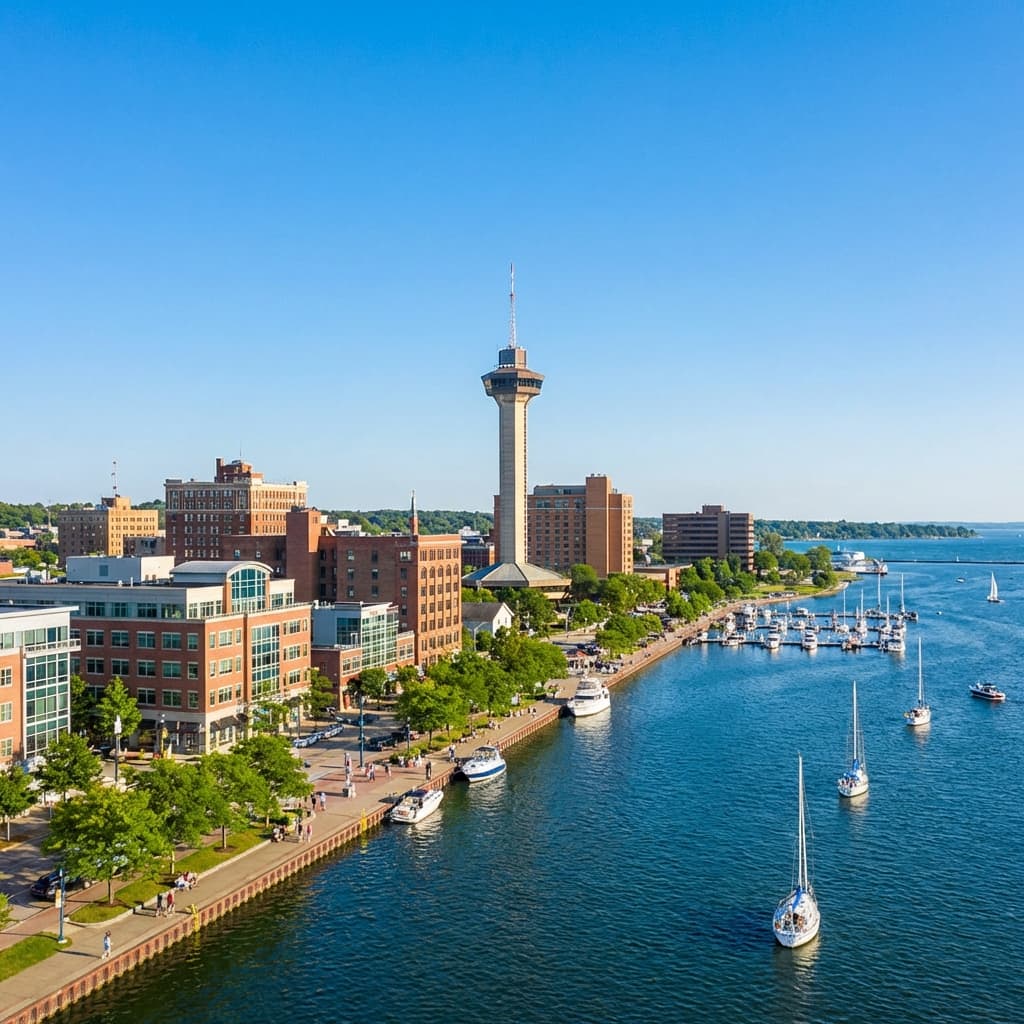
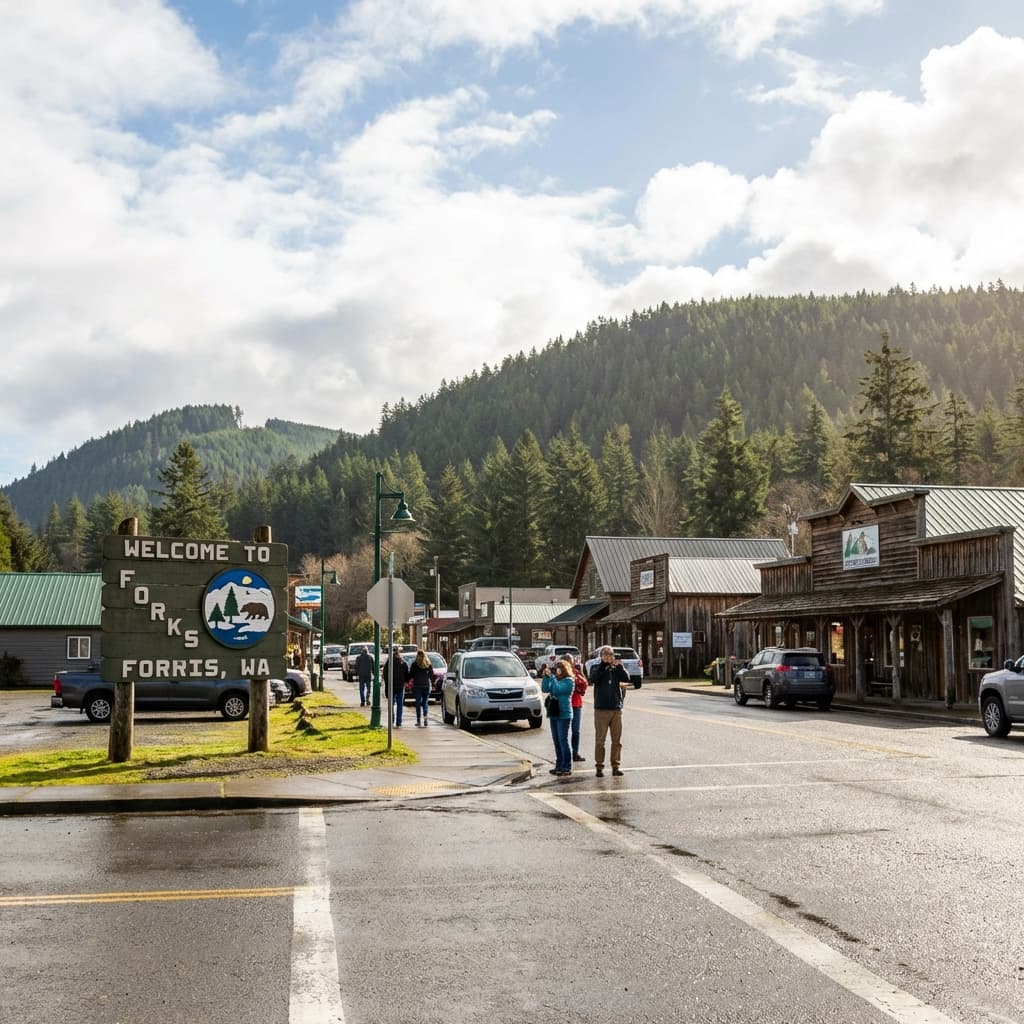
Top 6 cities ranked by guide availability and species data quality.
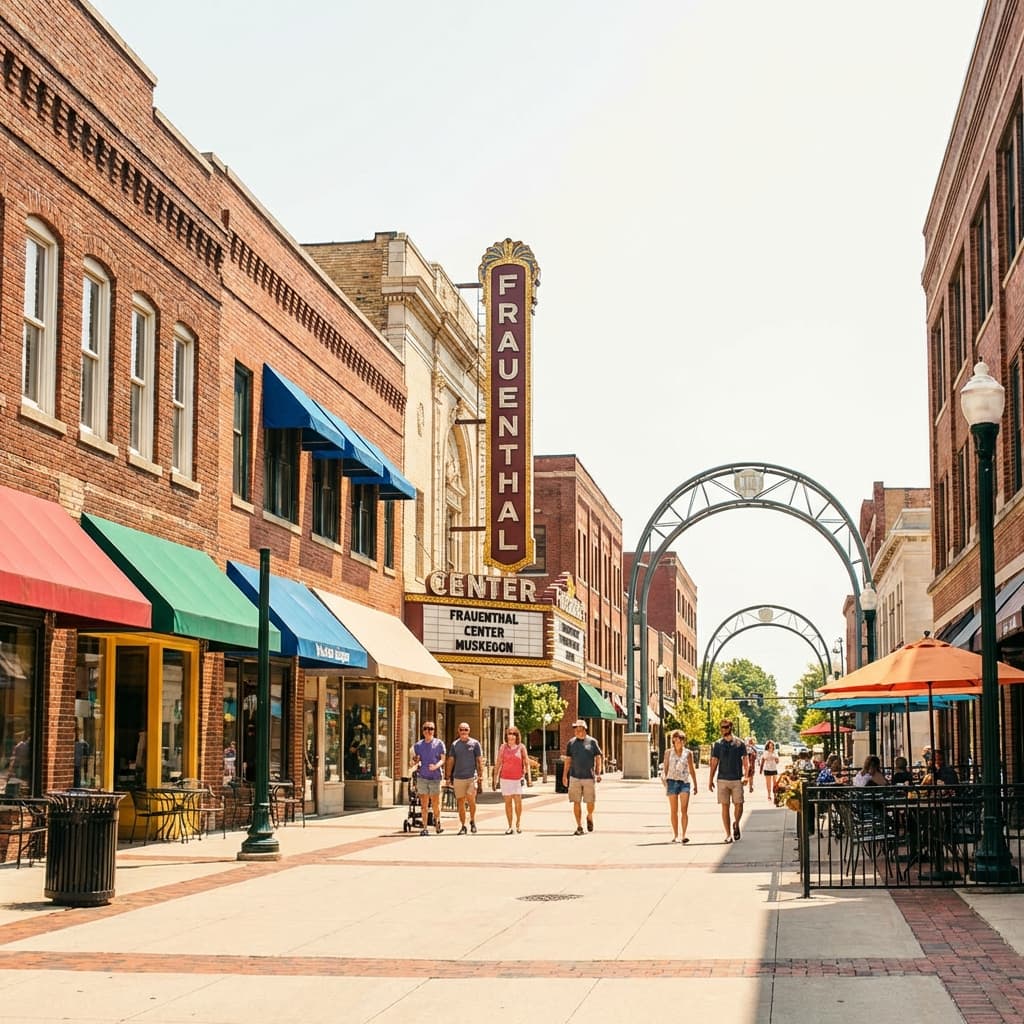
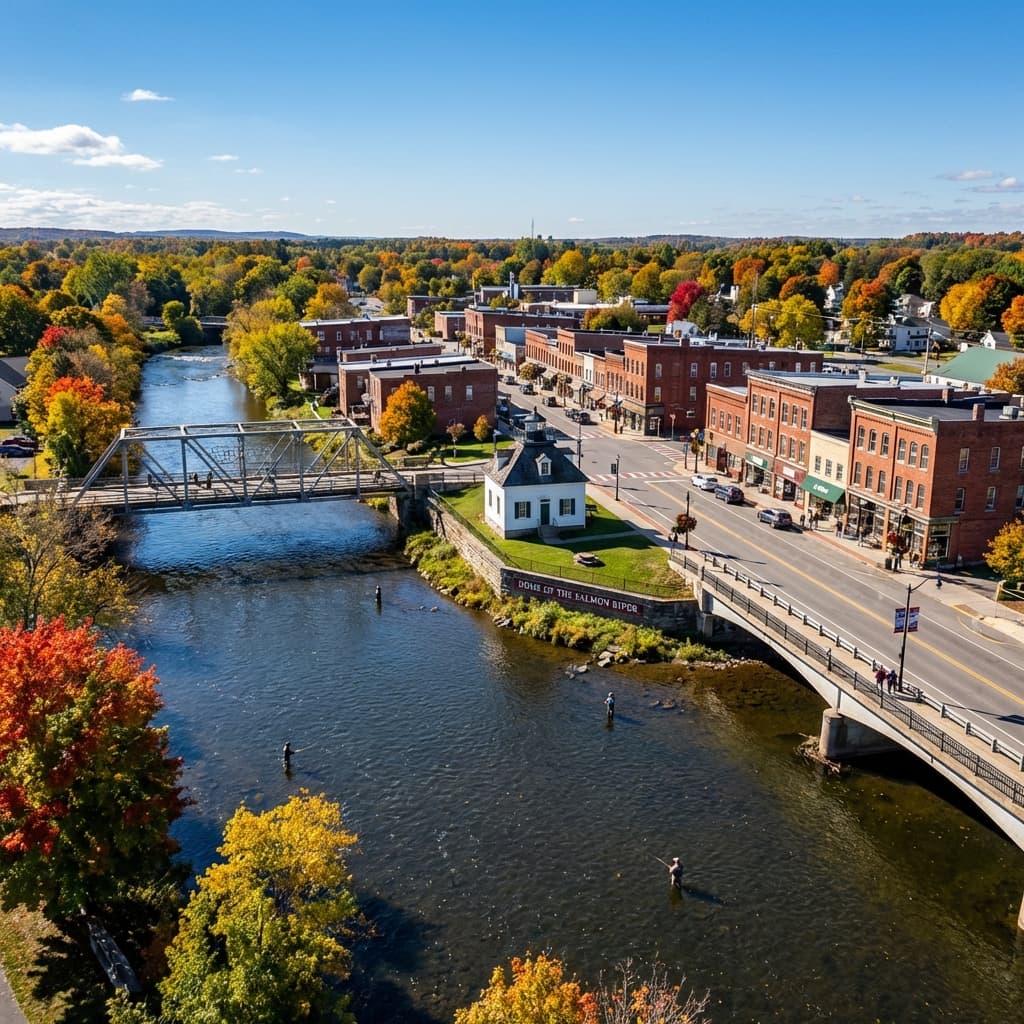

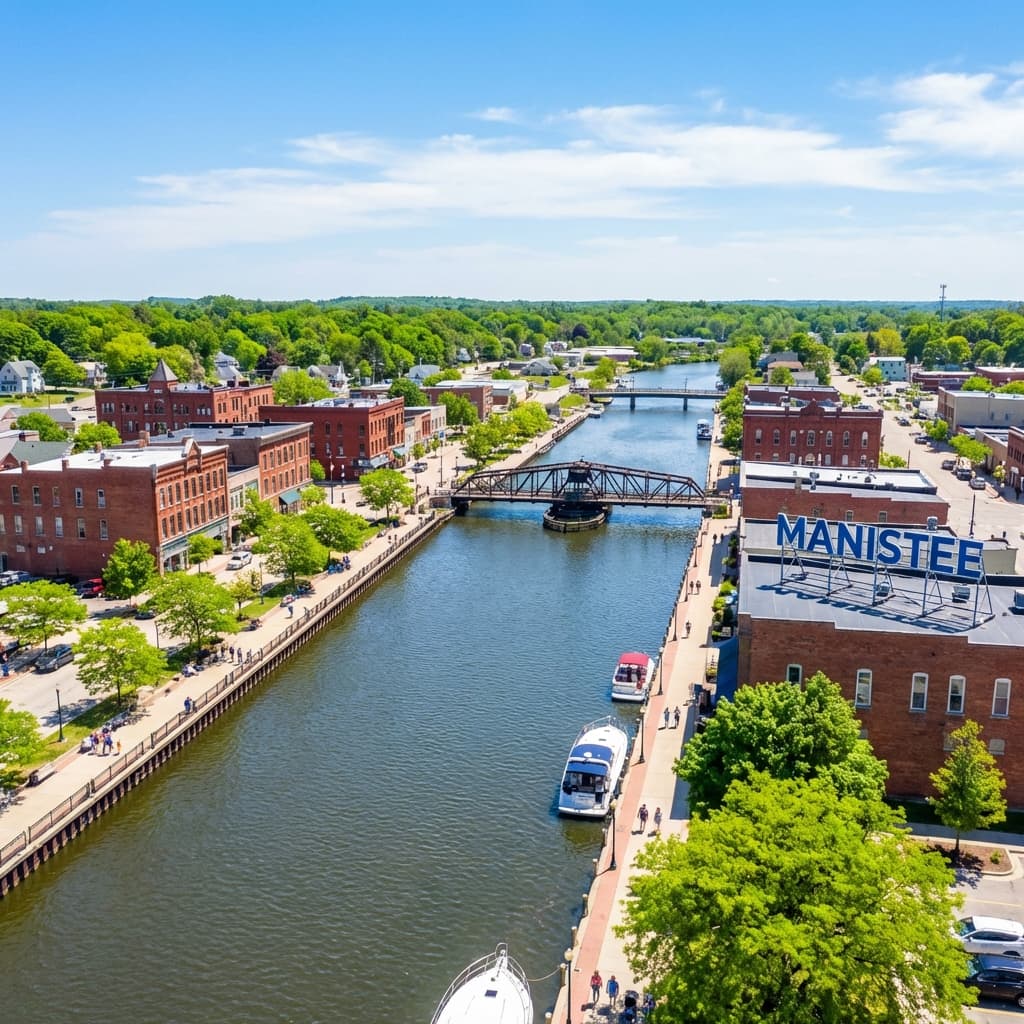
States Where Steelhead Are Found
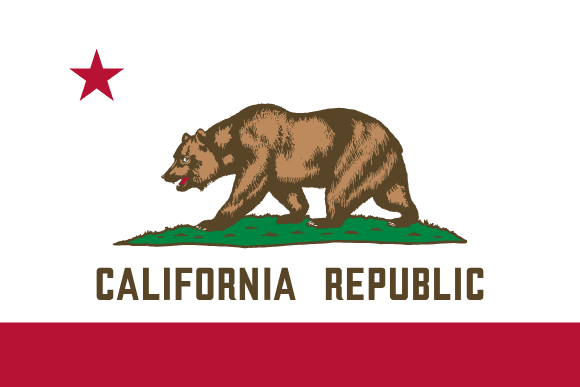
Top Locations for Steelhead
Seasonal Activity Chart
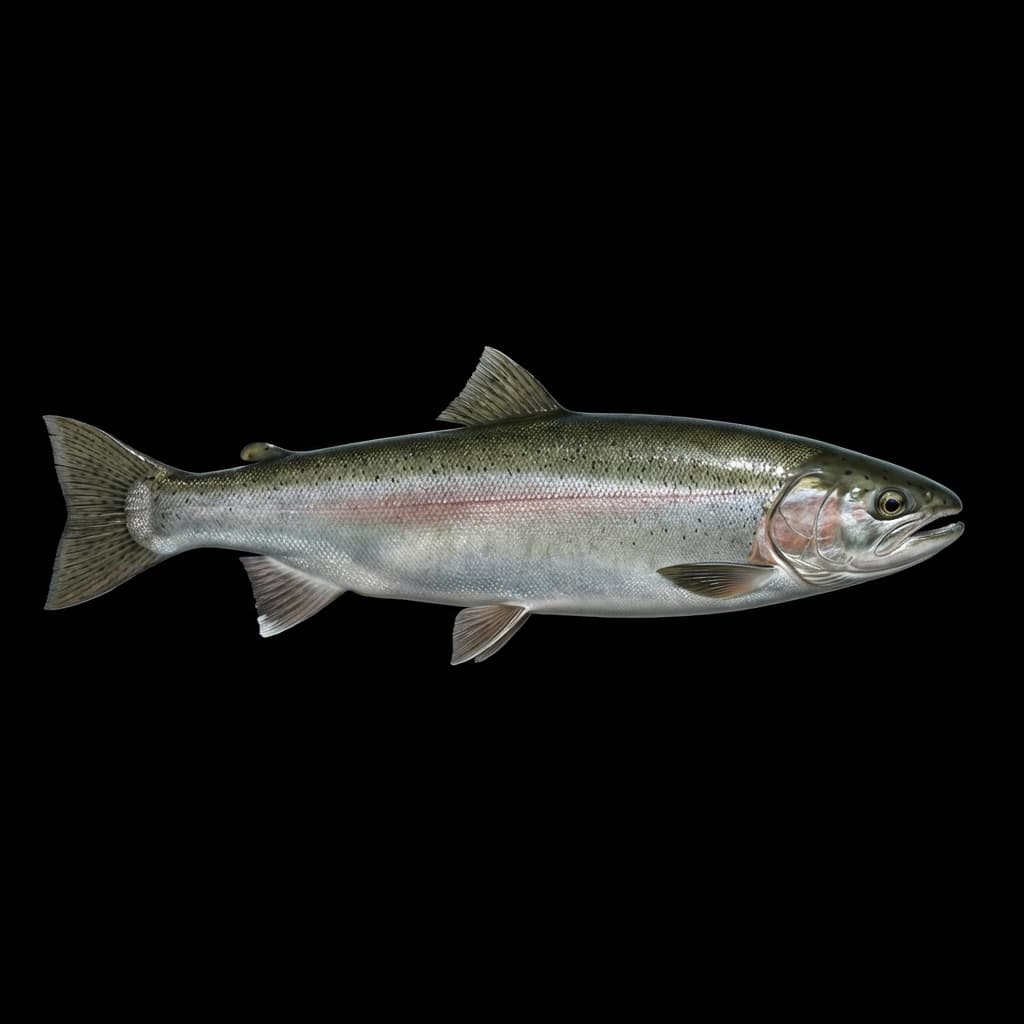
Steelhead
Species steelhead
Steelhead, the anadromous form of rainbow trout, are a prized gamefish that draws anglers from across the globe. These hard-fighting fish migrate from the ocean to freshwater rivers to spawn, providing a thrilling challenge and a connection to nature. Primarily found in the Pacific Northwest, including Oregon, Washington, and California, as well as the Great Lakes region in states like Michigan and Pennsylvania, Steelhead offer diverse fishing opportunities in stunning landscapes. Their impressive size, acrobatic leaps, and unpredictable nature make them a true trophy for any angler.
Effective Steelhead fishing techniques vary depending on the river conditions and the time of year. Drift fishing with roe or yarn is a classic method, allowing anglers to present their bait naturally in the current. Float fishing with a bobber and jig is another popular technique, particularly in slower-moving water. Fly fishing with nymphs or streamers is also highly effective, especially during the spring and fall runs. When selecting tackle, a medium-heavy spinning rod or a 7-9 weight fly rod is recommended. Use a quality reel with a smooth drag system and spool it with 10-15 lb test line or backing. Leaders should be fluorocarbon for stealth and abrasion resistance. In the Great Lakes tributaries, casting spoons and spinners can also produce.
Steelhead runs typically occur in the fall, winter, and spring, with specific timing varying depending on the river system. Fall runs often consist of larger, more aggressive fish, while winter runs can be more challenging due to cold water conditions. Spring runs are characterized by spawning activity and increased angler pressure. It's essential to research the specific timing of the runs in your target river and adjust your tactics accordingly. Water conditions play a crucial role in Steelhead fishing. Clear water requires a stealthier approach, while slightly stained water can allow for more aggressive presentations. Pay attention to water levels, as rising or falling water can significantly impact fish behavior.
For beginners, start by focusing on areas with obvious holding water, such as deep pools, riffles, and runs. Learn to read the water and identify where Steelhead are likely to be holding. Practice your casting technique to ensure accurate and consistent presentations. Don't be afraid to experiment with different baits and lures until you find what the fish are responding to. Hire a local guide for your first few trips to gain valuable insights into the local fishery and learn effective techniques. Remember to practice catch and release to help conserve this valuable resource.
How to Catch Steelhead
Frequently Asked Questions
When is the best time to catch Steelhead?
Across the US, the best months for Steelhead are generally June, July, August, September, though timing shifts by state.
Where can you catch Steelhead in the US?
Steelhead is found in 8 states, including California, Idaho, Michigan, New York, Ohio, Oregon. Pick a state to see local guides and regulations.
Is Steelhead a freshwater or saltwater fish?
Steelhead is a various species.