How to Catch Spanish Mackerel
Best places, best times, and expert guides for spanish mackerel fishing.
Featured Spanish Mackerel Guides
Expert captains ready to take you on your next Spanish Mackerel adventure.
Nauti Girl Sportfishing
Palm Bay, FL
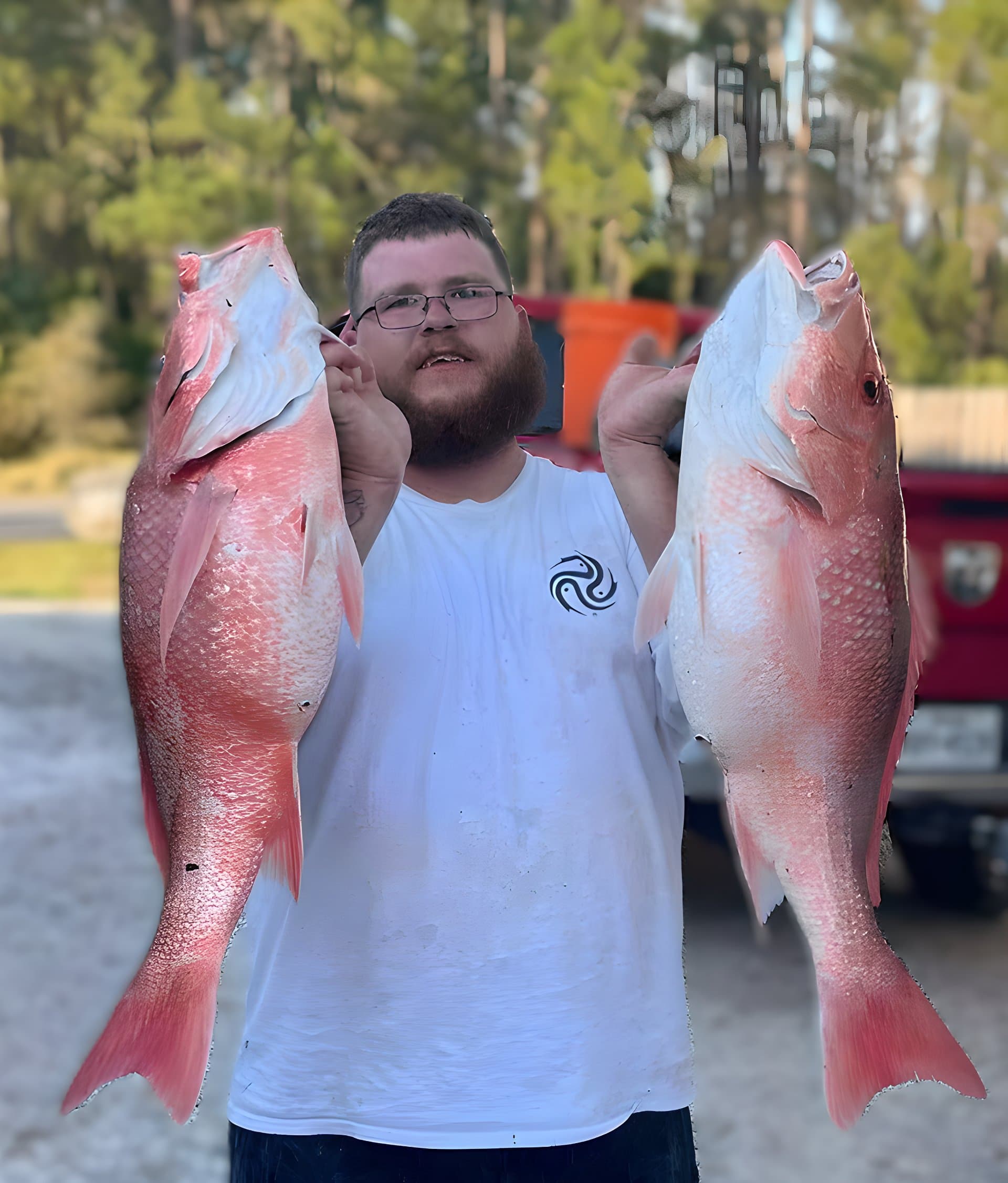
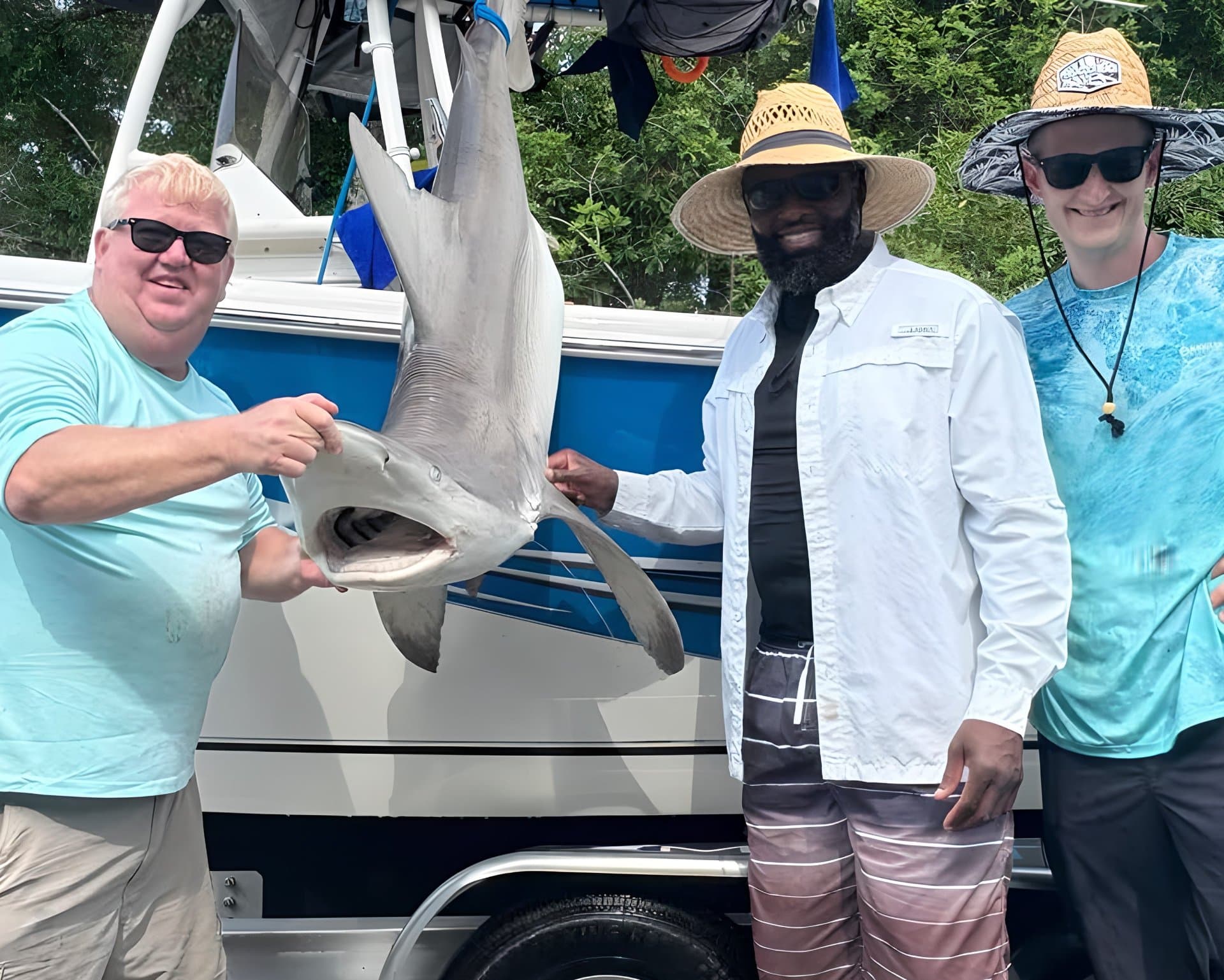
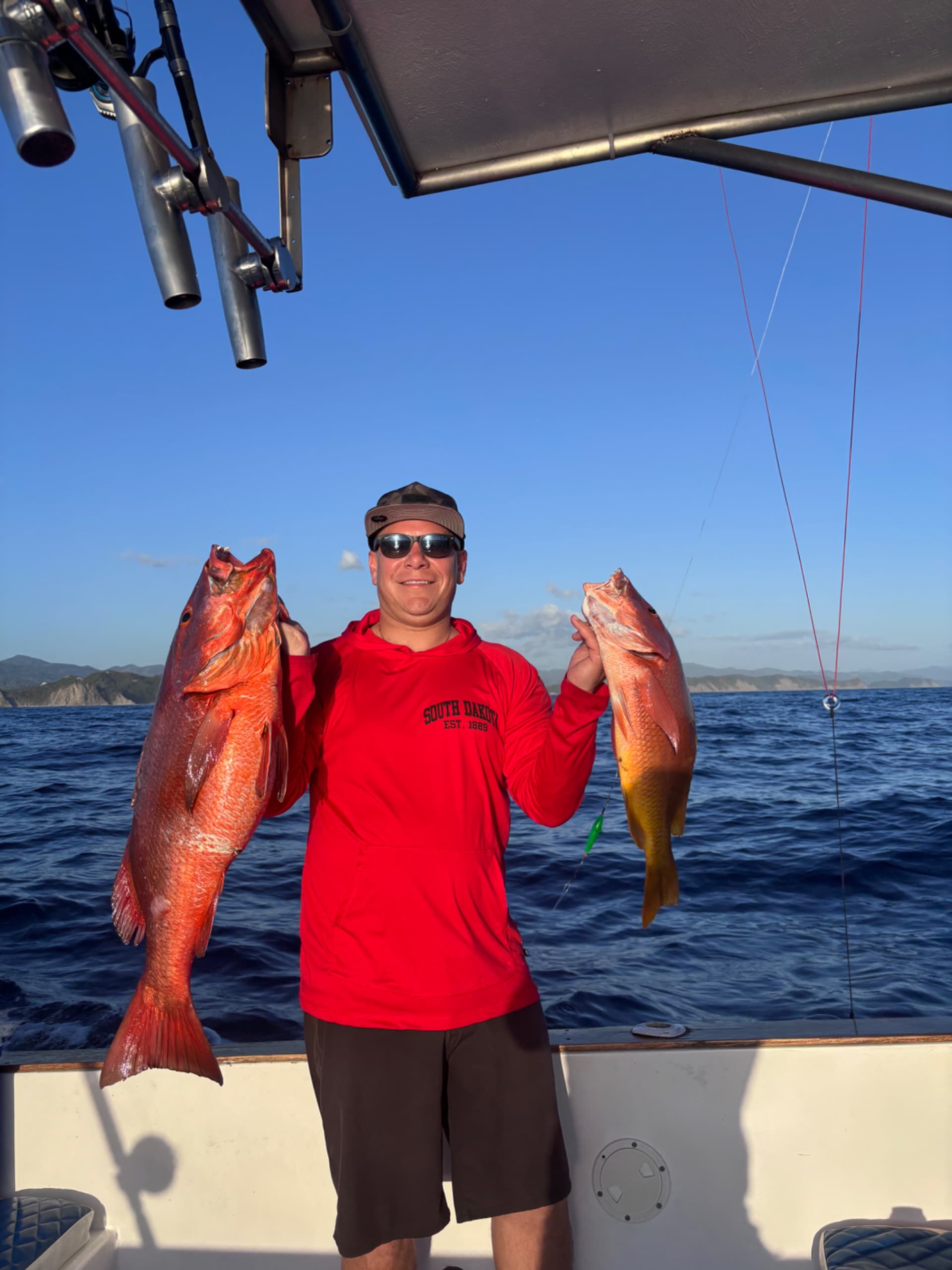
Captain Scott has been fishing Sebastian Inlet and the Space & treasure Coast since he moved here in 2002. But this is how his story started out, he saw the movie "Jaws" in June 1975 and found his calling, He started fishing along the Carolina coast and Gulf Stream at the age of 13. He fished around the world for 12 years in the US Navy, where he earned his 100 ton USCG Masters License. In 1993 in Port Aransas, Texas he was mentored by Captain Reese Green of Bill Buster's Sportfishing and he later went on to win some of the biggest fishing tournaments in the world. Island Mooring Pro Billfish Tournament 1993 and 1994 1997 Watermelon Classic Billfish Tournament 1997 Poco Bueno Blue Marlin Classic Texas Invitational Fishing Tournament 1995 Texas Women’s Anglers Tournament 1998 & 1999 Sharkey’s Pro Big Shark Tournament 1997-2000 Port Aransas Boatman “Deep Sea Round Up” 1997, 1999 and 2000 2007 Orange Beach Pro Billfish Tournament 2008 North Carolina Wahoo Shoot-Out He started Pure Pleasure Fishing in 1995 and ran it until 2003, when he moved to Melbourne, Florida and honed his skills on fishing Florida’s East Coast. Captain Scott is one of the world's top big shark fishing captains, having caught huge great whites, tiger sharks, mako sharks, bull sharks, hammerheads, blacktips, spinners and many more species. Captain Scott has caught 8 different species of billfish around the world, loves trolling and tuna fishing, bottom fishing, jigging and deep dropping. Captain Scott has caught 4 grander fish in his life (black marlin, mako shark, tiger shark and a great white). He has over a thousand + fish greater than 100 pounds boated under his skillful watch from wahoo, to blue and yellowfin tuna, thousands of sharks and many a blue marlin. Captain Scott is just missing a spearfish for his bucket list. Scott is a power production electrical engineer University of Texasand proud Long Horn. He works US Government civil service for the USAF with a TS-SCI Clearance and is retiring soon to pursue his love of fishing one last time. We are a veteran-owned company and offer Veteran and Military discounts
Palmetto Fishing Charters
Murrells Inlet, SC
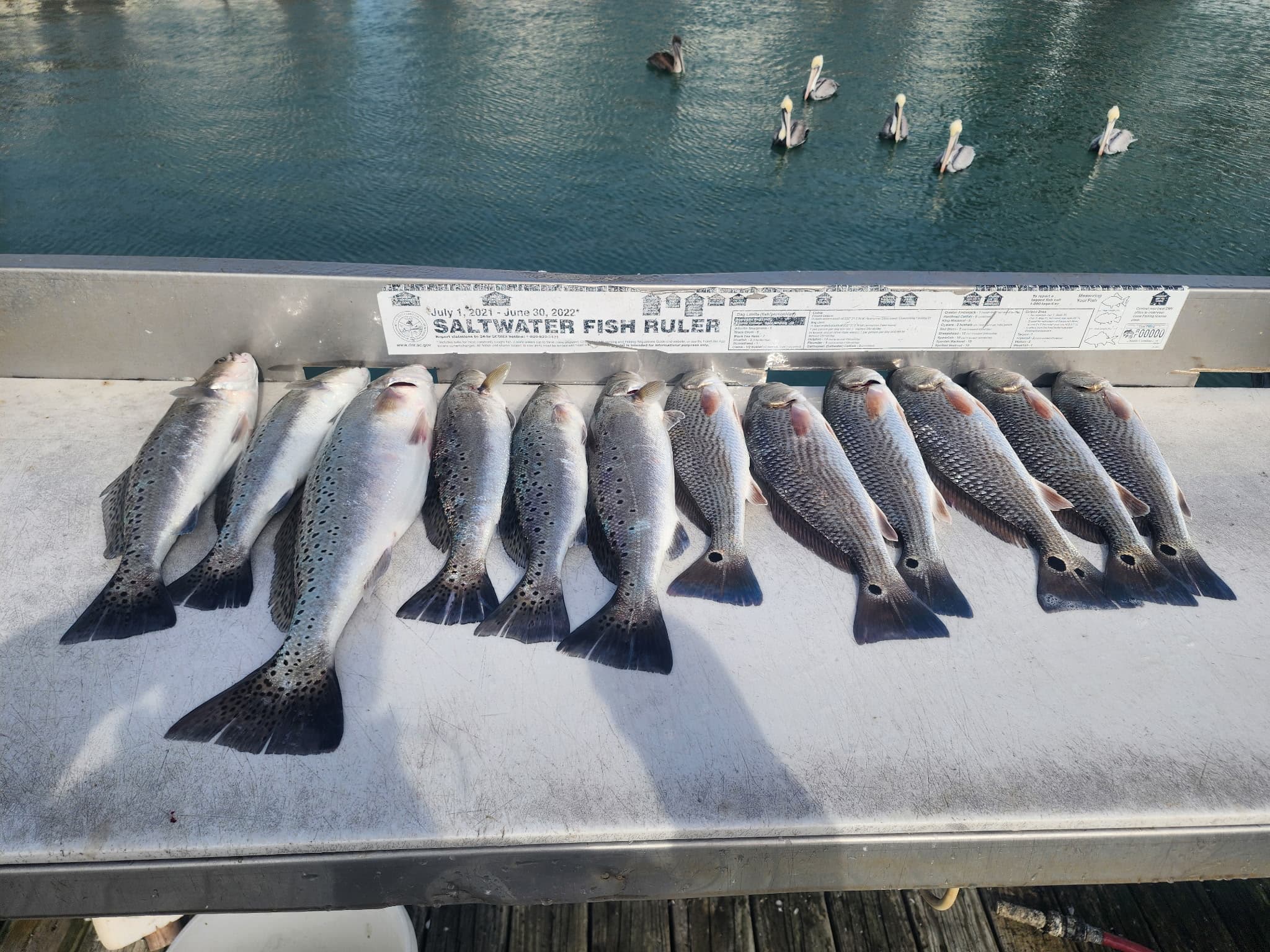
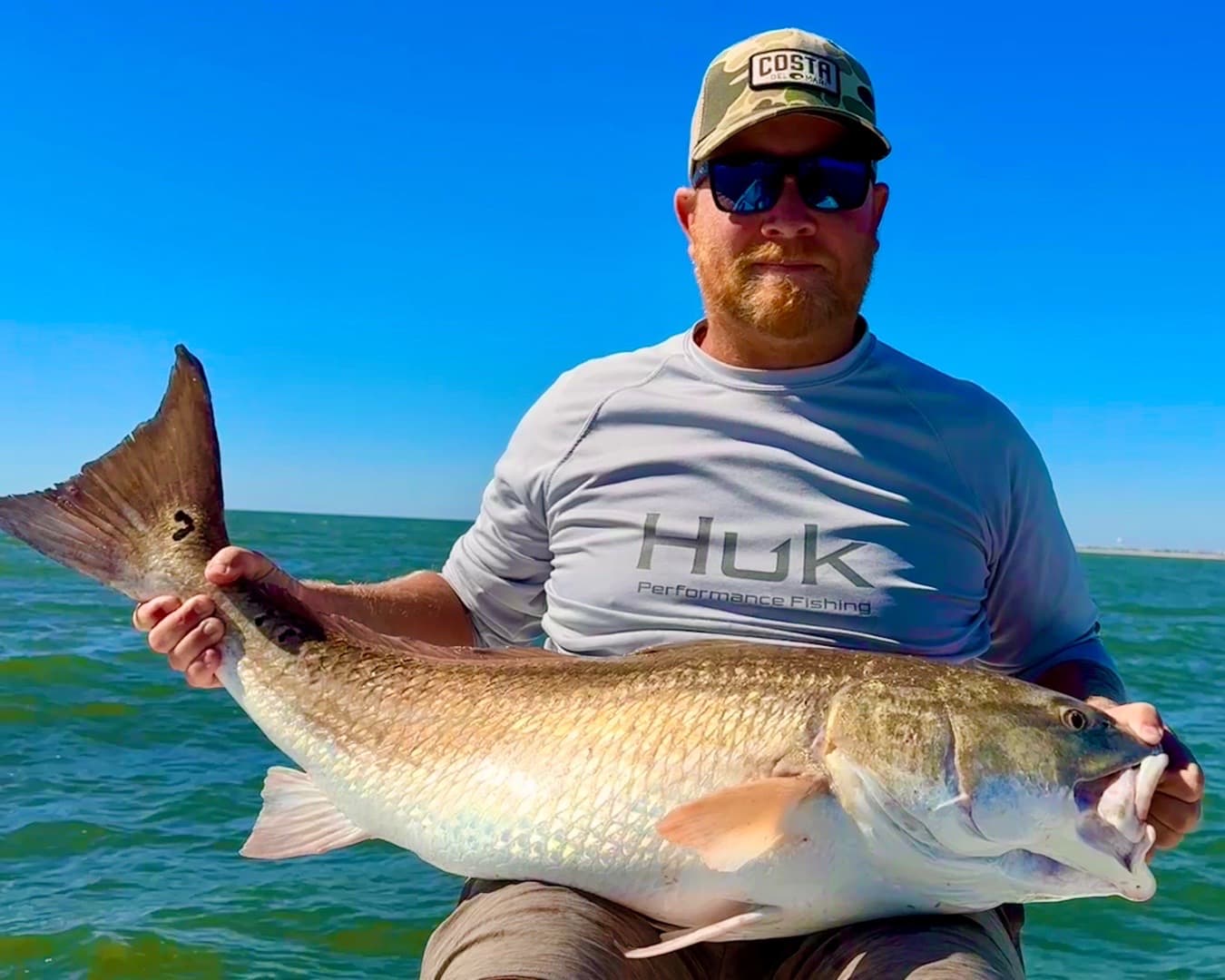
Palmetto Fishing Charters – Murrells Inlet, SC Experience some of the best fishing the South Carolina coast has to offer with Palmetto Fishing Charters and Captain Ryan Isabelle. Whether you're an experienced angler looking to hook into a trophy fish or a first-timer ready to fall in love with fishing, Capt. Ryan will make sure your trip is exciting, comfortable, and memorable. You'll fish the beautiful waters of Murrells Inlet, an area known for its productive marshes, creeks, and coastal waters that hold a wide variety of species year-round. Target popular inshore favorites like: • Redfish • Spotted Seatrout • Flounder • Black Drum Depending on the season, you may also encounter Cobia, Sharks, Bluefish, Spadefish, and Mackerel on nearshore trips. Your trip takes place aboard a 24’ Sea Hunt center console, built for both comfort and performance. The boat accommodates up to 6 guests, with plenty of room to fish and a T-top for shade from the South Carolina sun. All rods, reels, bait, and tackle are provided, along with Captain Ryan’s local expertise to help anglers of all skill levels have a successful day on the water. At the end of the trip, your catch will be cleaned and filleted so you can enjoy it fresh. Just bring your drinks, snacks, and a good attitude — Captain Ryan will take care of the rest. Book your trip today and come experience the thrill of fishing Murrells Inlet! Please note: credit card processing fees and taxes are not included in trip pricing.
Salty Dawg Fishing Charters
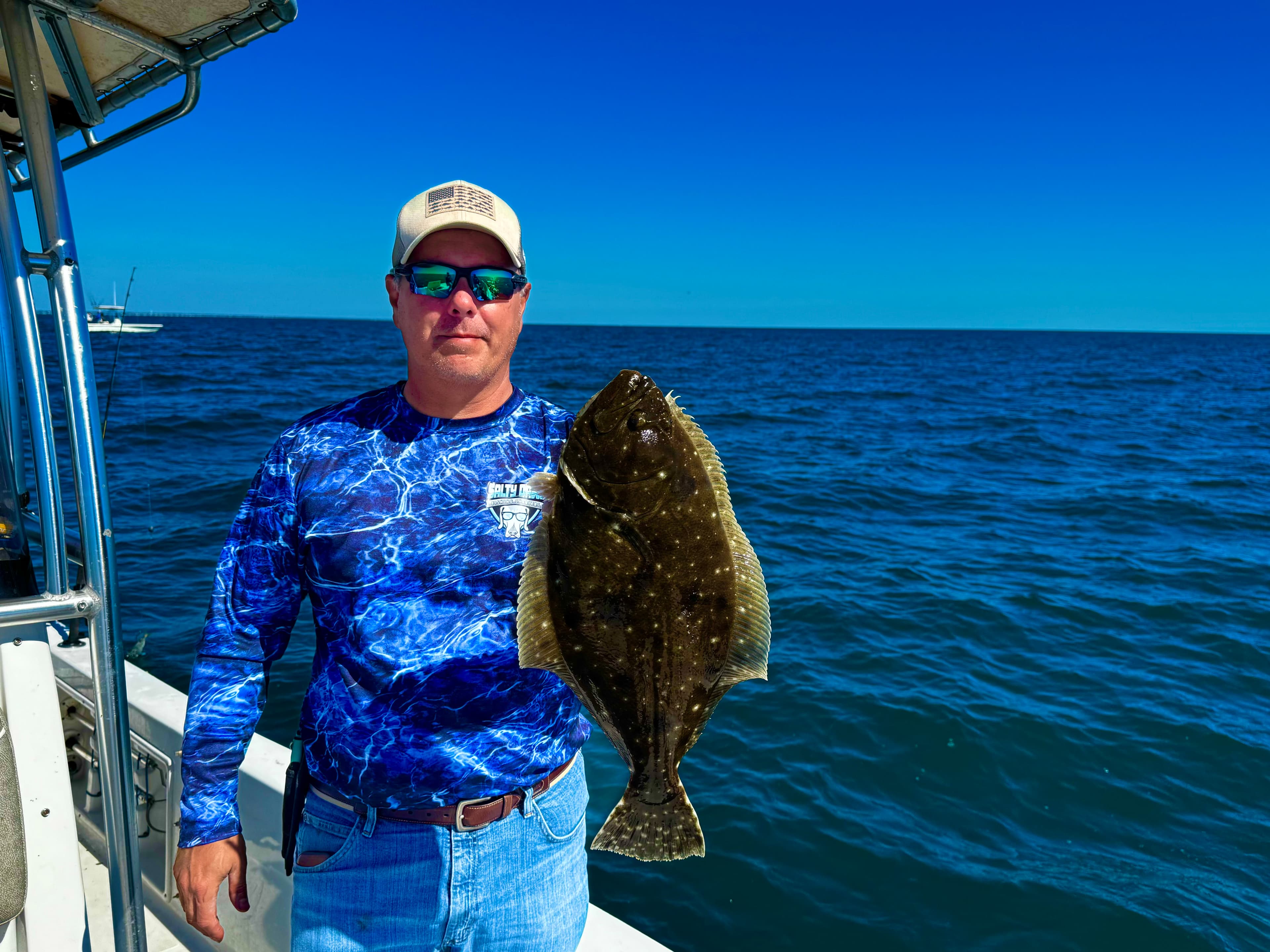
Salty Dawg Fishing Charters specializes in Inshore, Nearshore, Shark Fishing, and Kids Fishing Charters. Based in Ocean Isle Beach NC, but also serving Sunset Beach NC and Holden Beach NC. Veteran-Owned.
Captain Bs Surf Fishing Charters
Melbourne Beach, Florida
Captain B's Surf Fishing Charters has over 40 years of experience specializing in all Brevard County area beaches. Full-service guide targeting Pompano, Whiting, Bluefish, Redfish, Spanish Mackerel, Flounder, Sheepshead, Black Drum, Snook, and specialized Shark fishing trips.
Plan a Spanish Mackerel Fishing Trip
Find the best times and places to catch Spanish Mackerel, and get matched with experienced guides.
Best Time to Catch Spanish Mackerel
Peak months for Spanish Mackerel fishing across the US.
Best Places to Catch Spanish Mackerel
Top 6 cities ranked by guide availability and species data quality.
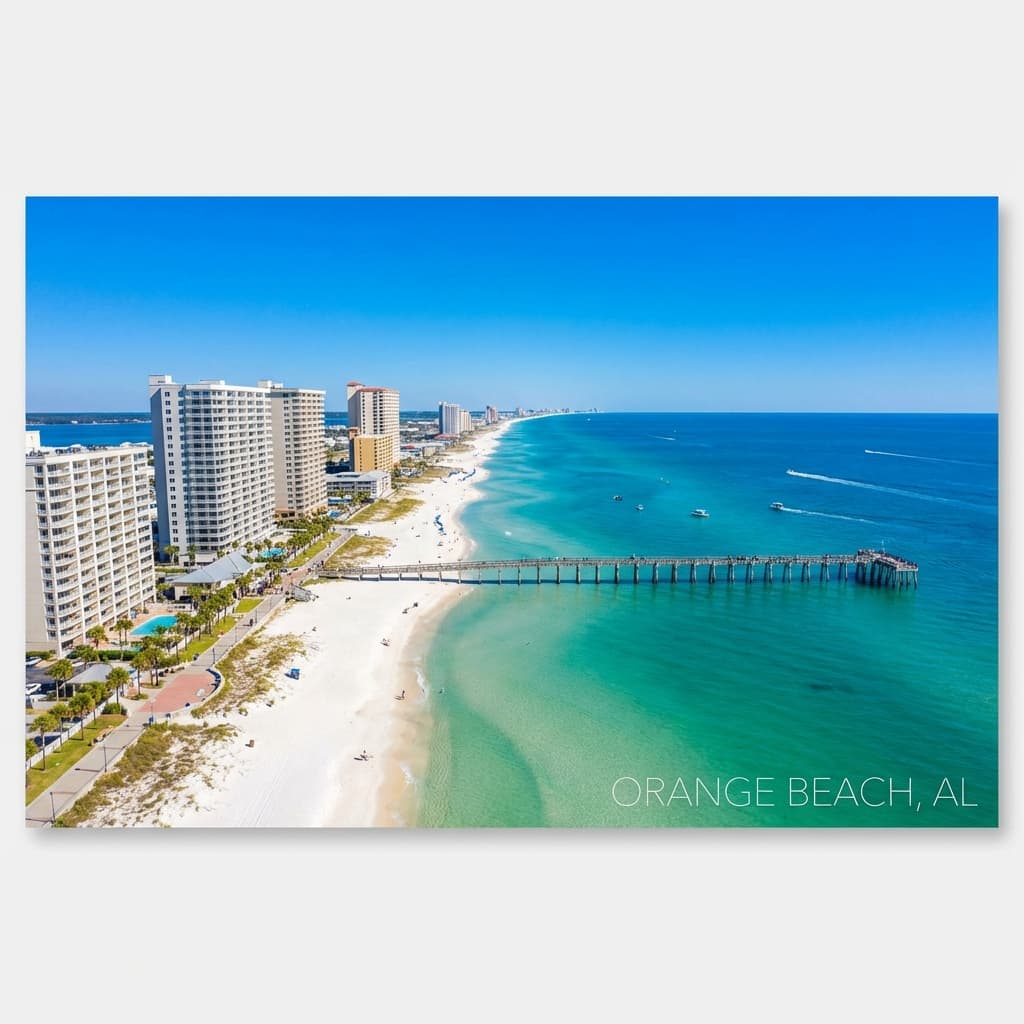
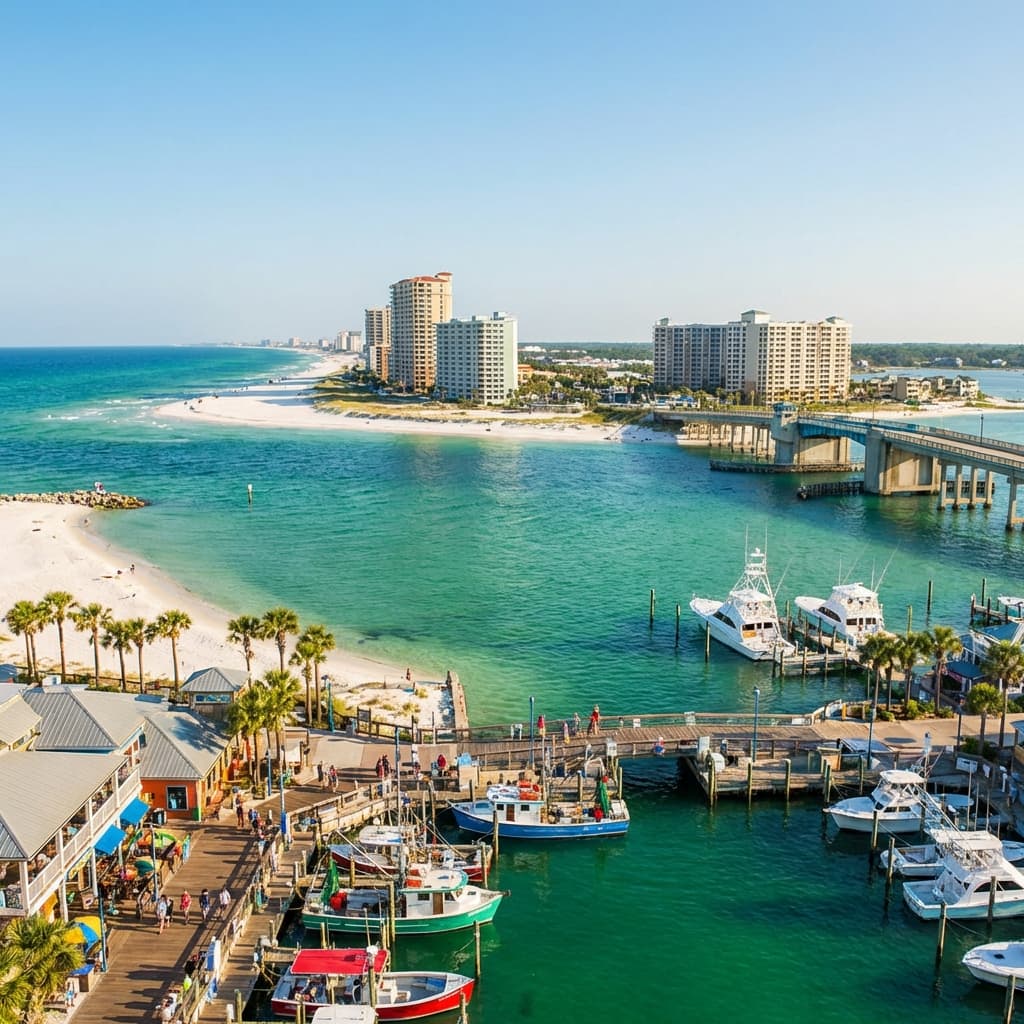
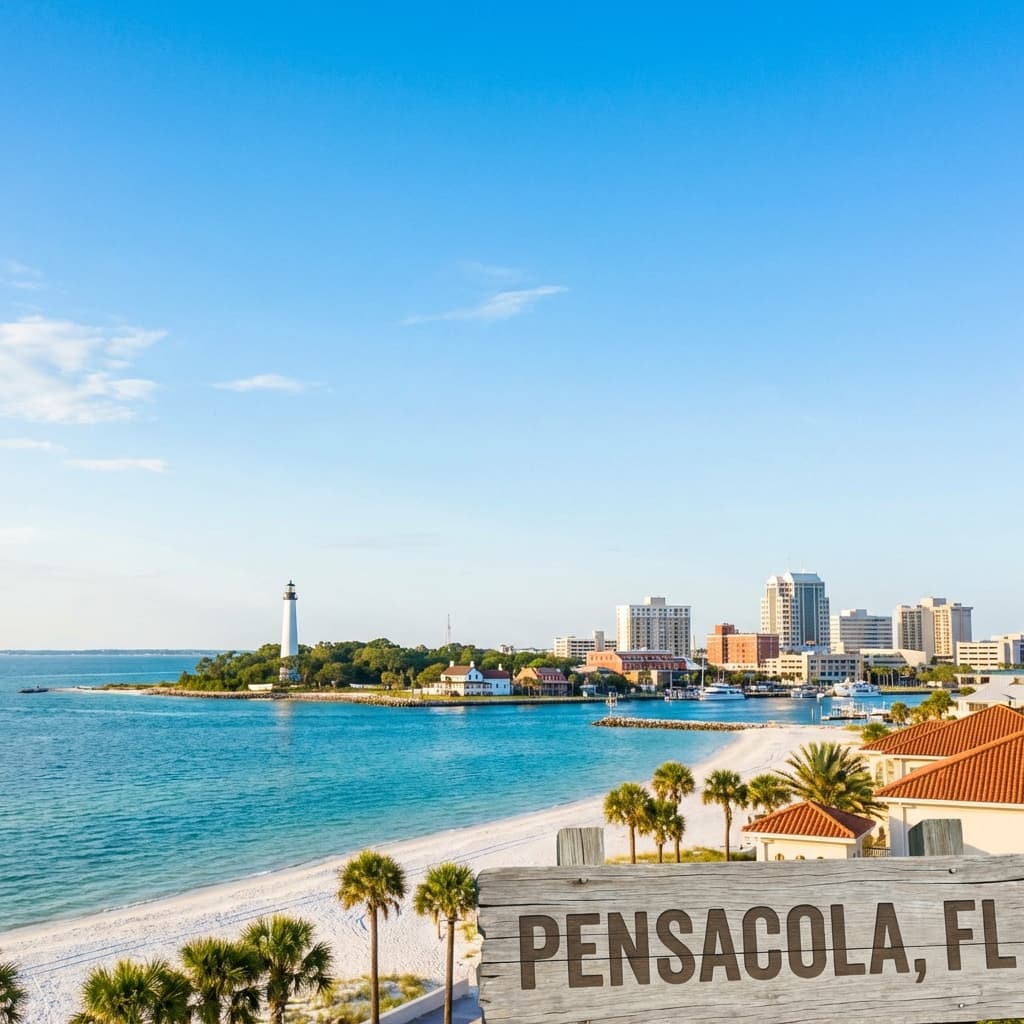
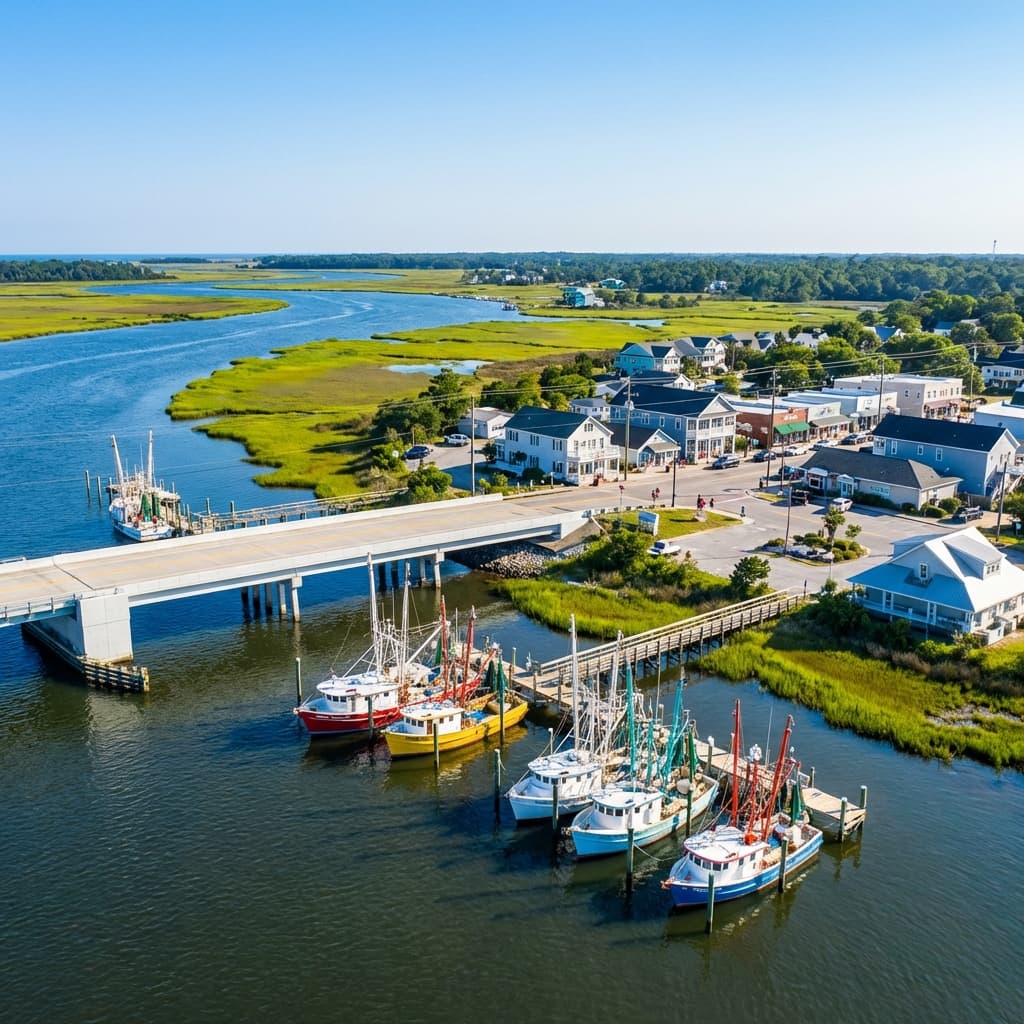
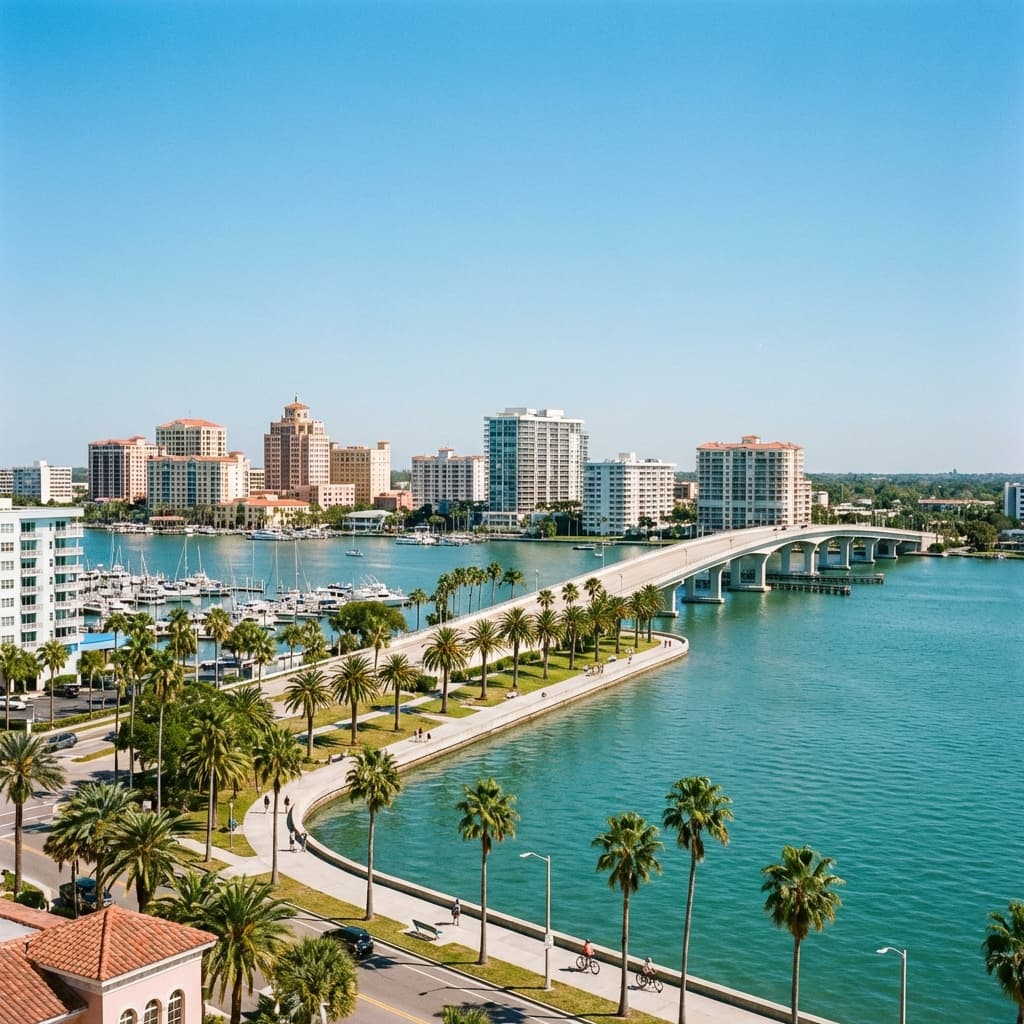
States Where Spanish Mackerel Are Found




Top Locations for Spanish Mackerel
Seasonal Activity Chart
Spanish Mackerel
Species spanish_mackerel
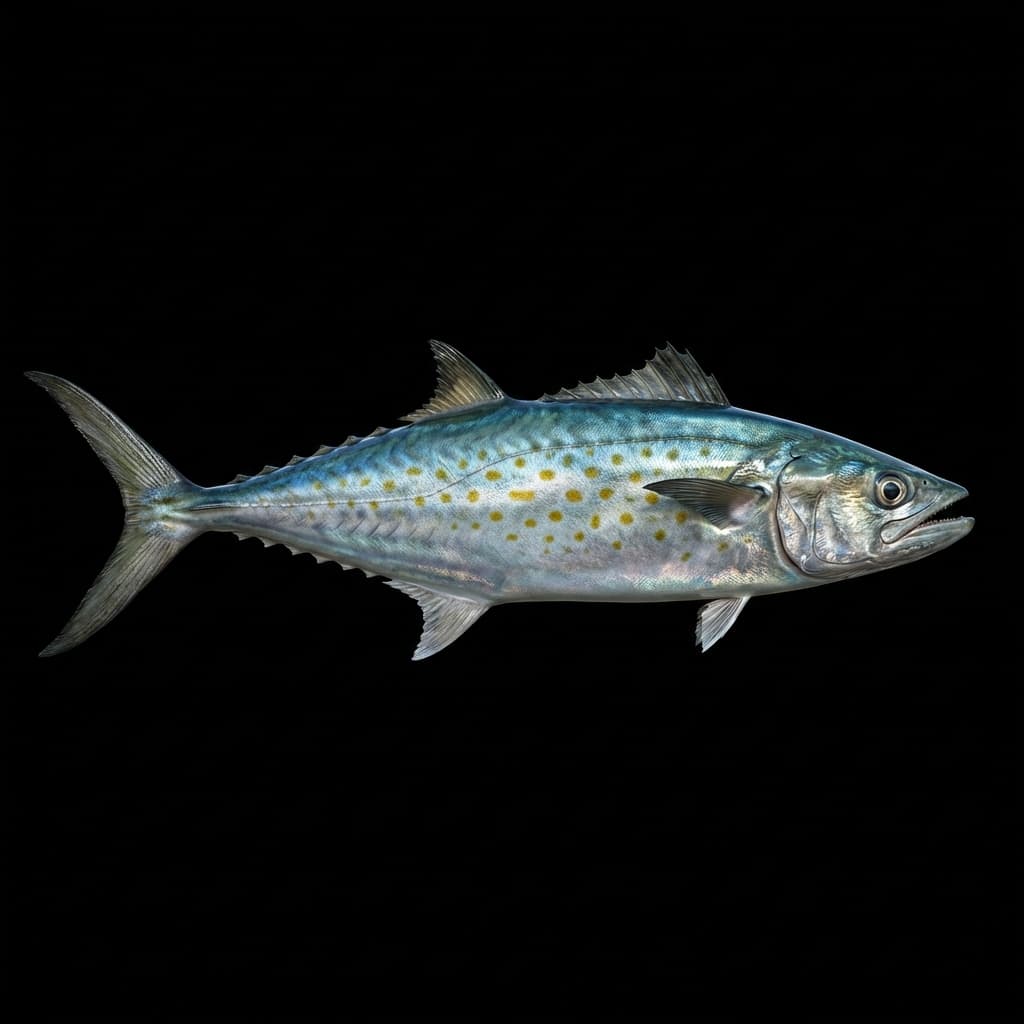
Spanish Mackerel are a fast-growing, hard-fighting species of mackerel that are highly sought after by anglers along the Atlantic and Gulf Coasts. Known for their dazzling silver bodies and vibrant yellow spots, Spanish Mackerel provide an exciting angling experience with their blistering runs and acrobatic leaps. They are commonly found in coastal waters, inlets, and nearshore reefs, making them accessible to a wide range of anglers from Florida up to North Carolina and over to Louisiana.
Effective techniques for catching Spanish Mackerel include trolling, casting, and live baiting. When trolling, use spoons, diving plugs, or small flashy lures behind a planer or trolling weight to get the lure down to the fish. For casting, fast-retrieving spoons, jigs, or tube lures can be deadly. Live bait enthusiasts often use small baitfish like pilchards, cigar minnows, or glass minnows suspended under a float or drifted along current lines. A medium-light to medium action spinning rod paired with a 3000-4000 size reel spooled with 12-20lb braided line is ideal. A long shank hook or wire leader is recommended to prevent bite-offs due to their sharp teeth.
Spanish Mackerel are most abundant during the warmer months, typically from late spring through early fall. They migrate into nearshore waters as water temperatures rise, following schools of baitfish. Look for them around inlets, bridges, and nearshore reefs, where they often congregate to feed. Early morning and late afternoon are often the most productive times to fish, as they tend to be more active during these periods. Check local fishing reports for up-to-date information on mackerel activity in areas like Islamorada, Florida, or Hatteras, North Carolina.
If you're new to targeting Spanish Mackerel, start by looking for birds diving on baitfish schools, a telltale sign of mackerel activity. When casting, retrieve your lure as quickly as possible, as these fish are attracted to speed. If you're trolling, experiment with different lure colors and depths until you find what they're hitting. Be prepared for a fast and furious fight, and remember to keep your drag set appropriately to avoid break-offs. Don't be surprised if you catch more than one at a time using a multi-hook rig!
How to Catch Spanish Mackerel
Frequently Asked Questions
When is the best time to catch Spanish Mackerel?
Across the US, the best months for Spanish Mackerel are generally May, June, July, August, September, October, though timing shifts by state.
Where can you catch Spanish Mackerel in the US?
Spanish Mackerel is found in 10 states, including California, Florida, Georgia, Hawaii, Louisiana, Massachusetts. Pick a state to see local guides and regulations.
Is Spanish Mackerel a freshwater or saltwater fish?
Spanish Mackerel is a various species.