How to Catch Sockeye Salmon
Best places, best times, and expert guides for sockeye salmon fishing.
Featured Sockeye Salmon Guides
Expert captains ready to take you on your next Sockeye Salmon adventure.
Becharof Rapids Camp
Hoquiam, Washington
We are the premiere remote fly-in fishing camp located on the outlet of Becharof Lake on the Egegik River in Southwestern Alaska (Bristol Bay region). Becharof Lake is the second largest lake in Alaska. One of the largest run of Sockeye salmon in the world swim by our front door, among other species to be caught are silver salmon, king salmon, lake trout, grayling, artic char, and rainbow trout. The camp has private cabins, hot running water, toilets, showers and home cooked meals.
Kenai Fishing Company
Available Trips King Salmon Silver/ Pink/ Sockeye Salmon Rainbow Trout/ Dolly Varden Halibut and Rockfish What our anglers have to say ...... " An exceptional guide for every level of fishermen. He's honest, fun and works hard to make sure you have the best fishing experience possible. Customer for life. " Andy K. ⭐⭐⭐⭐⭐ Rating:
AK Fishing Adventures
Find your Alaskan adventure with AKFishing Adventures. We offer ice fishing trips and salmon fishing trip for the legendary Chinook salmon and sockeye Salmon.
Plan a Sockeye Salmon Fishing Trip
Find the best times and places to catch Sockeye Salmon, and get matched with experienced guides.
Best Time to Catch Sockeye Salmon
Peak months for Sockeye Salmon fishing across the US.
Best Places to Catch Sockeye Salmon
Top 6 cities ranked by guide availability and species data quality.
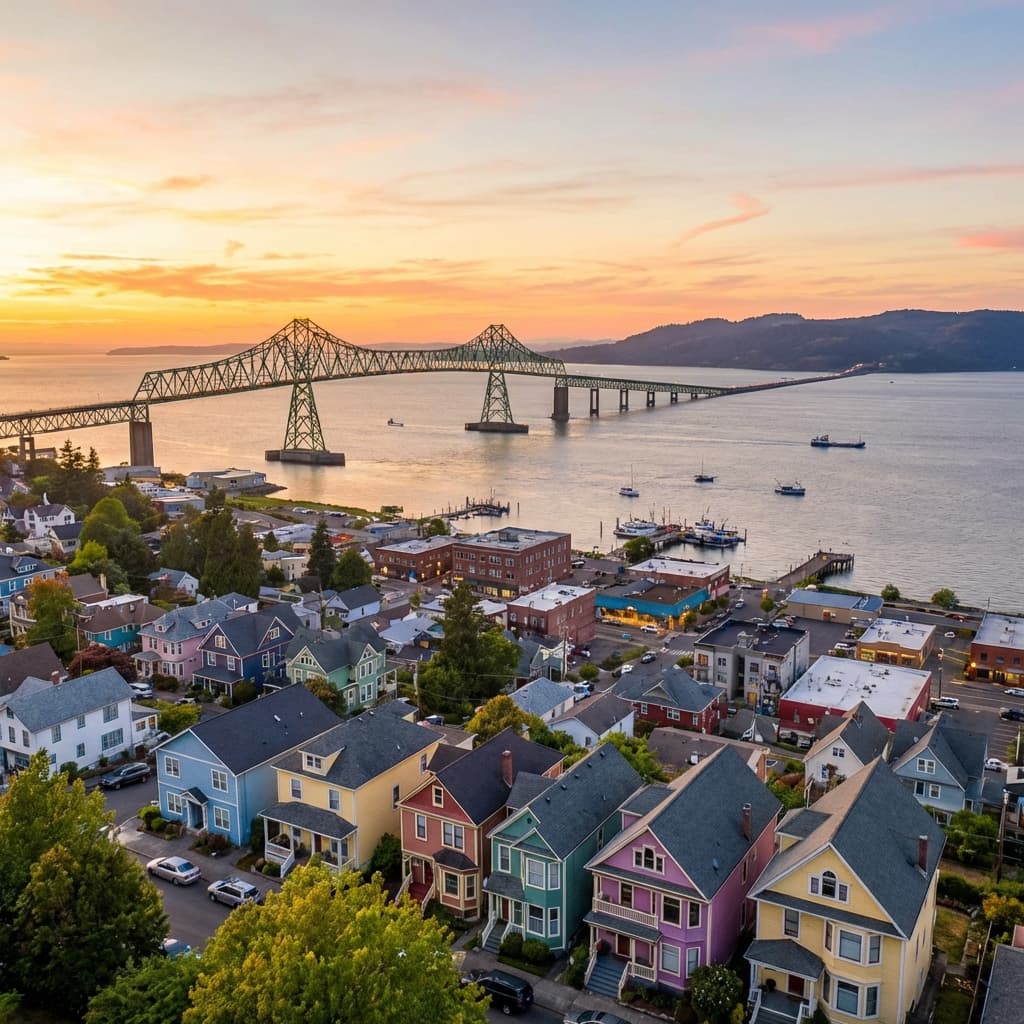
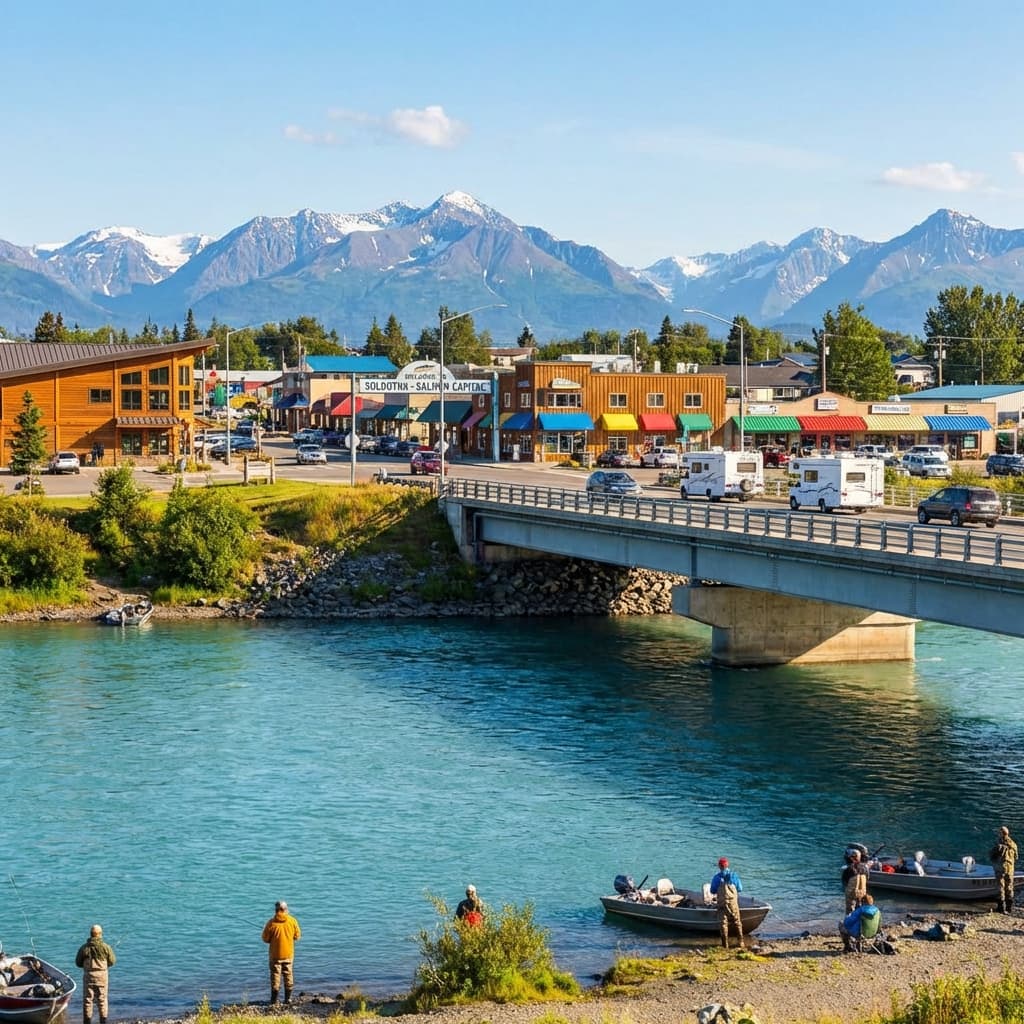
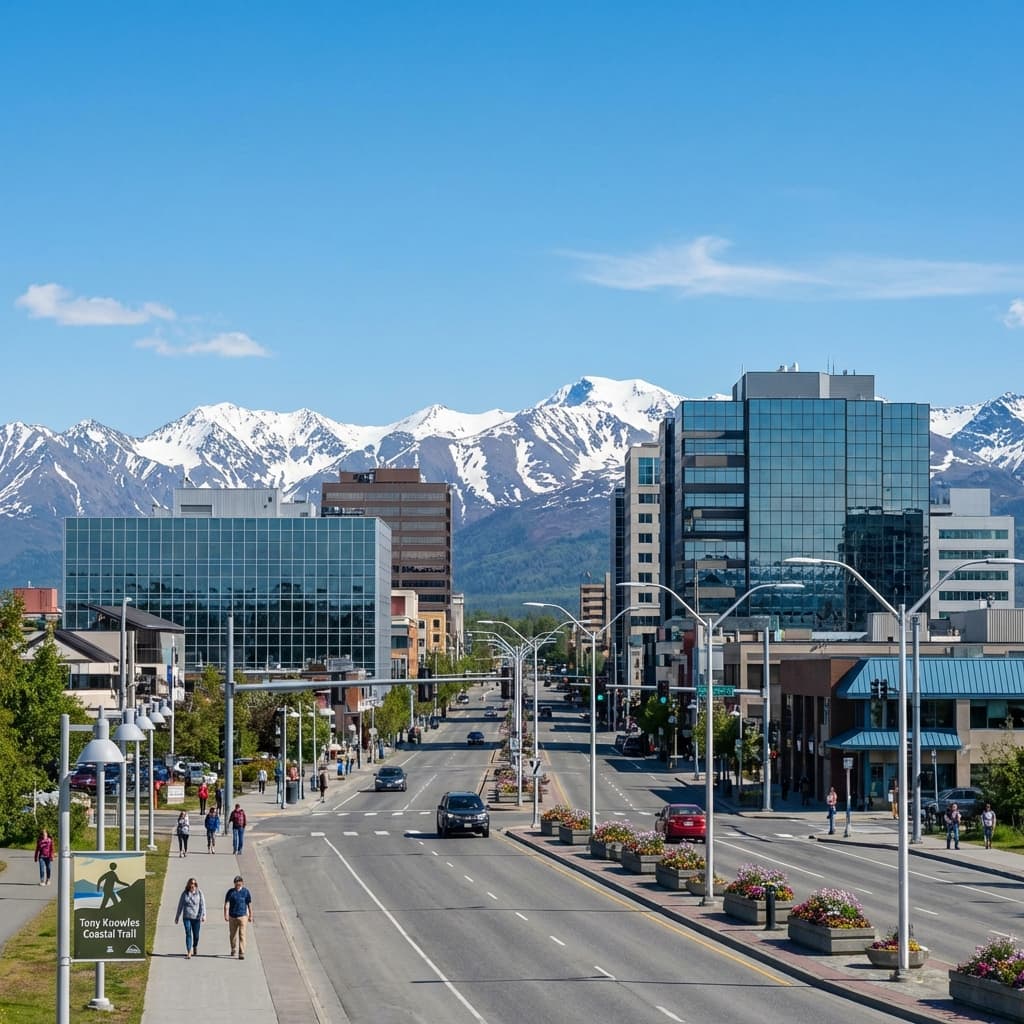
States Where Sockeye Salmon Are Found
Top Locations for Sockeye Salmon
Seasonal Activity Chart
Sockeye Salmon
Species sockeye_salmon
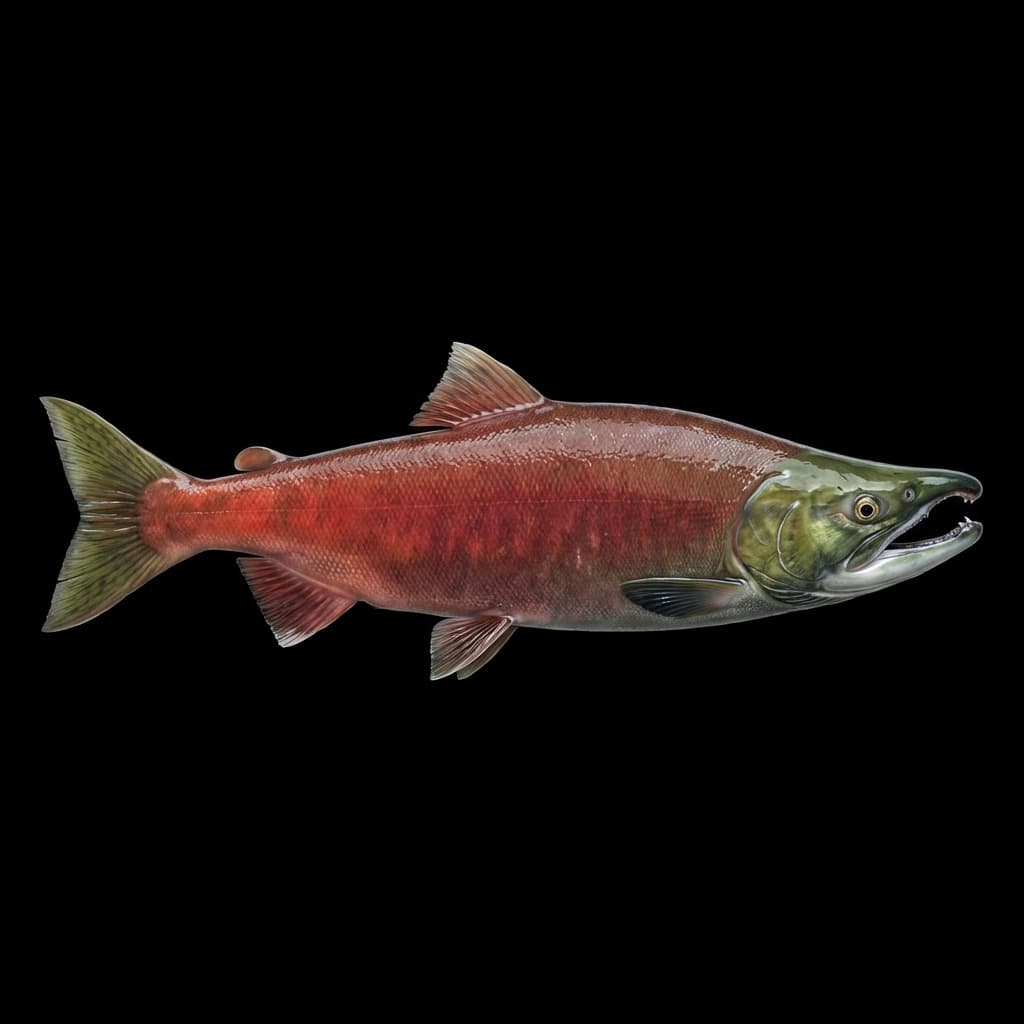
The sockeye salmon, also known as red salmon, is a prized gamefish renowned for its vibrant red flesh and powerful fighting ability. Primarily found in the Pacific Northwest, including Alaska, Washington, and Oregon, these anadromous fish migrate from the ocean to freshwater rivers and lakes to spawn. Their incredible journey and delicious flavor make them a favorite target for anglers seeking a challenging and rewarding fishing experience. Targeting sockeye requires specific techniques and knowledge of their migration patterns, making it a true test of angling skill.
Effective techniques for catching sockeye salmon often involve using brightly colored lures or flies that imitate their natural prey. Popular choices include small spinners, spoons, and brightly colored yarn flies. Fly fishing with weighted nymphs or egg patterns can also be highly effective in rivers and streams. A medium-action spinning rod or fly rod paired with a reel spooled with 8-12lb test line or a 6-8 weight fly line is generally sufficient. When fishing in rivers, focus on areas with moderate current and gravel bottoms where sockeye tend to congregate. In lakes, trolling with small spoons or spinners can be productive. Remember to check local regulations regarding allowable gear and fishing methods.
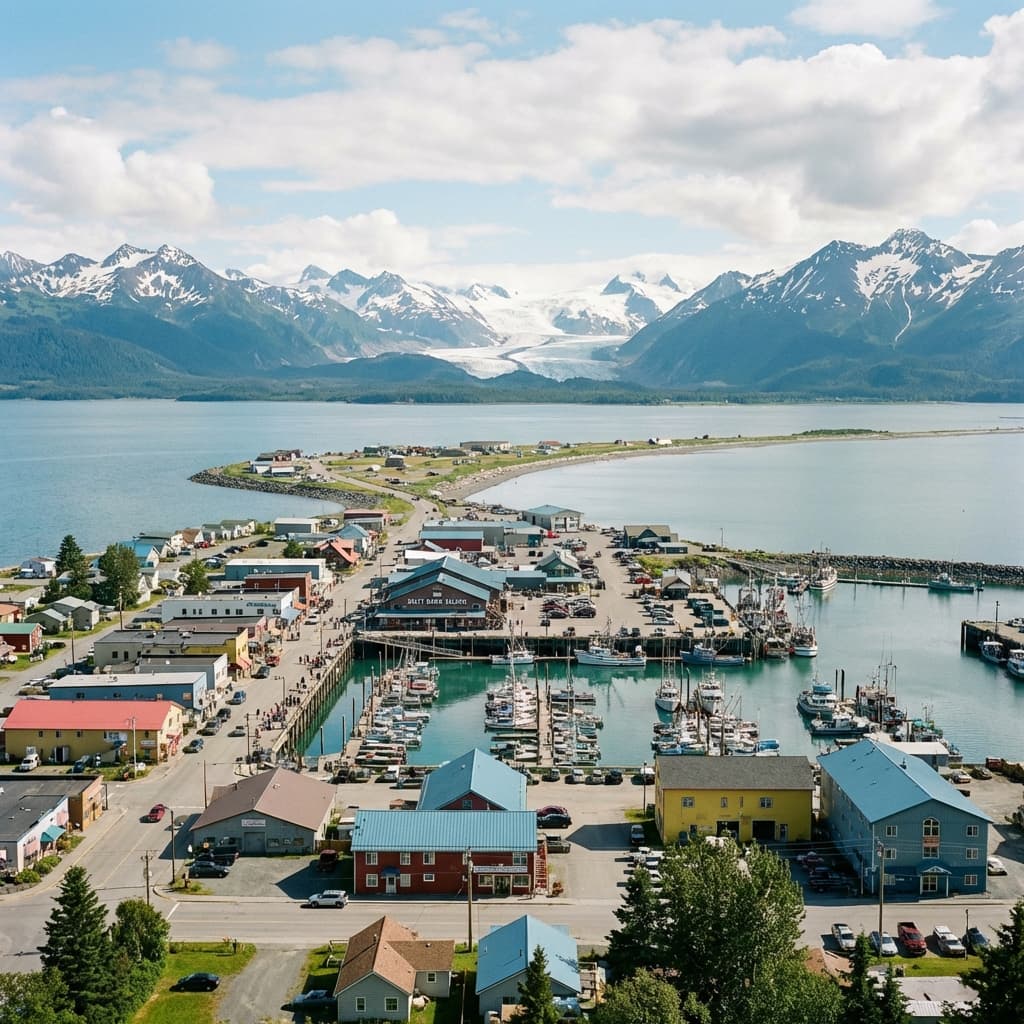
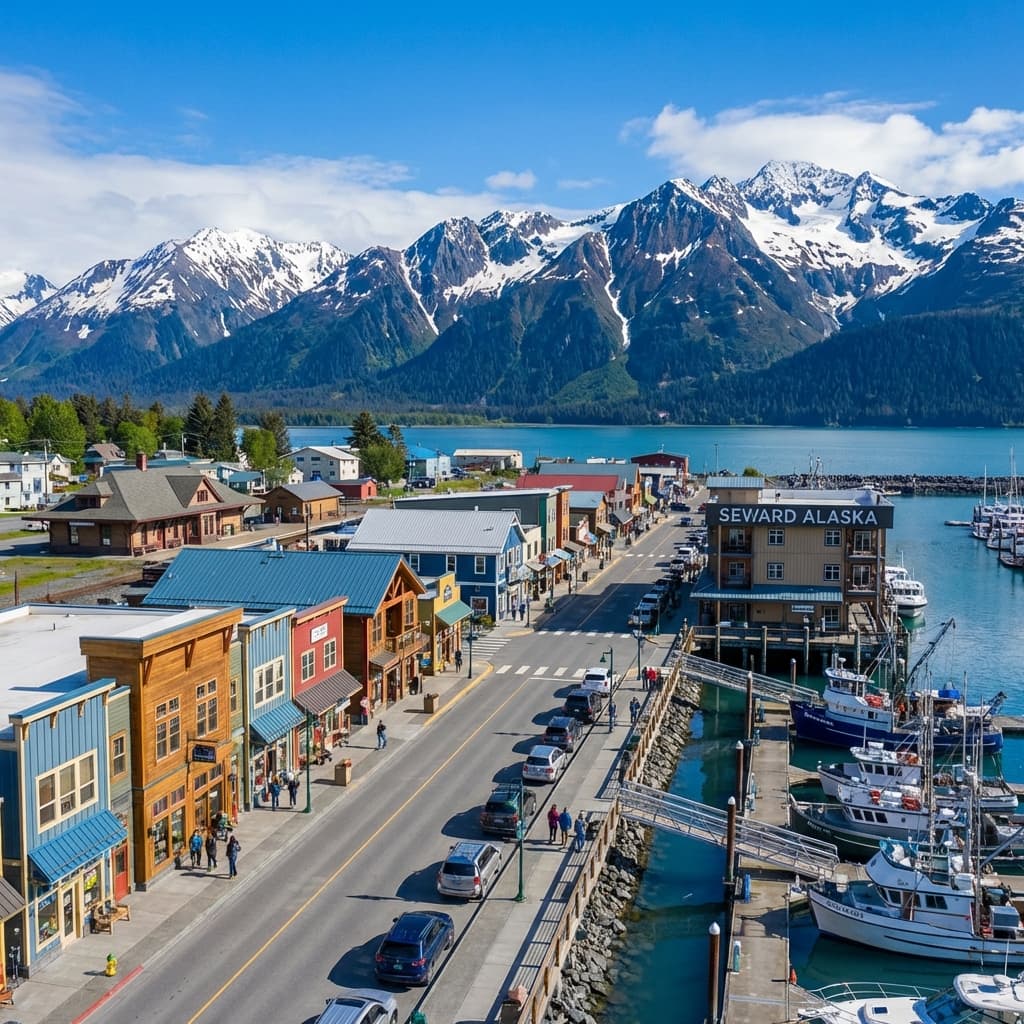
Sockeye salmon fishing is highly seasonal, with the best opportunities typically occurring during their spawning runs in the summer months. The timing of these runs can vary depending on the specific river system and environmental conditions. In Alaska, popular destinations like Homer and Seward see peak runs in June and July. In Washington and Oregon, the Columbia River and its tributaries offer excellent sockeye fishing opportunities during the summer and early fall. Pay attention to local fishing reports and run forecasts to determine the best time to plan your trip. Be prepared for crowded conditions, as sockeye salmon runs attract anglers from all over.
For beginner sockeye salmon anglers, start by focusing on areas with high concentrations of fish, such as near the mouths of rivers or in designated fishing areas. Observe experienced anglers and learn from their techniques. Pay attention to water conditions and adjust your presentation accordingly. Be patient and persistent, as sockeye can be finicky and require a precise presentation to entice a strike. Remember to practice catch-and-release if you're not planning to keep the fish, and always handle salmon carefully to minimize stress and ensure their survival.
How to Catch Sockeye Salmon
Frequently Asked Questions
When is the best time to catch Sockeye Salmon?
Across the US, the best months for Sockeye Salmon are generally April, May, October, though timing shifts by state.
Where can you catch Sockeye Salmon in the US?
Sockeye Salmon is found in 3 states: Alaska, Oregon, Washington. Pick a state to see local guides and regulations.
Is Sockeye Salmon a freshwater or saltwater fish?
Sockeye Salmon is a various species.