How to Catch Sandbar Shark
Best places, best times, and expert guides for sandbar shark fishing.
Featured Sandbar Shark Guides
Expert captains ready to take you on your next Sandbar Shark adventure.
Plan a Sandbar Shark Fishing Trip
Find the best times and places to catch Sandbar Shark, and get matched with experienced guides.
Best Time to Catch Sandbar Shark
Peak months for Sandbar Shark fishing across the US.
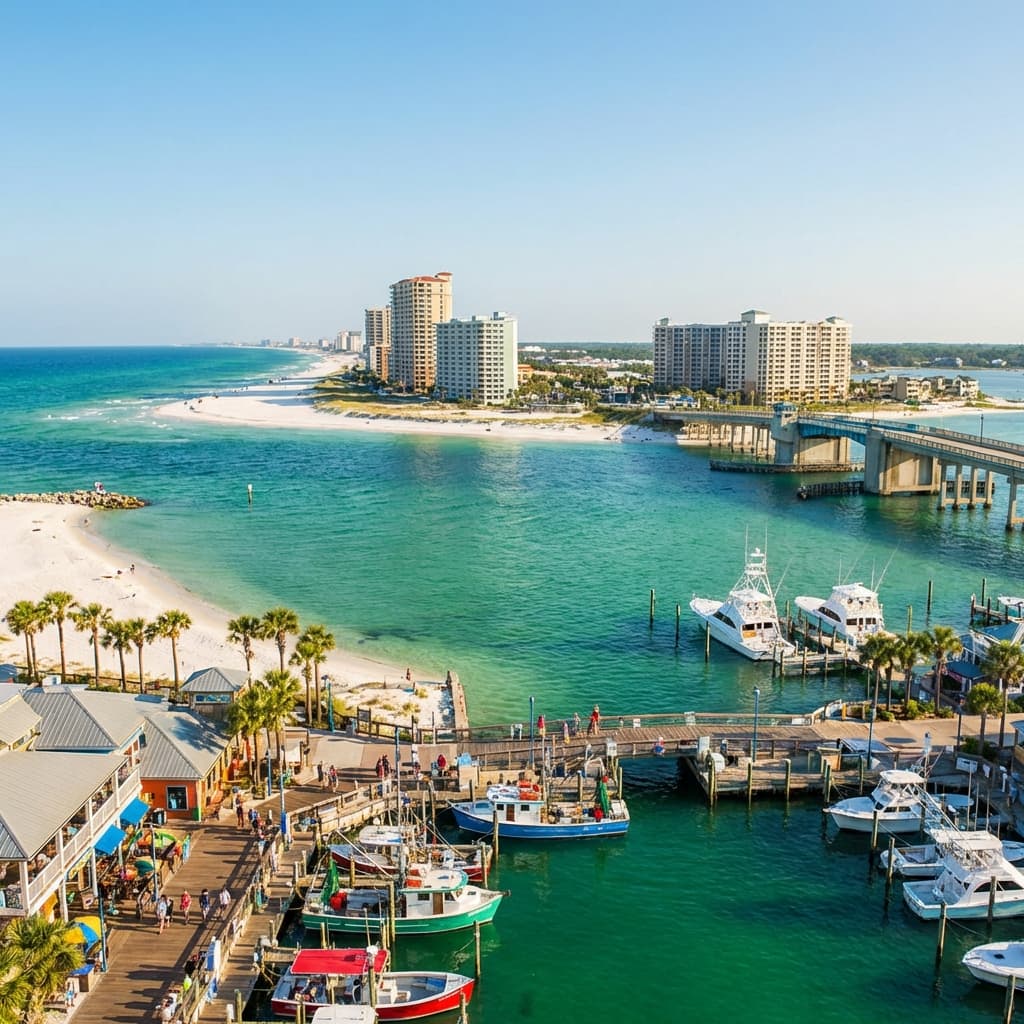
Best Places to Catch Sandbar Shark
Top 6 cities ranked by guide availability and species data quality.
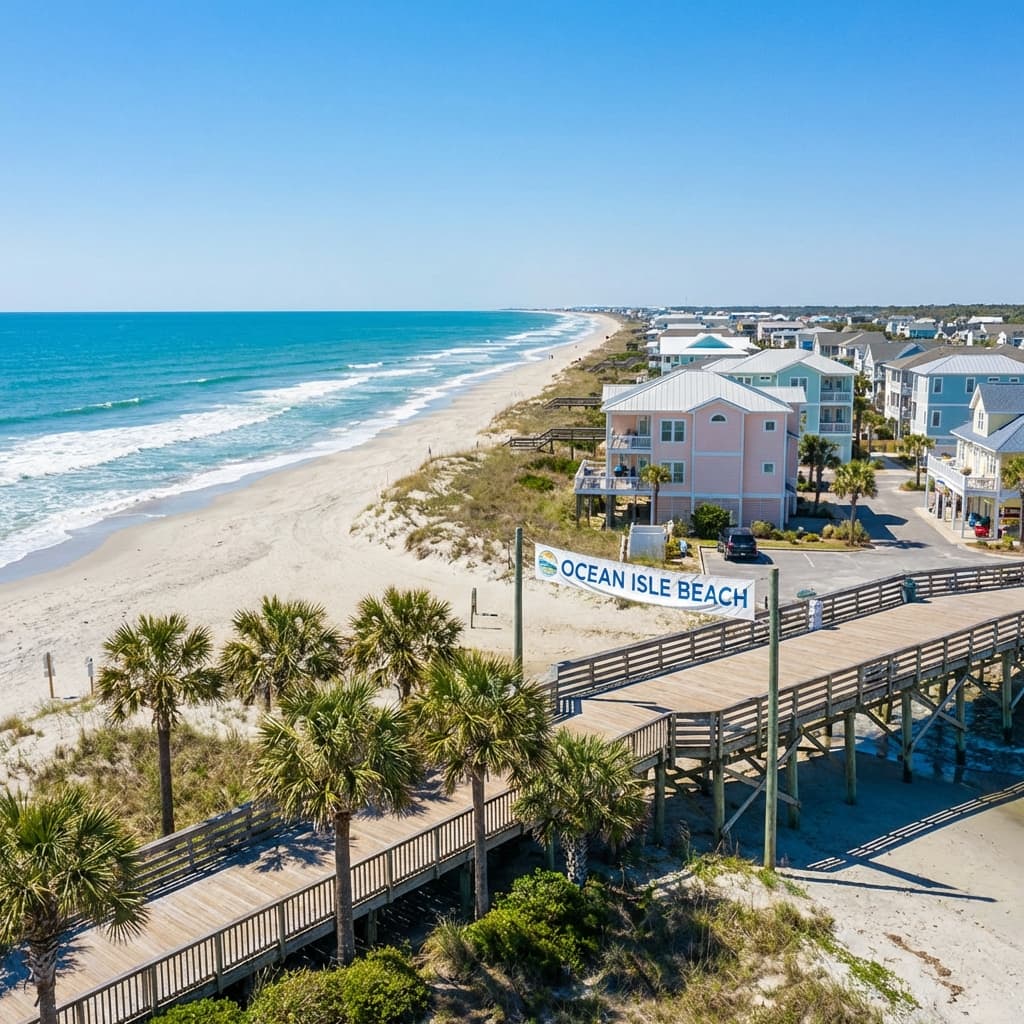
States Where Sandbar Shark Are Found

Top Locations for Sandbar Shark
Seasonal Activity Chart
Sandbar Shark
Species sandbar_shark
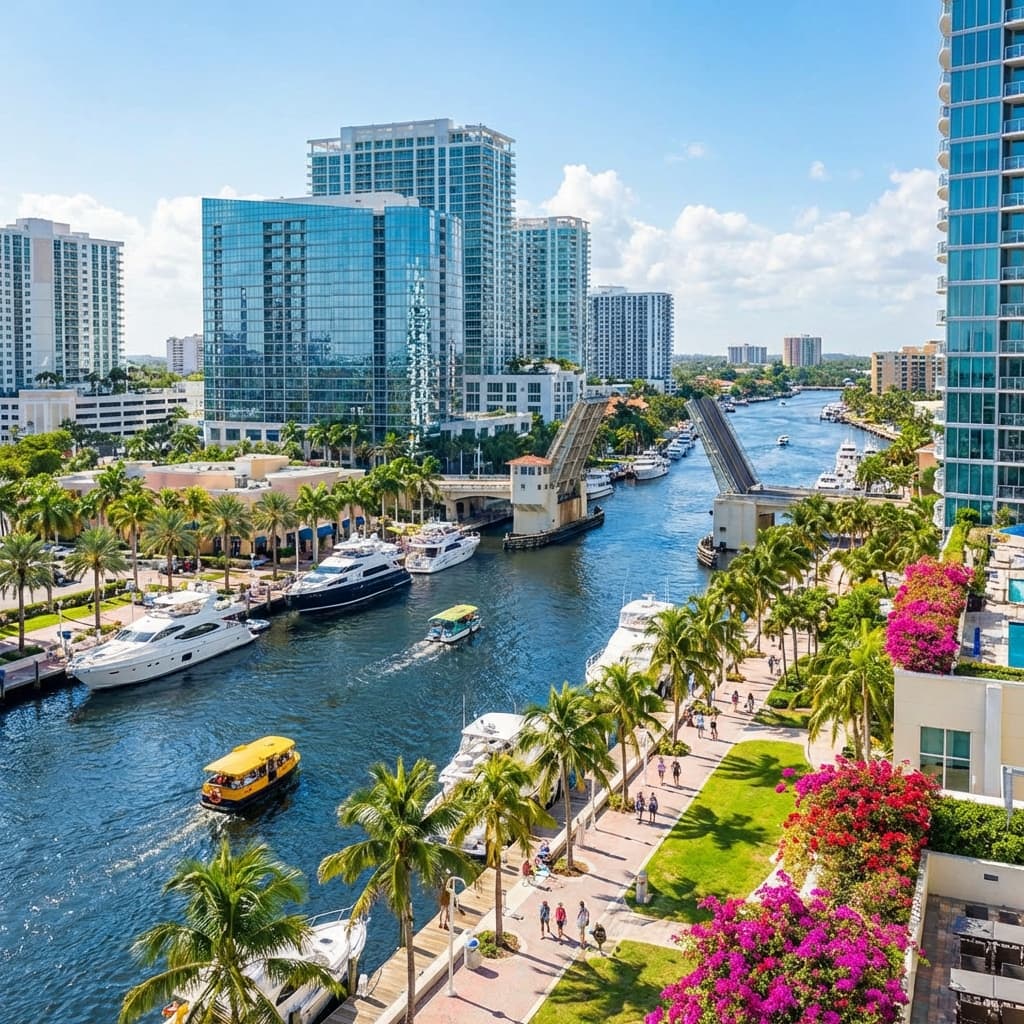
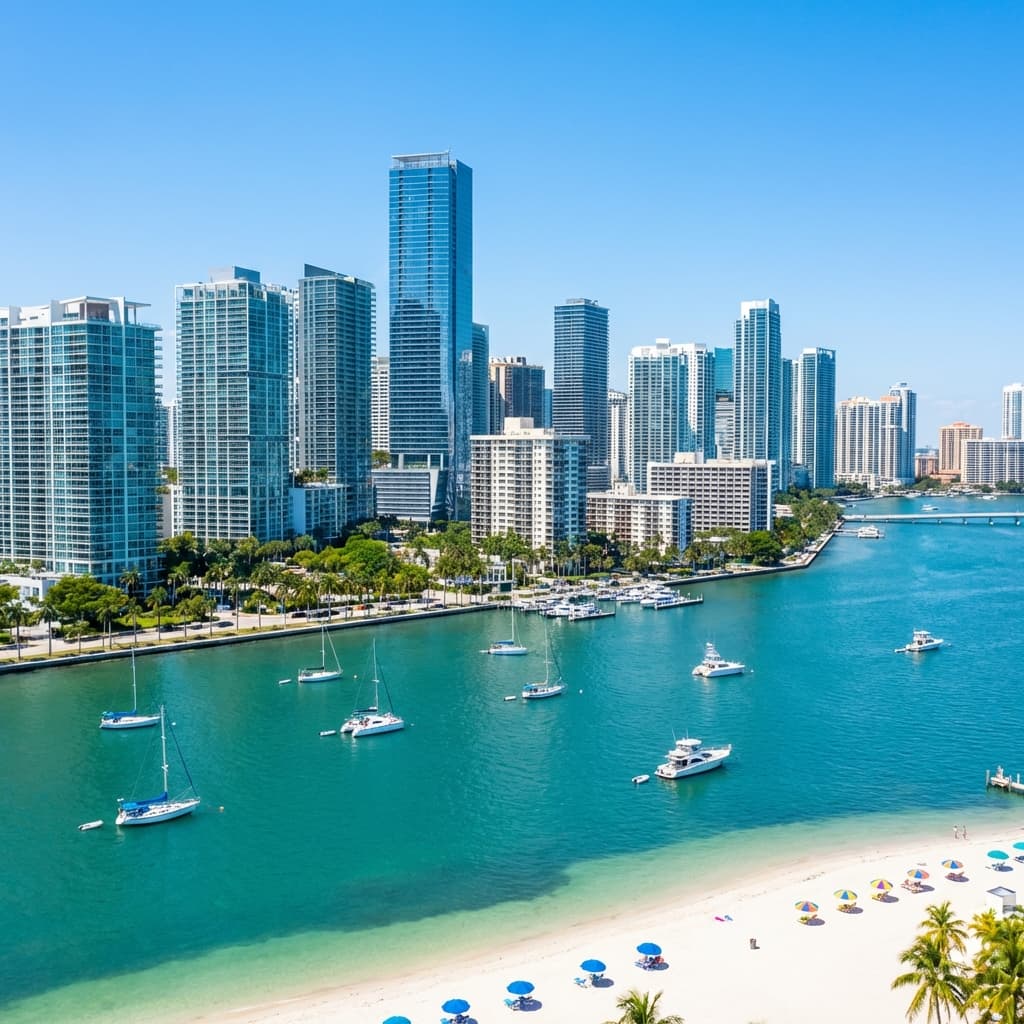
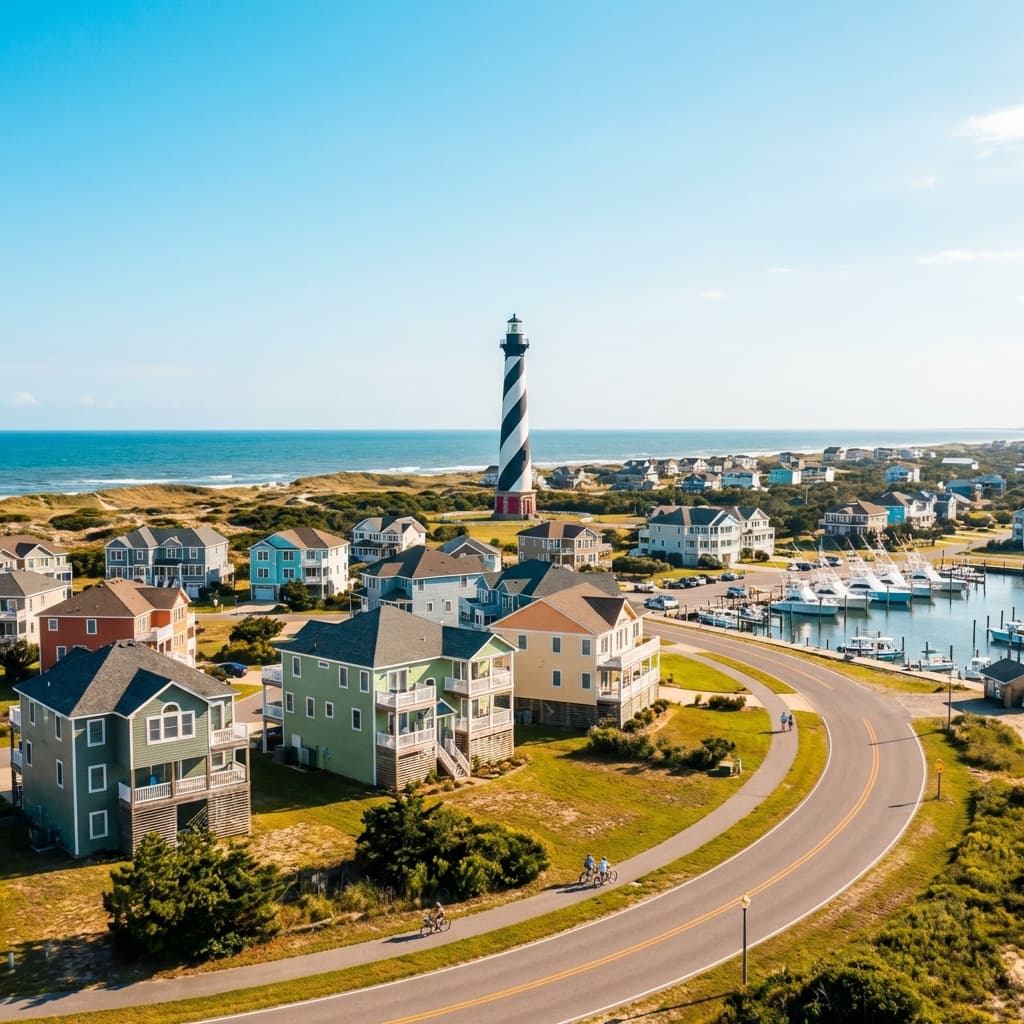
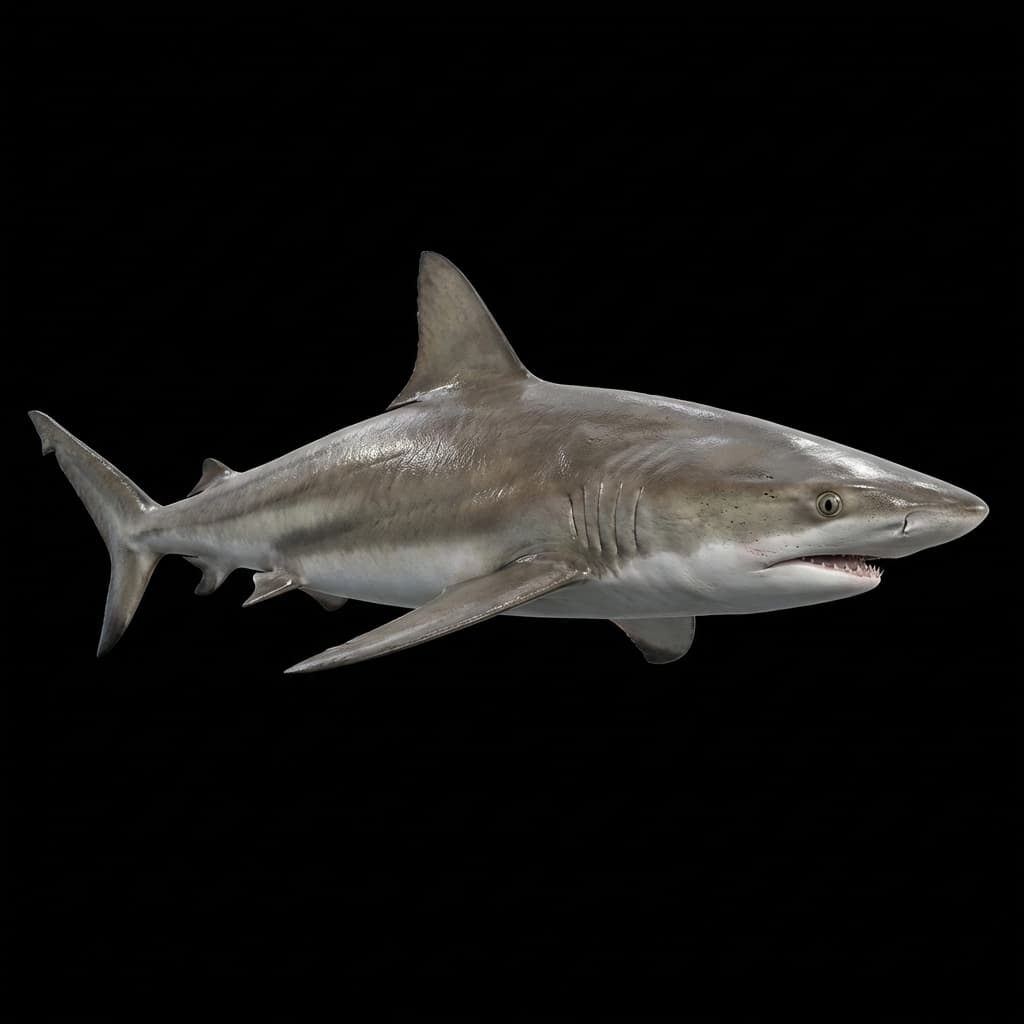
The sandbar shark, a common sight along the Atlantic and Gulf coasts, offers anglers a challenging and rewarding fishing experience. Often found in areas like Hatteras, North Carolina, Miami and Fort Lauderdale, Florida, and Destin, Florida, this shark frequents bays, estuaries, and nearshore waters. Its robust build and powerful swimming ability make it a worthy adversary, known for putting up a good fight. While not typically targeted for consumption, the sandbar shark is a popular catch-and-release species among sport fishermen.
For targeting sandbar sharks, chunk bait fishing is a widely used and effective method. Anglers often employ large pieces of oily fish, such as mackerel, menhaden, or bonito, rigged on a circle hook with a wire leader to withstand the shark's sharp teeth. A heavy-duty conventional rod and reel setup, spooled with braided line and a strong top shot of monofilament, is recommended to handle the shark's power. Drifting these baits near channels, inlets, or along the edges of sandbars can be productive. Chumming can also help attract sharks to your fishing area. Remember to always use tackle appropriate for catch and release, and adhere to all local fishing regulations.
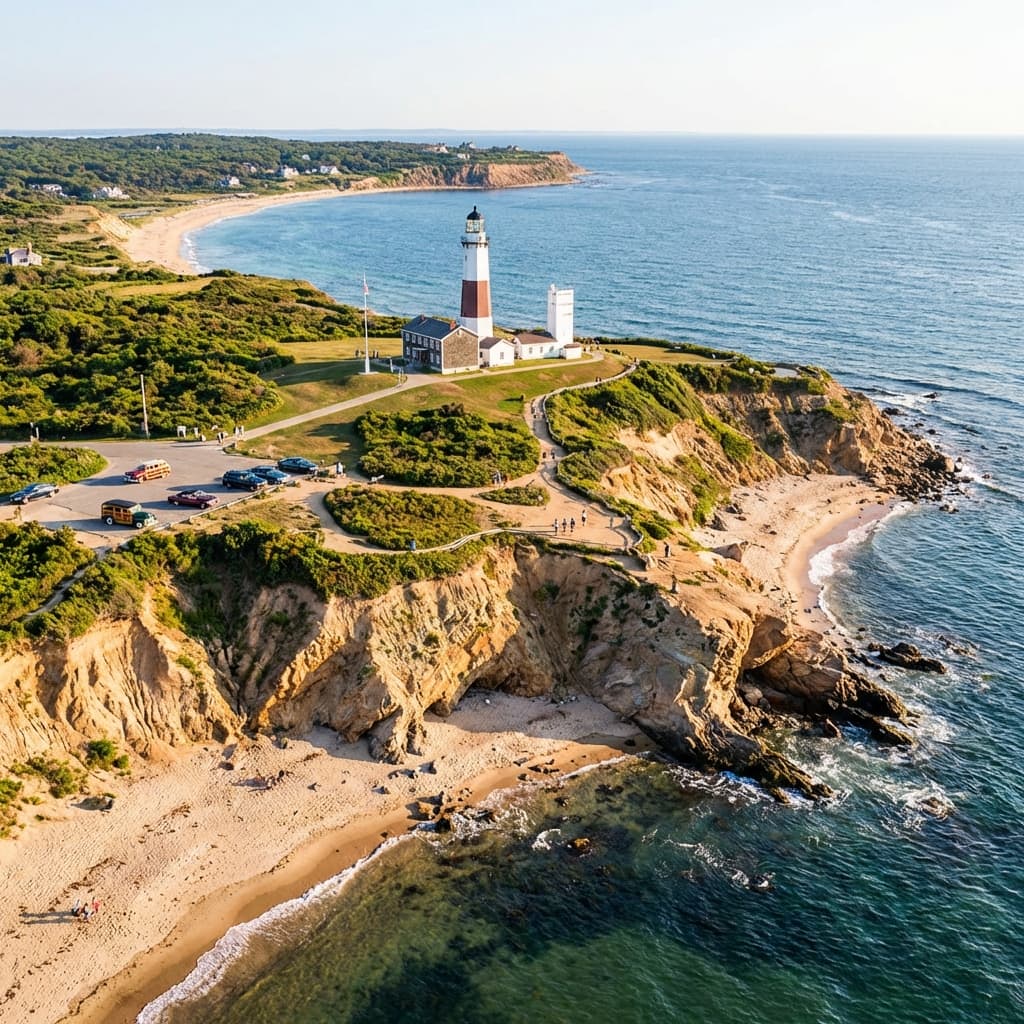
The best time to target sandbar sharks is generally during the warmer months, from spring through fall. They tend to move closer to shore as water temperatures rise. In locations like Montauk, NY, and along the coast of South Carolina, summer and early fall can be particularly productive. Pay attention to tide changes, as sharks often become more active during periods of increased current. Local fishing reports and experienced charter captains can provide valuable information about current shark activity and migration patterns in specific areas.
How to Catch Sandbar Shark
Frequently Asked Questions
When is the best time to catch Sandbar Shark?
Across the US, the best months for Sandbar Shark are generally May, June, July, though timing shifts by state.
Where can you catch Sandbar Shark in the US?
Sandbar Shark is found in 10 states, including California, Florida, Georgia, Louisiana, Massachusetts, New Jersey. Pick a state to see local guides and regulations.
Is Sandbar Shark a freshwater or saltwater fish?
Sandbar Shark is a various species.