How to Catch Salmon
Best places, best times, and expert guides for salmon fishing.
Featured Salmon Guides
Expert captains ready to take you on your next Salmon adventure.
Heavens Gate Charters
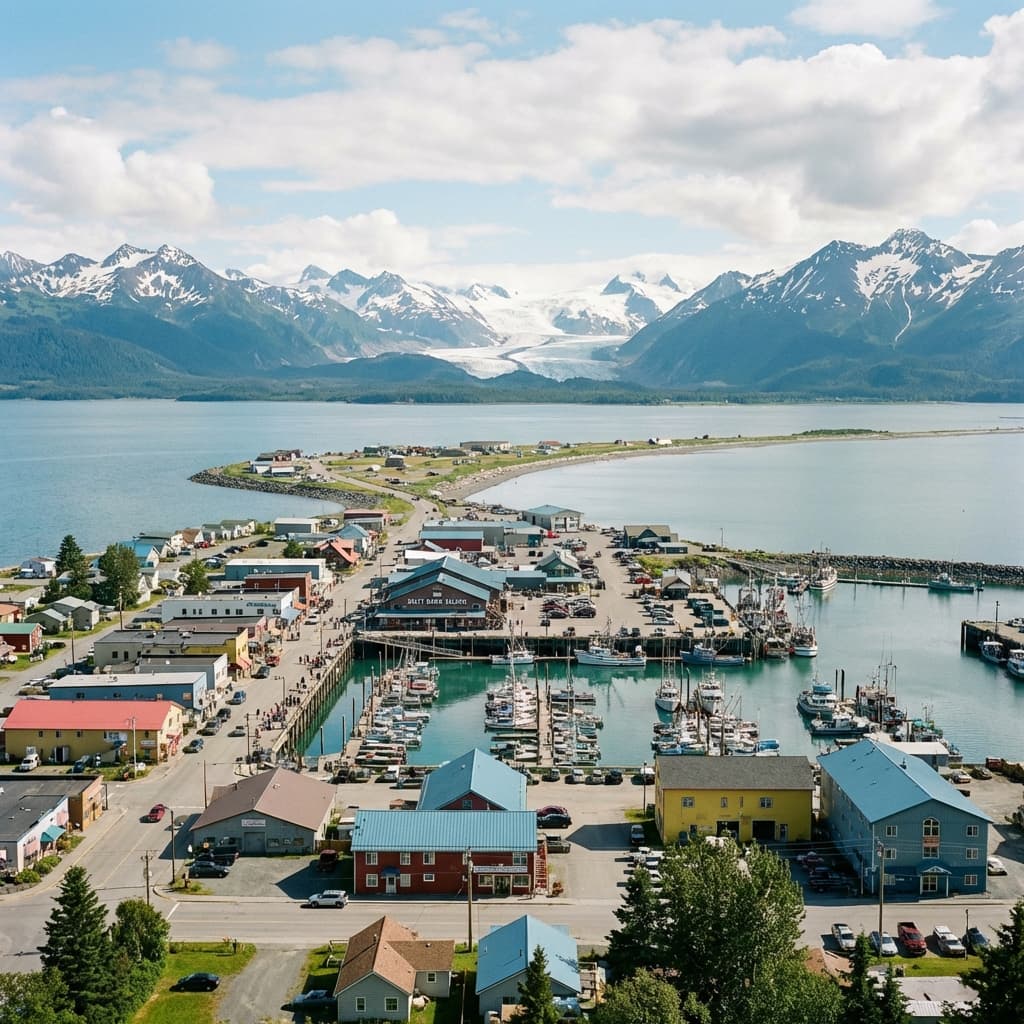
Homer, Alaska
Heavens Gate Charters is a Homer Alaska fishing charter company. We specialize in fishing for halibut, salmon and rockfish in Kachemak Bay and Cook Inlet. Our experienced captain and crew will guide you on a fishing trip of a lifetime! Our six pack boat is perfect for both beginner and experienced anglers. We strive to make every charter a trip of a lifetime! Book your seats today.
Sea Shift Sportfishing
Bodega Bay, California
Bodega Bay Sportfishing Center - Sea Shift , Fort Bragg and SF. Specializing in Salmon, Halibut, Crab, Tuna Rockfish and Lingcod. Fishing Reports Available
Pole Dancin Sportfishing
Bodega Bay, California
Book your next fishing charter aboard a 27’ North River with high quality fishing gear, specializing in salmon, rock fish, lingcod and crab off the Bodega Bay coast
Pacific Fresh
Santa Cruz, California
PacificFresh specializes in wild troll-caught pacific fresh seafood including King Salmon, California Halibut, Lingcod and Pacific Snapper.
Plan a Salmon Fishing Trip
Find the best times and places to catch Salmon, and get matched with experienced guides.
Best Time to Catch Salmon
Peak months for Salmon fishing across the US.
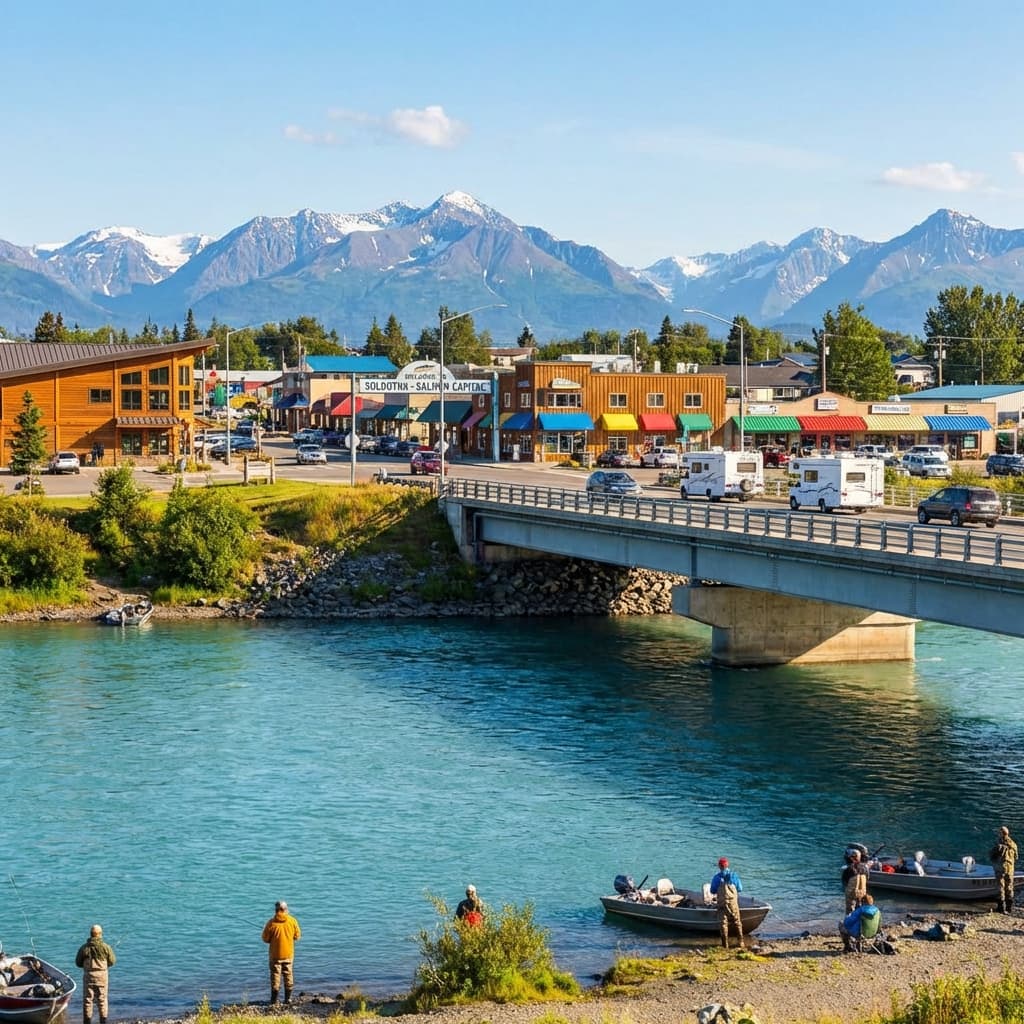
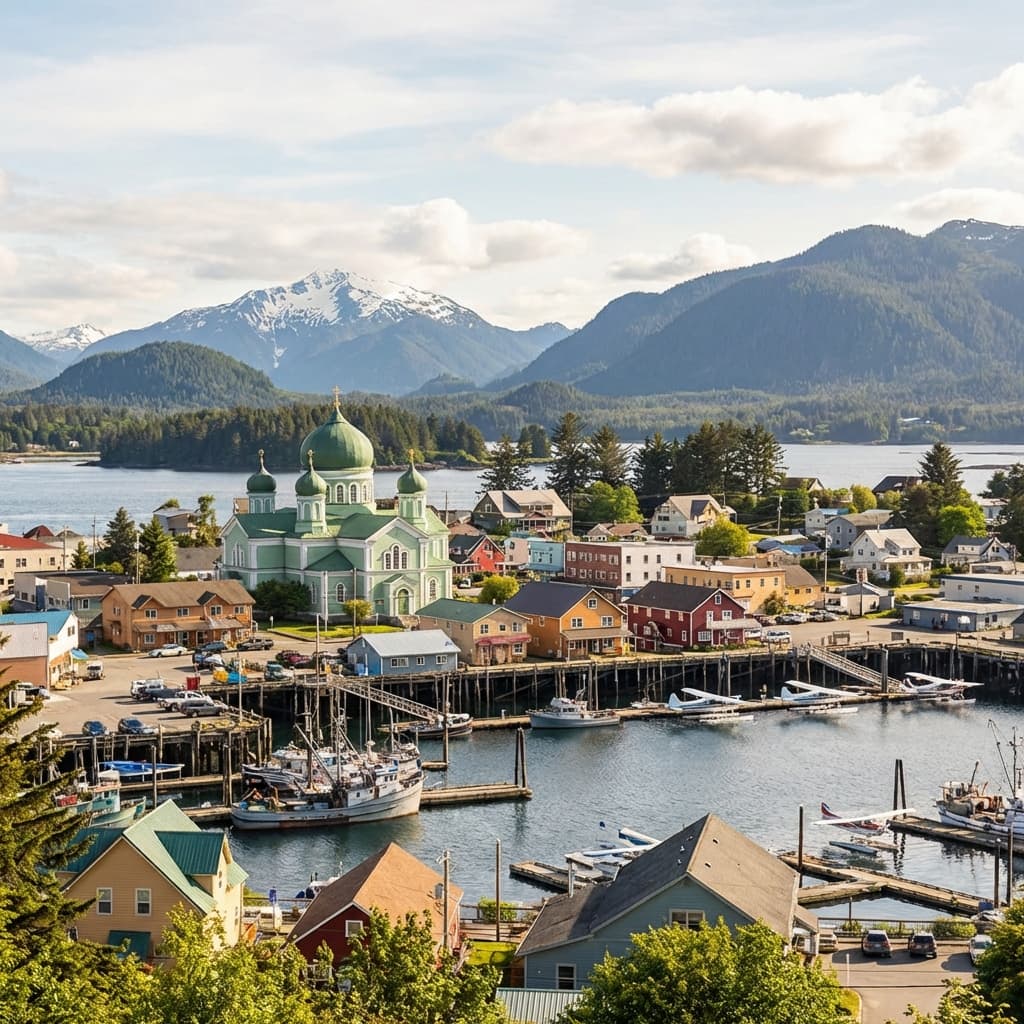
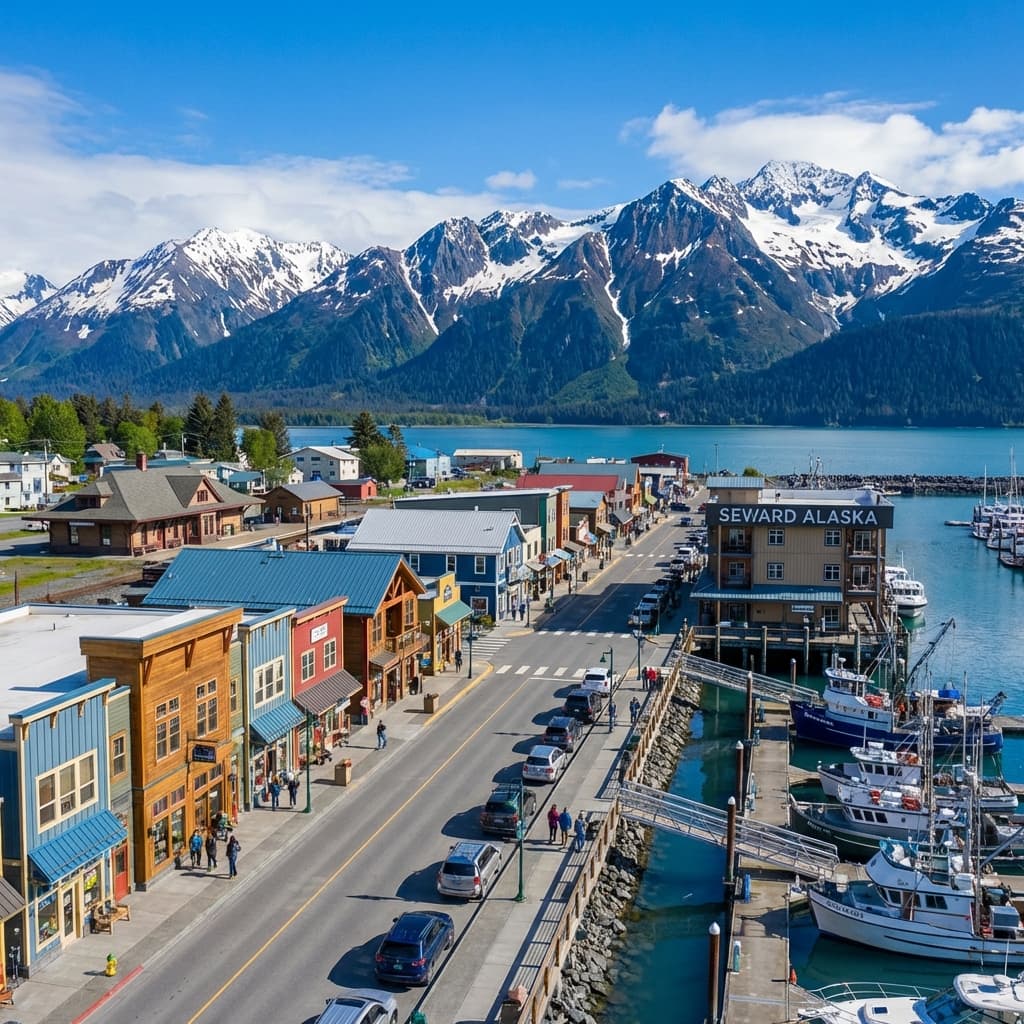
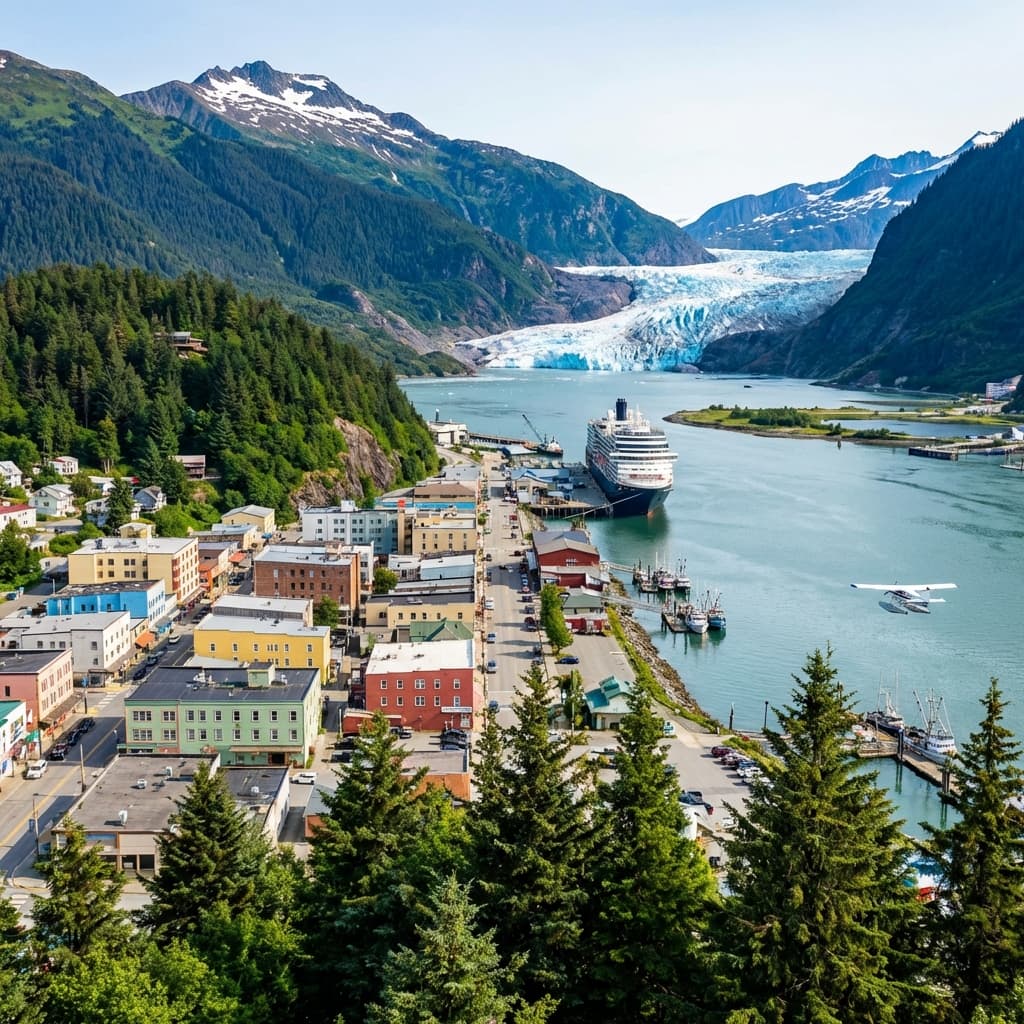
Best Places to Catch Salmon
Top 6 cities ranked by guide availability and species data quality.
States Where Salmon Are Found
Alabama
View guide →

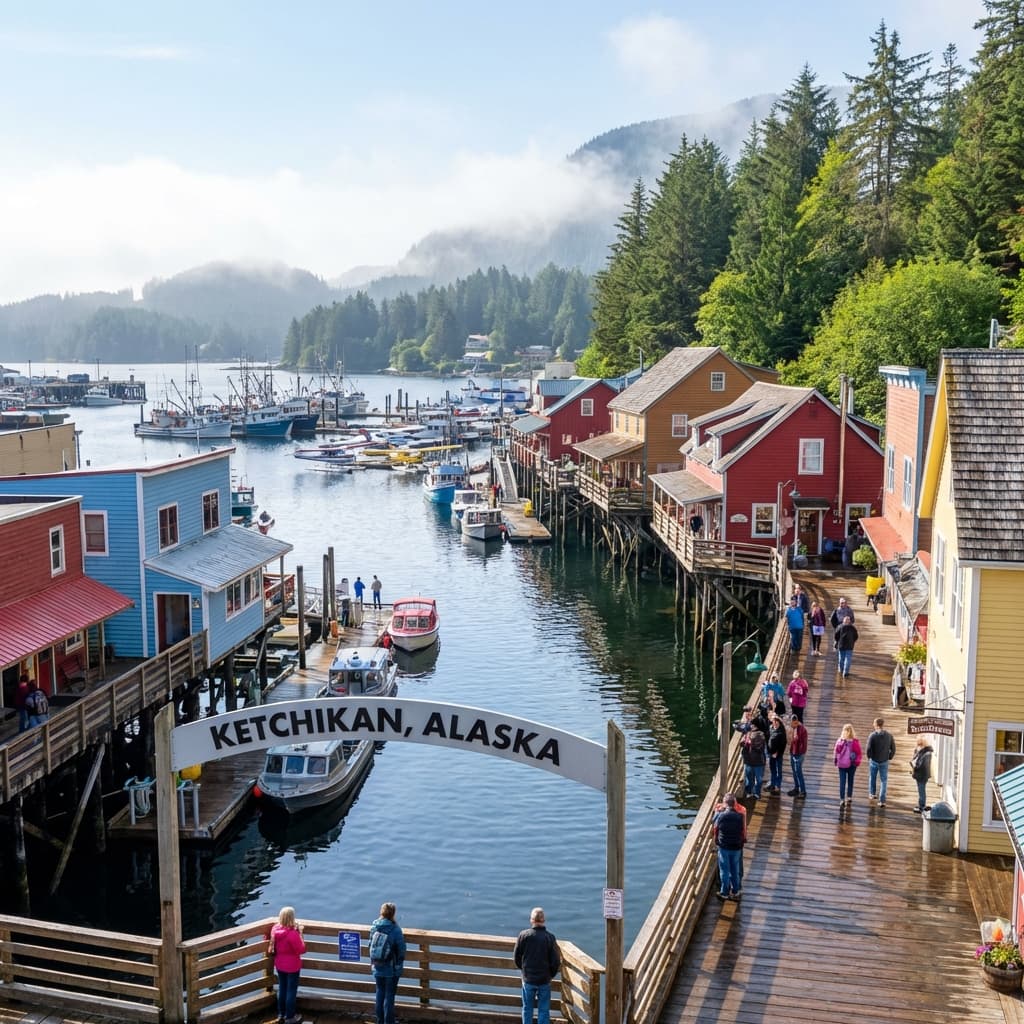
Alaska
View guide →
California
View guide →
Connecticut
View guide →
Delaware
View guide →
Florida
View guide →
Georgia
View guide →
Hawaii
View guide →
Louisiana
View guide →
Maine
View guide →
Maryland
View guide →
Massachusetts
View guide →
Mississippi
View guide →
New Hampshire
View guide →
New Jersey
View guide →
New York
View guide →
North Carolina
View guide →
Oregon
View guide →
Rhode Island
View guide →
South Carolina
View guide →

Texas
View guide →
Virginia
View guide →
Washington
View guide →
Top Locations for Salmon
Seasonal Activity Chart
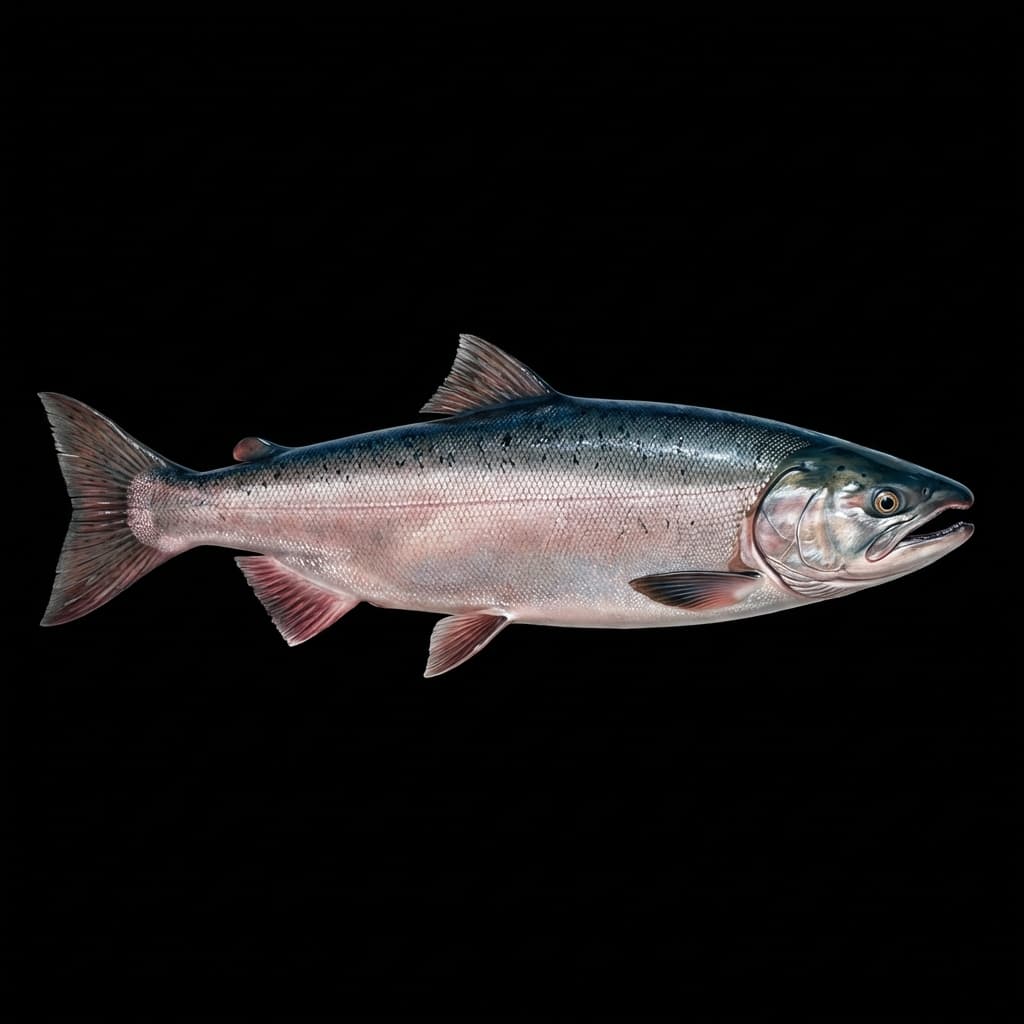
Salmon
Salmo salar
Also known as: Atlantic Salmon, King Salmon, Chinook Salmon, Coho Salmon, Silver Salmon
Salmon are anadromous fish, meaning they're born in freshwater, migrate to the ocean to grow, and return to freshwater to spawn. This incredible journey, coupled with their fighting ability and delicious flavor, makes them a highly sought-after species for anglers. Several species of salmon exist, each with its unique characteristics and distribution, including Chinook (King), Coho (Silver), Sockeye (Red), Pink (Humpy), and Chum (Dog) salmon. Salmon are found in both the Atlantic and Pacific Oceans, and their spawning runs attract anglers to rivers and streams across North America, from Alaska to the Great Lakes.
Effective techniques for catching salmon vary depending on the location and time of year. Fly fishing is a popular method, especially during spawning runs, using brightly colored flies that imitate salmon eggs or other food sources. Trolling with spoons, spinners, or plugs is also effective in both rivers and lakes. Bait fishing with salmon eggs, worms, or shrimp can be productive in slower-moving waters. Spinning with lures like spinners and spoons is a versatile approach that can be used in a variety of conditions. Drift fishing, where bait or lures are allowed to drift naturally with the current, is another common technique. The tackle used should be matched to the size of the salmon being targeted, typically ranging from medium to heavy action rods and reels.
Salmon fishing is highly seasonal, with the best times of year coinciding with their spawning runs. In the Pacific Northwest, these runs typically occur from late summer through fall. In the Great Lakes, salmon runs often peak in the fall as well. During these times, salmon congregate in rivers and streams, making them more accessible to anglers. Water conditions can also influence salmon behavior; clear, cold water is generally preferred, but rising water levels after rainfall can sometimes trigger increased activity. Understanding the specific timing of the salmon runs in your area is crucial for success.
For beginners, start by researching the salmon runs in your local area and consulting with experienced anglers or local tackle shops. Look for areas where salmon are known to congregate, such as near dams, waterfalls, or confluences. Practice proper casting techniques and learn how to identify different salmon species. Be patient and persistent, as salmon fishing can sometimes be challenging. Always check local regulations regarding fishing seasons, size limits, and gear restrictions. Respect the environment and practice responsible angling to help ensure the sustainability of salmon populations.
How to Catch Salmon
Frequently Asked Questions
When is the best time to catch Salmon?
Across the US, the best months for Salmon are generally April, May, October, though timing shifts by state.
Where can you catch Salmon in the US?
Salmon is found in 23 states, including Alabama, Alaska, California, Connecticut, Delaware, Florida. Pick a state to see local guides and regulations.
Is Salmon a freshwater or saltwater fish?
Salmon is a both species.
What else is Salmon called?
Salmon (Salmo salar) is also known as Atlantic Salmon, King Salmon, Chinook Salmon, Coho Salmon.