How to Catch Mutton Snapper
Best places, best times, and expert guides for mutton snapper fishing.
Featured Mutton Snapper Guides
Expert captains ready to take you on your next Mutton Snapper adventure.
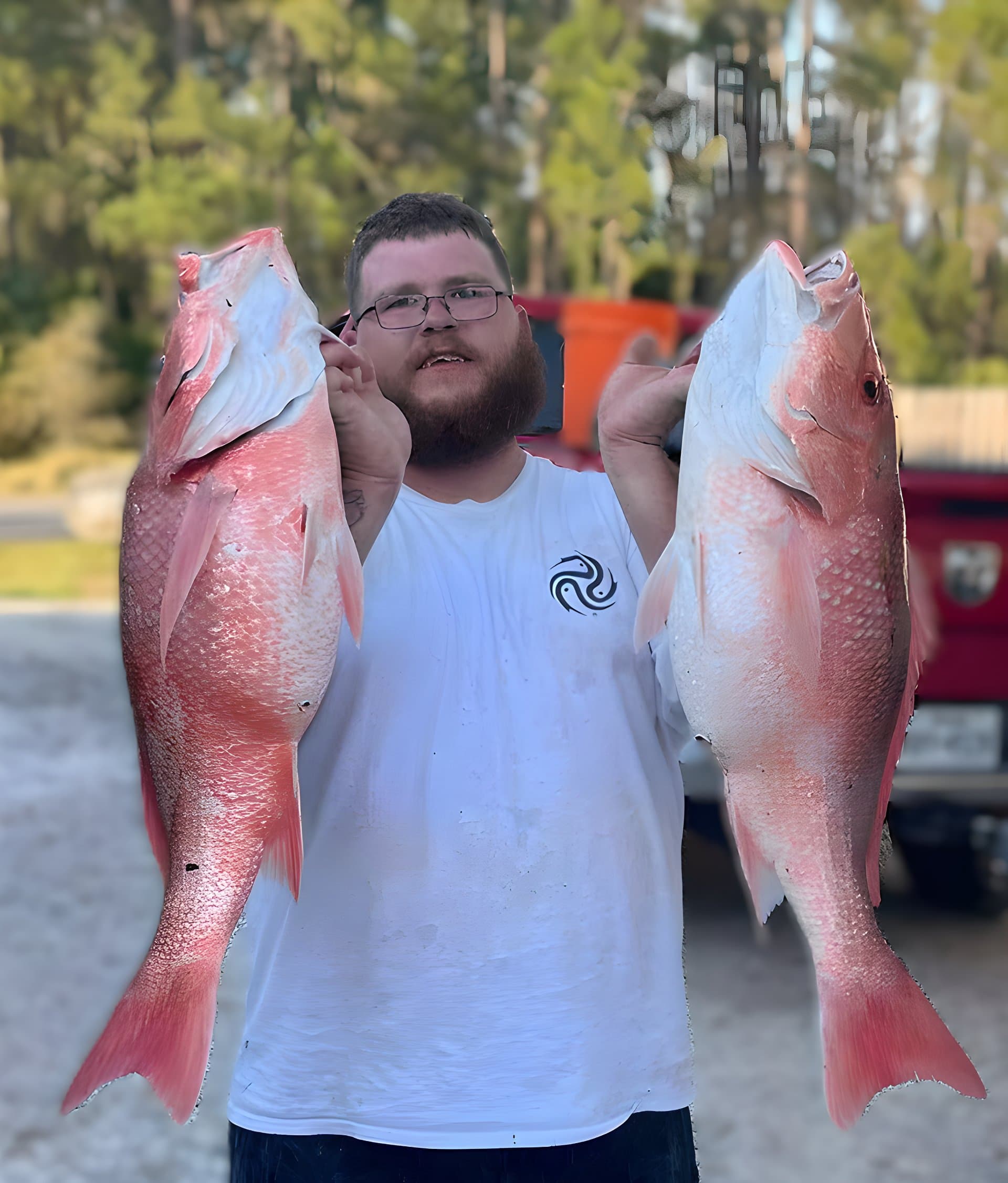
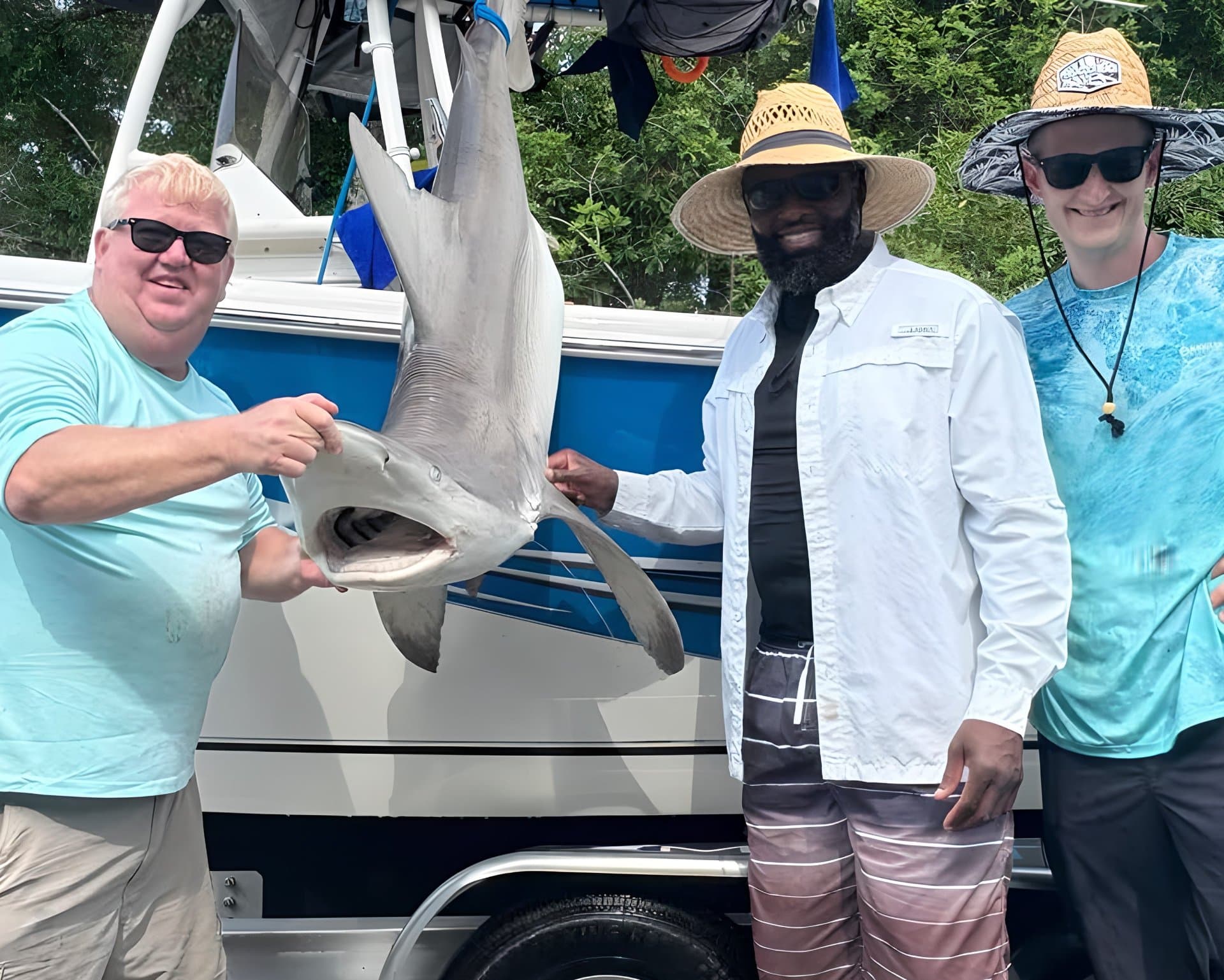
Nauti Girl Sportfishing
Palm Bay, FL
Captain Scott has been fishing Sebastian Inlet and the Space & treasure Coast since he moved here in 2002. But this is how his story started out, he saw the movie "Jaws" in June 1975 and found his calling, He started fishing along the Carolina coast and Gulf Stream at the age of 13. He fished around the world for 12 years in the US Navy, where he earned his 100 ton USCG Masters License. In 1993 in Port Aransas, Texas he was mentored by Captain Reese Green of Bill Buster's Sportfishing and he later went on to win some of the biggest fishing tournaments in the world. Island Mooring Pro Billfish Tournament 1993 and 1994 1997 Watermelon Classic Billfish Tournament 1997 Poco Bueno Blue Marlin Classic Texas Invitational Fishing Tournament 1995 Texas Women’s Anglers Tournament 1998 & 1999 Sharkey’s Pro Big Shark Tournament 1997-2000 Port Aransas Boatman “Deep Sea Round Up” 1997, 1999 and 2000 2007 Orange Beach Pro Billfish Tournament 2008 North Carolina Wahoo Shoot-Out He started Pure Pleasure Fishing in 1995 and ran it until 2003, when he moved to Melbourne, Florida and honed his skills on fishing Florida’s East Coast. Captain Scott is one of the world's top big shark fishing captains, having caught huge great whites, tiger sharks, mako sharks, bull sharks, hammerheads, blacktips, spinners and many more species. Captain Scott has caught 8 different species of billfish around the world, loves trolling and tuna fishing, bottom fishing, jigging and deep dropping. Captain Scott has caught 4 grander fish in his life (black marlin, mako shark, tiger shark and a great white). He has over a thousand + fish greater than 100 pounds boated under his skillful watch from wahoo, to blue and yellowfin tuna, thousands of sharks and many a blue marlin. Captain Scott is just missing a spearfish for his bucket list. Scott is a power production electrical engineer University of Texasand proud Long Horn. He works US Government civil service for the USAF with a TS-SCI Clearance and is retiring soon to pursue his love of fishing one last time. We are a veteran-owned company and offer Veteran and Military discounts
Florida Keys Island Fishing Charters
About The Captain Captain Tony, a seasoned guide, offers unique fishing charters around Big Pine Key and Bahia Honda Key. With a passion for mutton snapper, yellowtail snapper, tarpon, and sharks, he provides unforgettable experiences on the water. Note from Captain Tony Hi, I’m Captain Tony. Originally from the Jersey Shore, I grew up in…
Plan a Mutton Snapper Fishing Trip
Find the best times and places to catch Mutton Snapper, and get matched with experienced guides.
Best Time to Catch Mutton Snapper
Peak months for Mutton Snapper fishing across the US.
Best Places to Catch Mutton Snapper
Top 6 cities ranked by guide availability and species data quality.
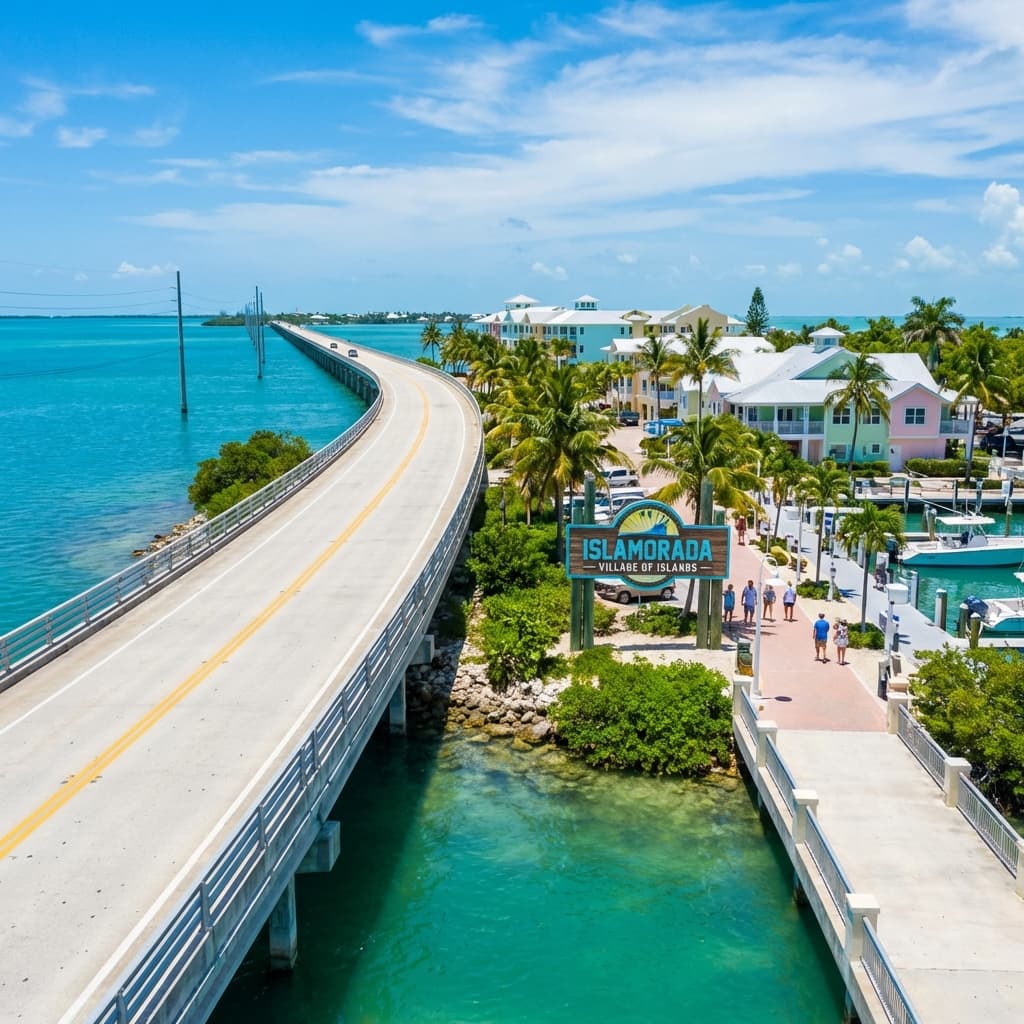
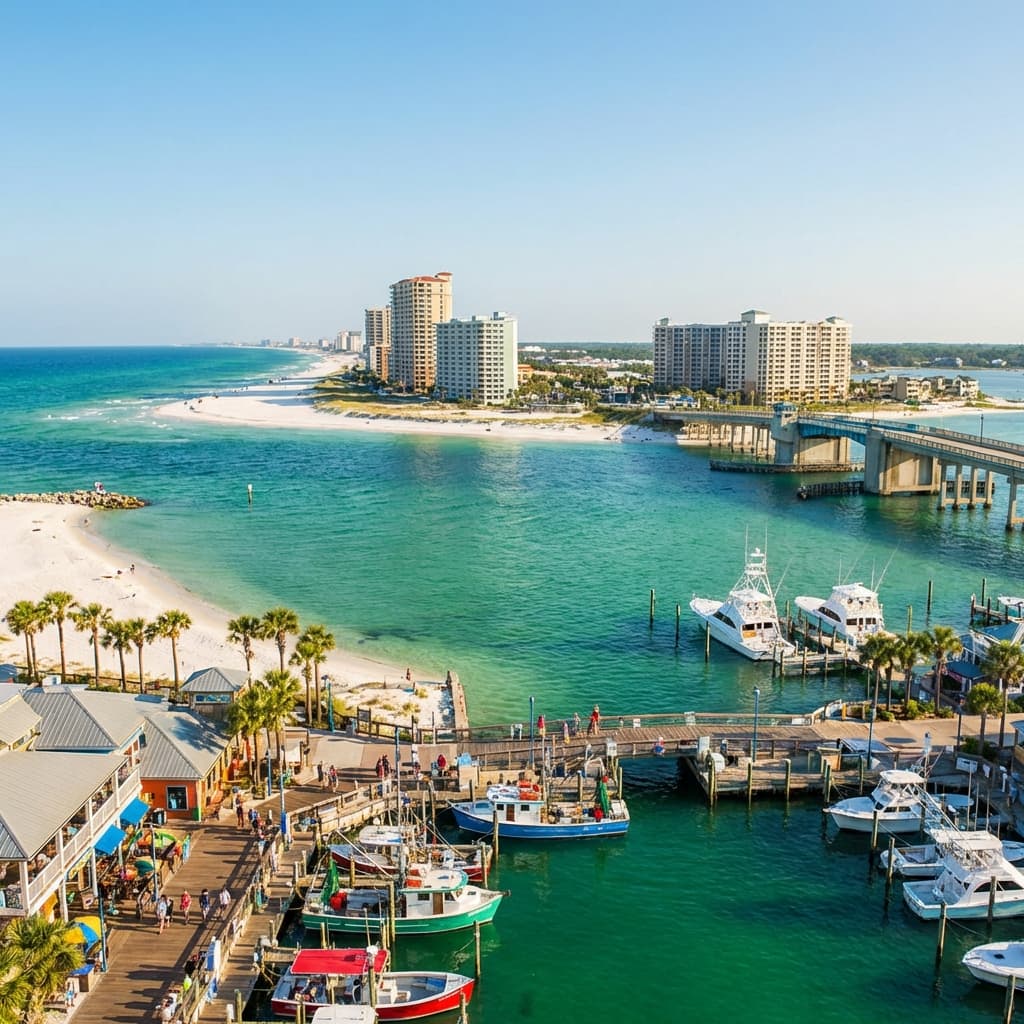
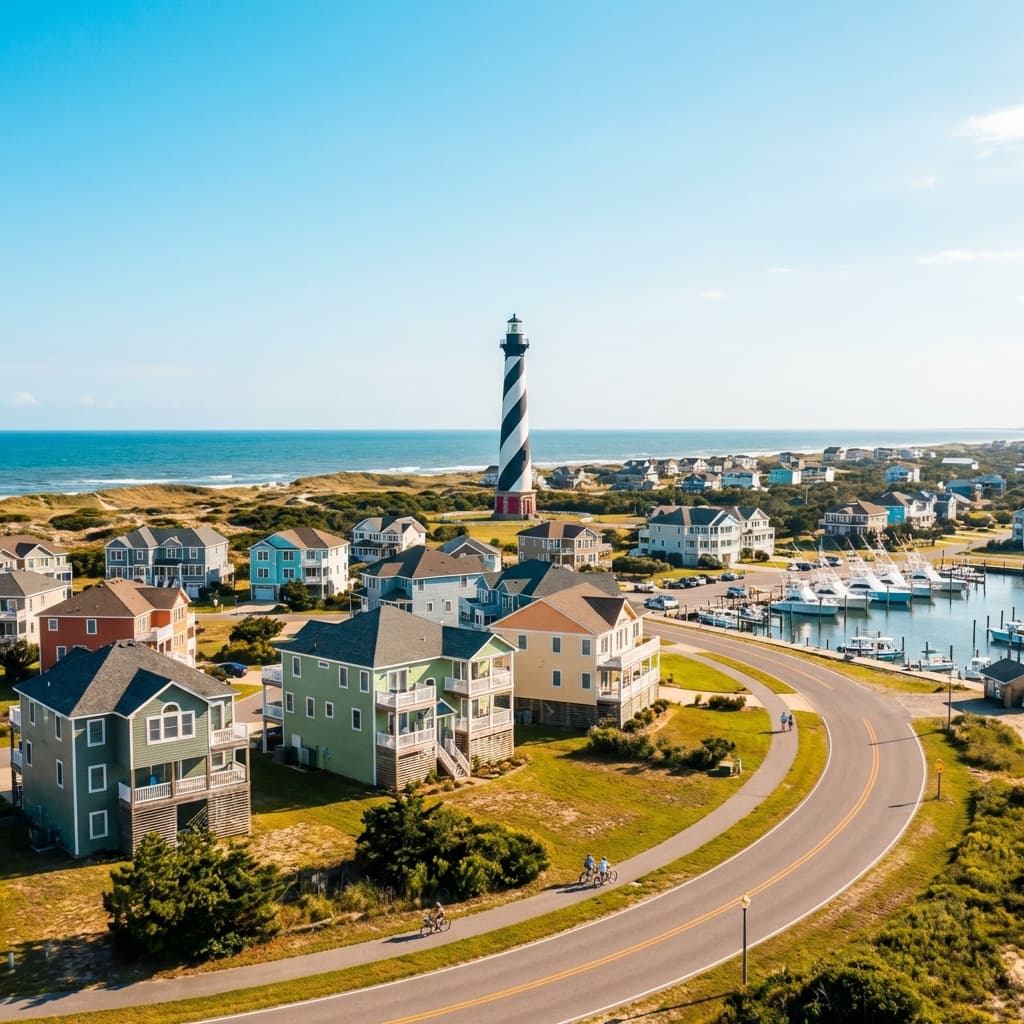
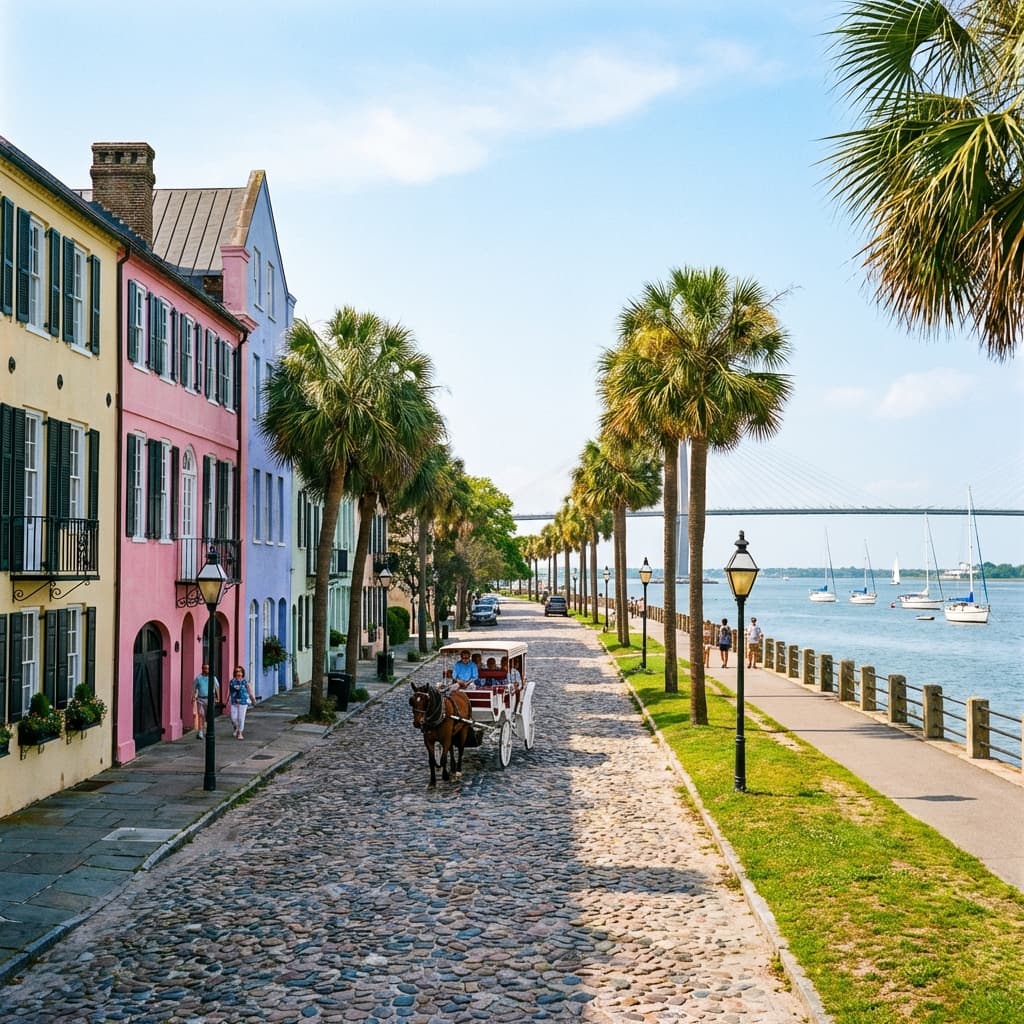
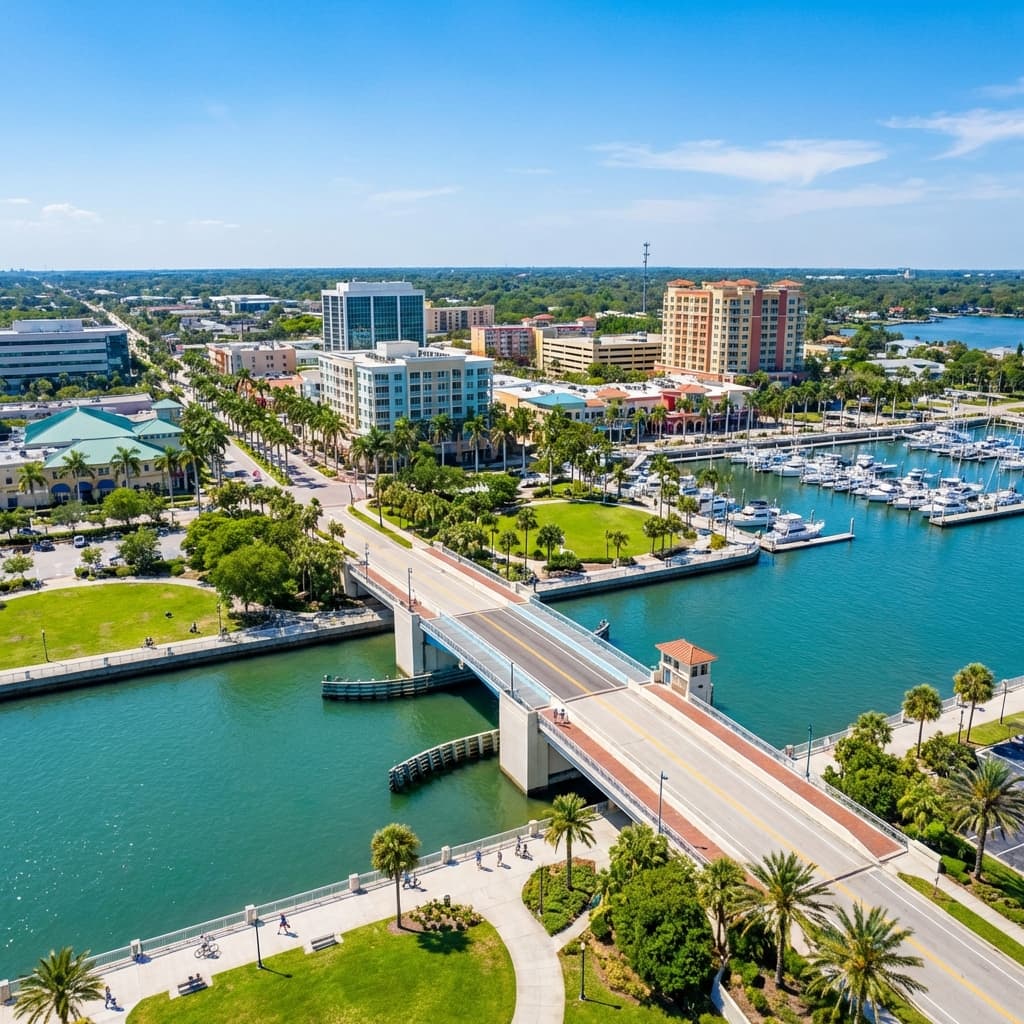
States Where Mutton Snapper Are Found

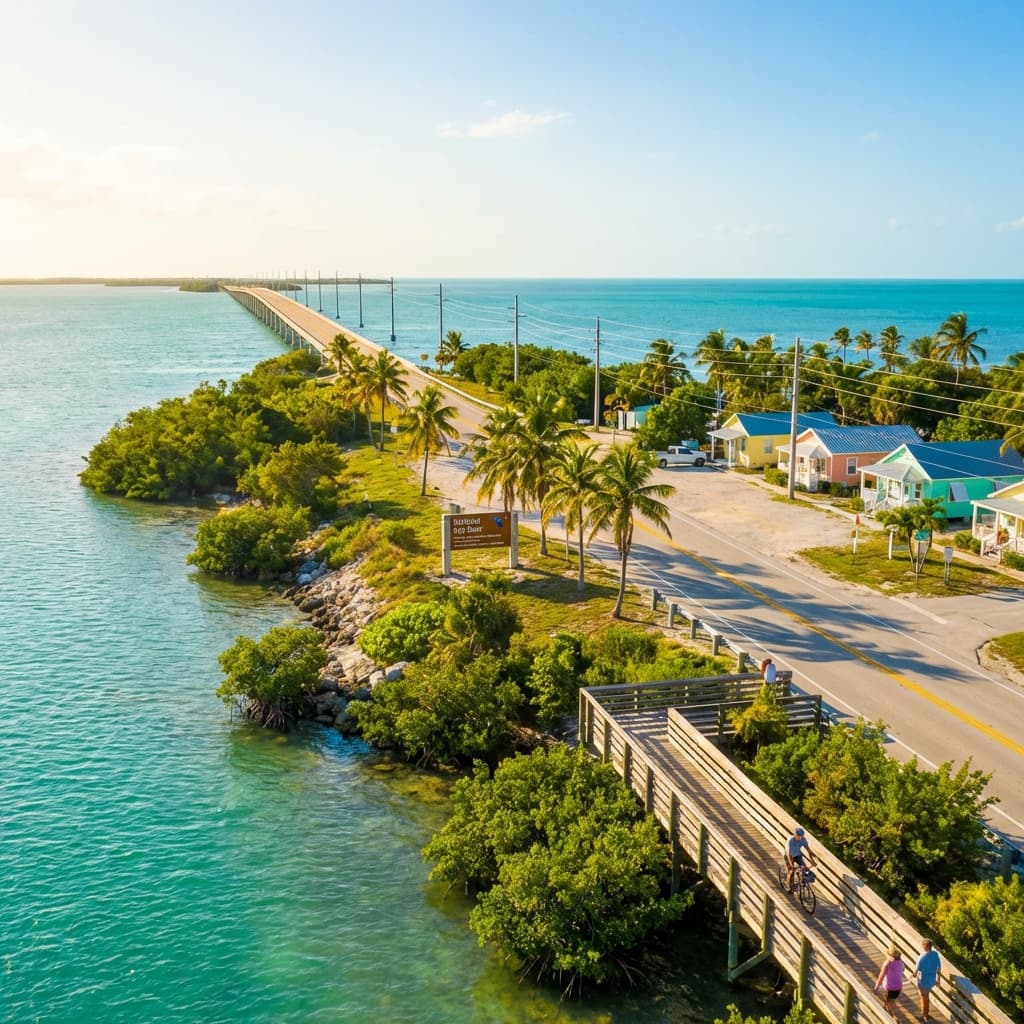
Top Locations for Mutton Snapper
Seasonal Activity Chart
Mutton Snapper
Species mutton_snapper
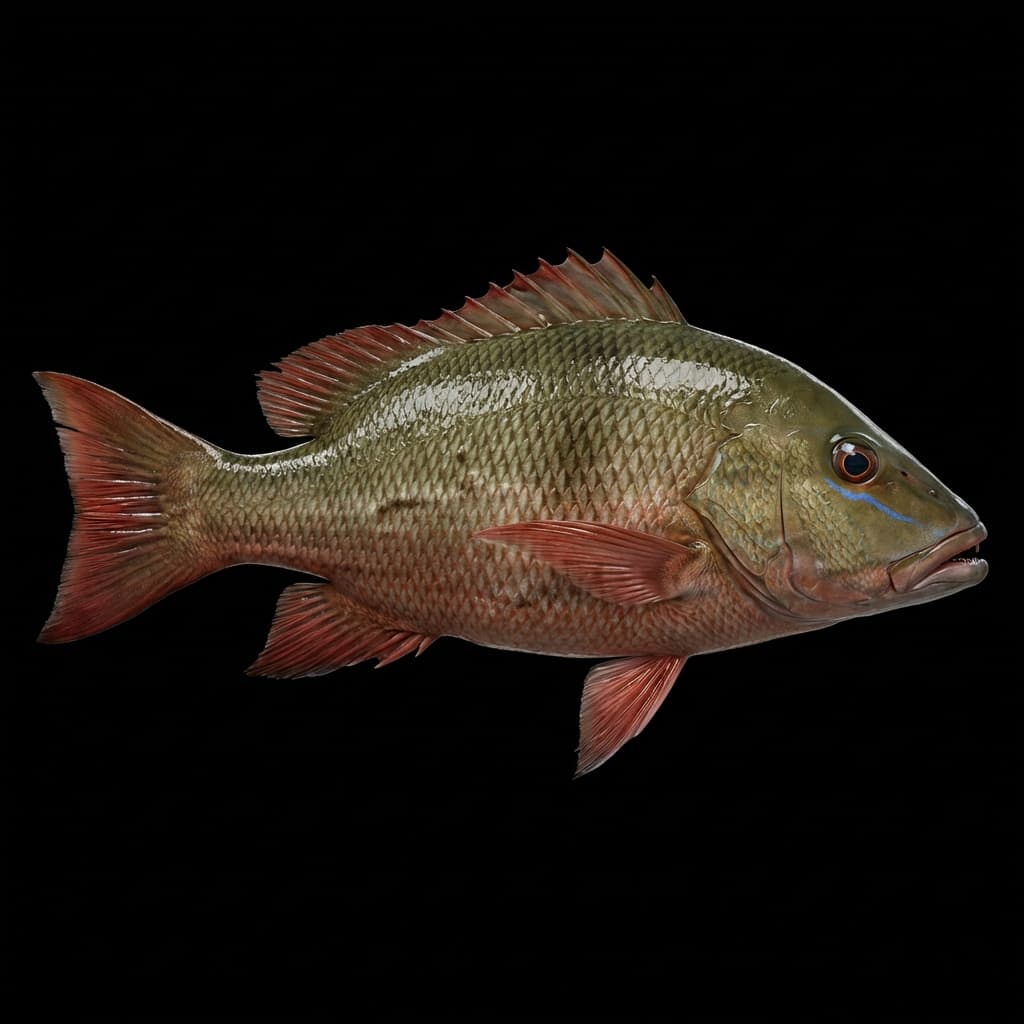
The Mutton Snapper is a prized gamefish found in the warm waters of the western Atlantic Ocean, ranging from North Carolina down through the Caribbean and into Brazil. These fish are known for their vibrant colors, hard-fighting nature, and delicious table fare, making them a highly sought-after target for anglers along the coasts of Florida, particularly in the Keys, as well as in the Carolinas.
Mutton Snapper can be targeted using a variety of techniques, including bottom fishing, trolling, and sight casting. Bottom fishing with live or cut bait around reefs, wrecks, and rocky structures is a productive method. Popular bait choices include pinfish, grunts, and squid. Trolling with deep-diving lures or rigged ballyhoo can also be effective, especially in areas with strong currents. Sight casting with artificial lures like jigs and soft plastics is a thrilling way to target Mutton Snapper in clear, shallow waters. A medium to heavy action rod paired with a conventional or spinning reel spooled with 20-30 pound test line is generally suitable.
Mutton Snapper fishing is often best during the warmer months, from spring through fall. These fish tend to congregate around reefs and structures in slightly deeper water during the day, moving into shallower areas to feed at night. Look for areas with strong currents or upwellings, as these often attract baitfish and, in turn, Mutton Snapper. Understanding local regulations and size limits is crucial, as Mutton Snapper populations can be vulnerable to overfishing.
If you're new to Mutton Snapper fishing, start by focusing on areas with known reef or wreck structures. Look for signs of baitfish activity, such as birds diving or surface disturbances. When bottom fishing, use just enough weight to hold your bait on the bottom, and be prepared for a strong initial run when a Mutton Snapper takes the bait. Don't be afraid to experiment with different baits and techniques to find what works best in your area. Consider working with a local charter captain on your first few trips to learn the ropes and increase your chances of success.
How to Catch Mutton Snapper
Frequently Asked Questions
When is the best time to catch Mutton Snapper?
Across the US, the best months for Mutton Snapper are generally May, June, July, though timing shifts by state.
Where can you catch Mutton Snapper in the US?
Mutton Snapper is found in 8 states, including Alabama, Florida, Georgia, Louisiana, Mississippi, North Carolina. Pick a state to see local guides and regulations.
Is Mutton Snapper a freshwater or saltwater fish?
Mutton Snapper is a various species.