How to Catch Grouper
Best places, best times, and expert guides for grouper fishing.
Featured Grouper Guides
Expert captains ready to take you on your next Grouper adventure.
Captain Eddie Griffiths Charters
Key West, Florida
Dry Tortugas fishing trips with Andy Griffiths charters out of Key West, Florida. Overnight fishing to Fort Jefferson, Dry Tortugas and Marquesas Keys. Enjoy fishing and diving on your private charter, 2 or 3 day fishing charters for snapper, grouper, mahi mahi, wahoo and more. Best reef and wreck fishing available year round in the Florida Keys and west of Key West near the Dry Tortugas National Park.
Destination Fish Charters
Marco Island, Florida
Danny Fabian is one of Southwest Florida's premier backwater and sport fishermen in Naples and Marco Island, Florida. As a professional fishing quide, Danny specializes in fishing in Everglades National Park and focuses on Snook, Grouper, Tarpon, Trout, Redfish.
Top Priority Charters
Sarasota, Florida
deep sea sarasota,Casey Key , inshore tarpon, grouper family fishing charters out of Venice, Siesta Key, Sarasota, Englewood and Casey Key Florida with Top Priority Fishing Charters
High Tailin’ Offshore Fishing Charters
Cape Canaveral, Florida
Port Canaveral Fishing Charter For Sailfish, Mahi, Barracuda, Wahoo, King Mackeral, Cobia, Amberjack, Grouper and Snapper. Port Canaveral, Space Coast
Plan a Grouper Fishing Trip
Find the best times and places to catch Grouper, and get matched with experienced guides.
Best Time to Catch Grouper
Peak months for Grouper fishing across the US.
Best Places to Catch Grouper
Top 6 cities ranked by guide availability and species data quality.
States Where Grouper Are Found

Top Locations for Grouper
Seasonal Activity Chart
Grouper
Species grouper
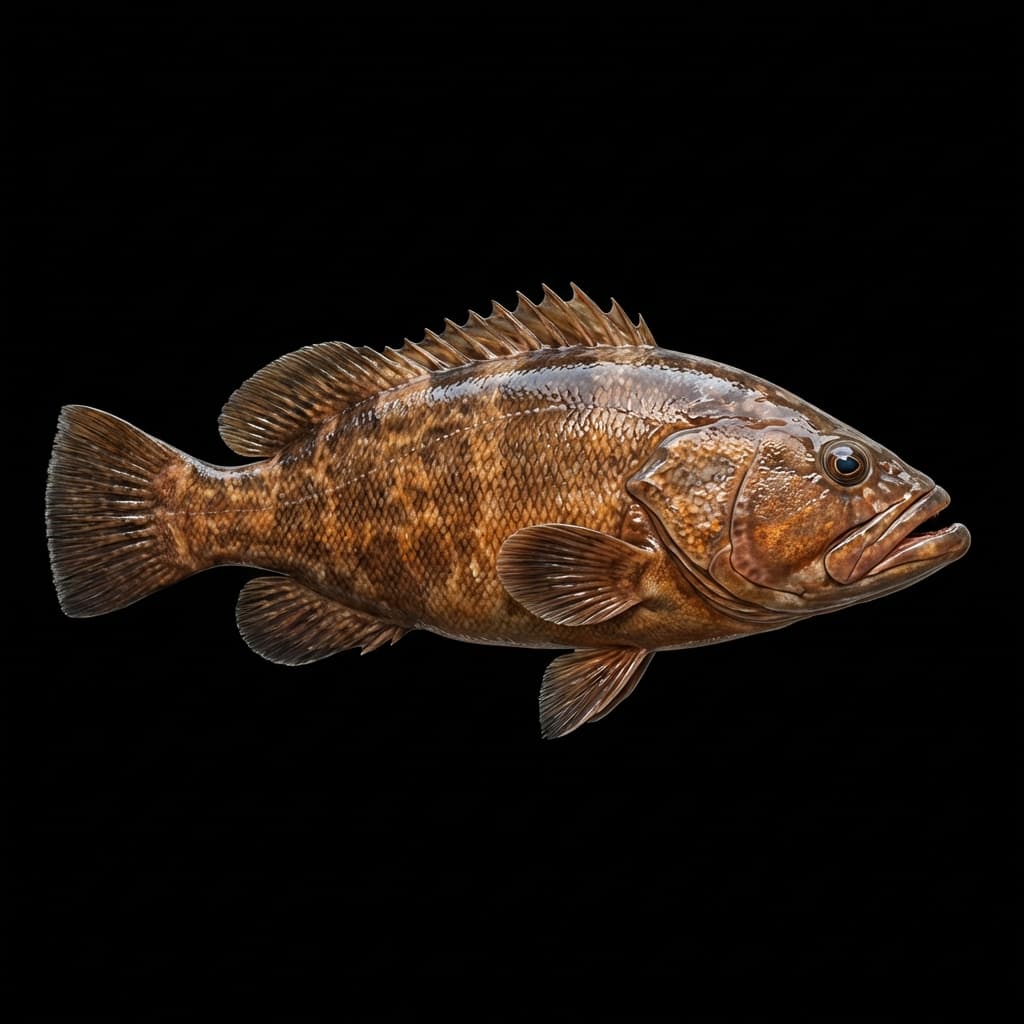
Grouper are a prized saltwater gamefish known for their powerful fights and delicious table fare. Found in the warm waters of the Atlantic Ocean and Gulf of Mexico, particularly around Florida, South Carolina, and North Carolina, these bottom-dwelling predators offer a challenging and rewarding fishing experience. From the shallow-water grouper species to the larger, deep-water varieties, there's a grouper out there for every angler seeking a trophy catch.
Effective grouper fishing techniques often involve bottom fishing with heavy tackle and live or dead bait. Popular baits include pinfish, grunts, and squid. Anglers often use conventional reels spooled with heavy braided line and sturdy rods designed to handle the powerful runs of these fish. Dropping baits near reefs, wrecks, and other underwater structures is key. Jigging with large bucktail jigs or metal jigs can also be effective, especially in deeper water. Circle hooks are often recommended to prevent gut-hooking and promote successful catch-and-release.
Grouper fishing seasons and regulations vary by species and location, so it's essential to check local guidelines before heading out. Generally, the warmer months, from spring through fall, are the most productive times to target grouper. During this period, they are more active and readily available in shallower waters. Water temperature plays a crucial role in their behavior, so pay attention to weather patterns and water conditions. Knowing the tides and currents can also help you locate areas where grouper are feeding.
For beginners, consider starting with smaller grouper species in shallower waters. Look for areas with rocky bottoms or artificial reefs. Hiring a local charter captain can greatly increase your chances of success, as they possess valuable knowledge of local fishing spots and techniques. Be prepared for a tough fight, and make sure your tackle is up to the task. Always handle grouper with care, especially if you plan to release them. Use a dehooker to minimize stress and avoid removing their protective slime coat.
How to Catch Grouper
Frequently Asked Questions
When is the best time to catch Grouper?
Across the US, the best months for Grouper are generally May, June, July, August, September, October, though timing shifts by state.
Where can you catch Grouper in the US?
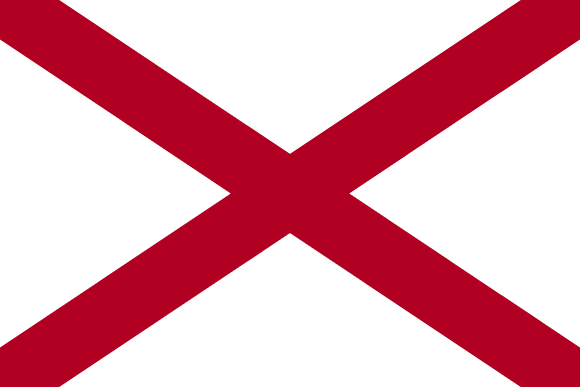
Grouper is found in 8 states, including Alabama, Florida, Georgia, Louisiana, Mississippi, North Carolina. Pick a state to see local guides and regulations.
Is Grouper a freshwater or saltwater fish?
Grouper is a various species.