How to Catch Cutthroat Trout
Best places, best times, and expert guides for cutthroat trout fishing.
Featured Cutthroat Trout Guides
Expert captains ready to take you on your next Cutthroat Trout adventure.
Missoula Fly Water
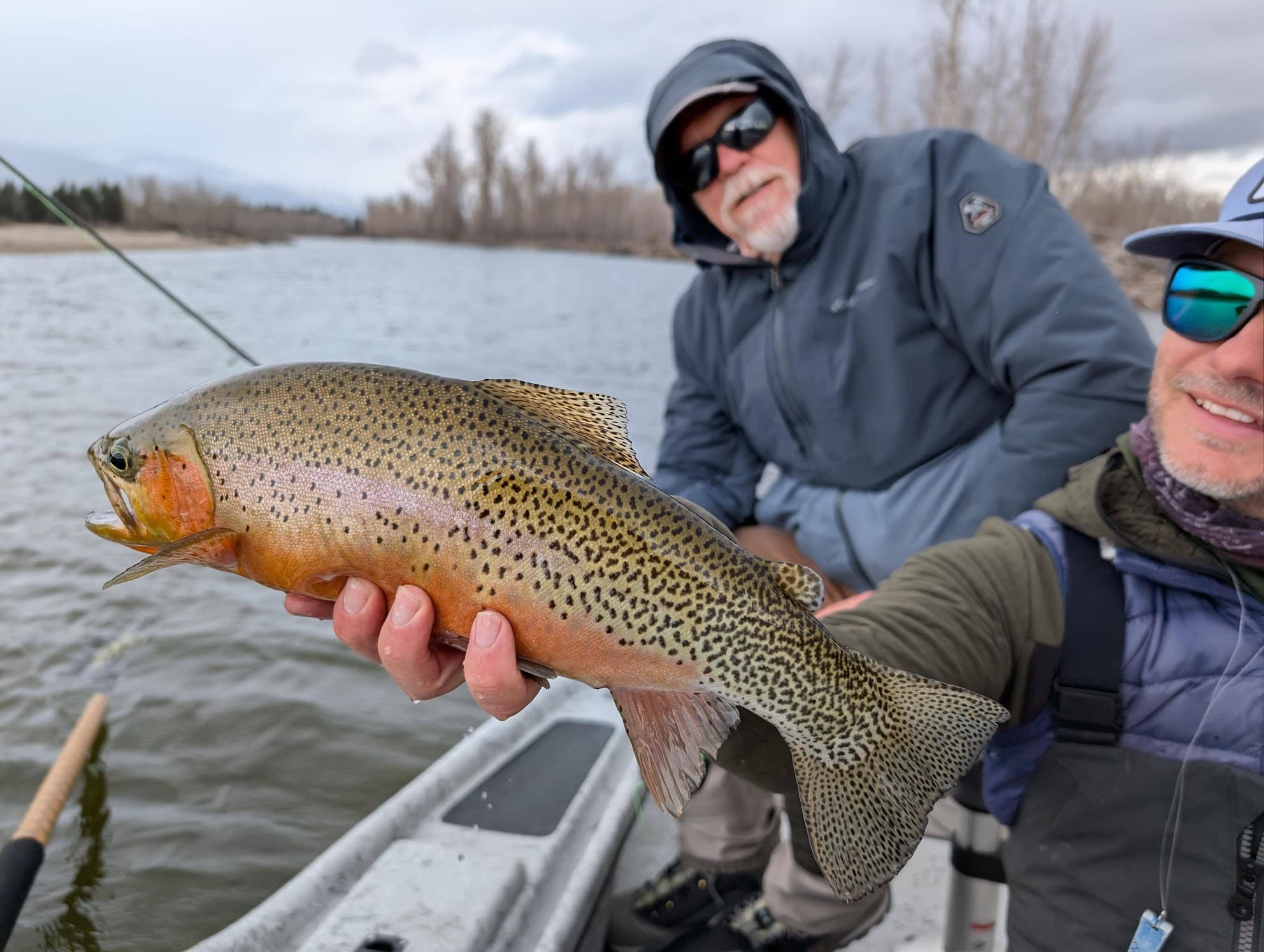
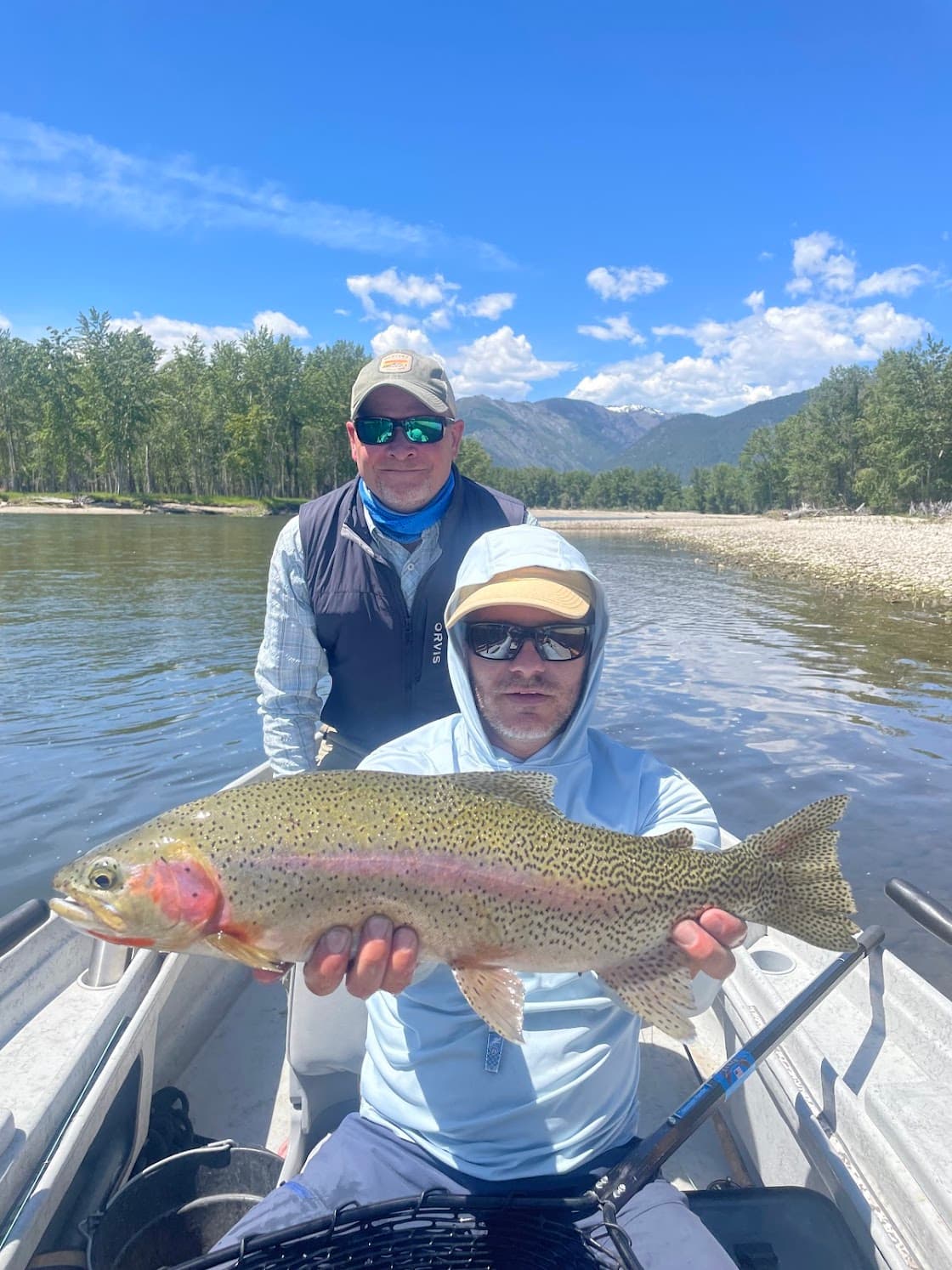
Missoula Fly Water offers guided fly fishing trips in Missoula Montana on the Bitterroot, Blackfoot, Clark Fork, and Missouri Rivers.
R. R. 406 Fly Fishing Guides
Big Hole River is a freestone river in southwestern Montana. It boasts a great populations of wild brown trout, rainbow trout, cutthroat trout, brook trout and arctic grayling. Guided fishing trips are a great way to see the beauty of this river.
Fly Fish Estes Park
Guided Fly Fishing in Beautiful Estes Park Colorado. Explore Rocky Mountain National Park and the surrounding areas with one of our knowledgable local guides. Greenback Cutthroat Trout, Brown Trout, Rainbow Trout and Brooke Trout. Fly Fish, Estes Park, Colorado, Fishing, Guide
Pyramid Fly Co.
Pyramid Fly Co. - Fly fishing guide service and outfitter located at Pyramid Lake, Nevada. Home of the Paiute Tribe and the world's largest Lahontan Cutthroat Trout.
Plan a Cutthroat Trout Fishing Trip
Find the best times and places to catch Cutthroat Trout, and get matched with experienced guides.
Best Time to Catch Cutthroat Trout
Peak months for Cutthroat Trout fishing across the US.
Best Places to Catch Cutthroat Trout
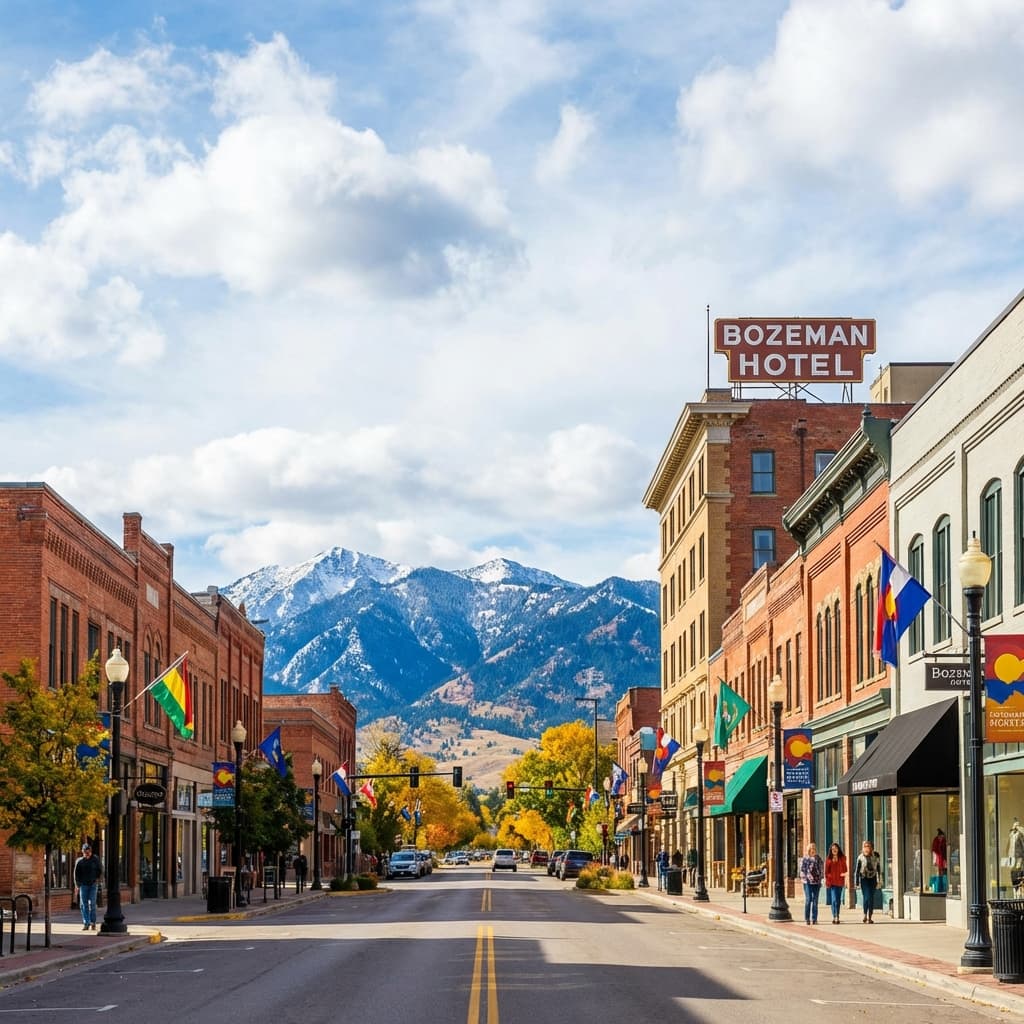
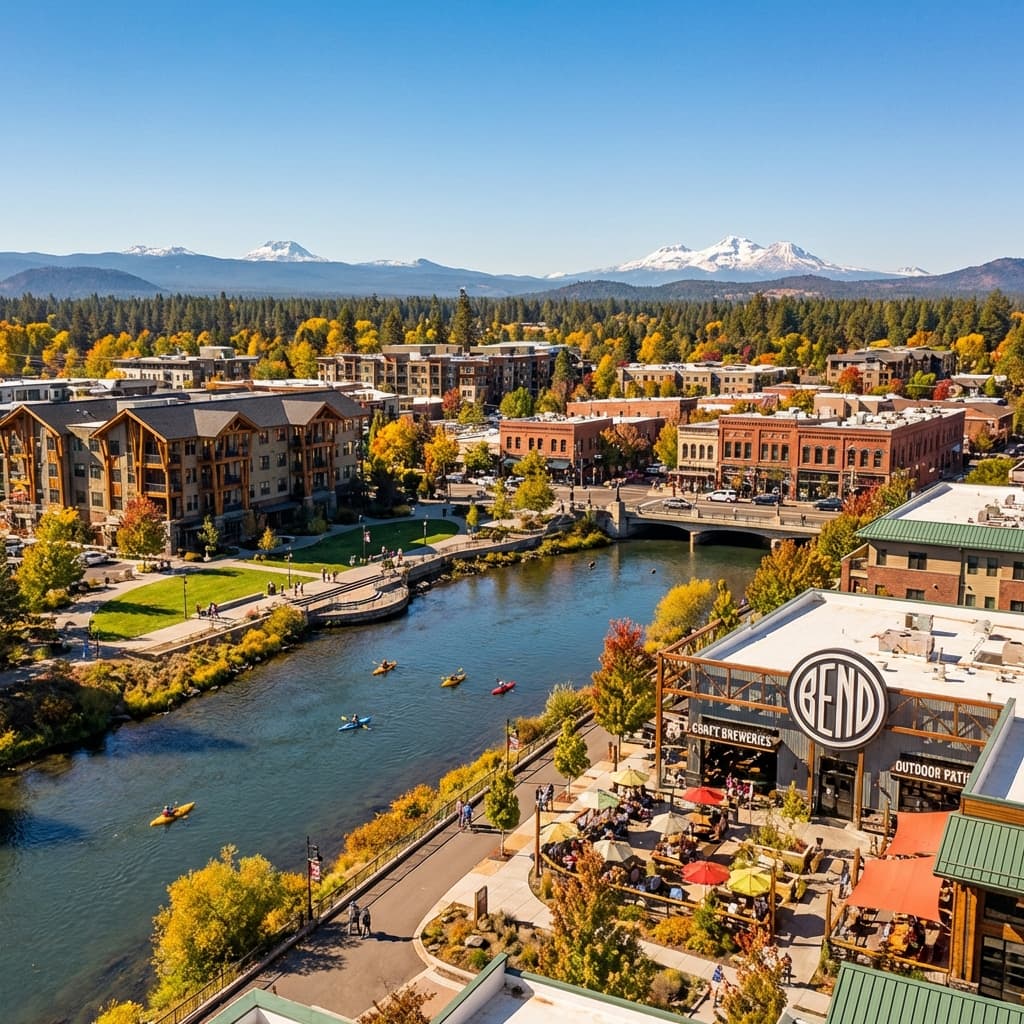
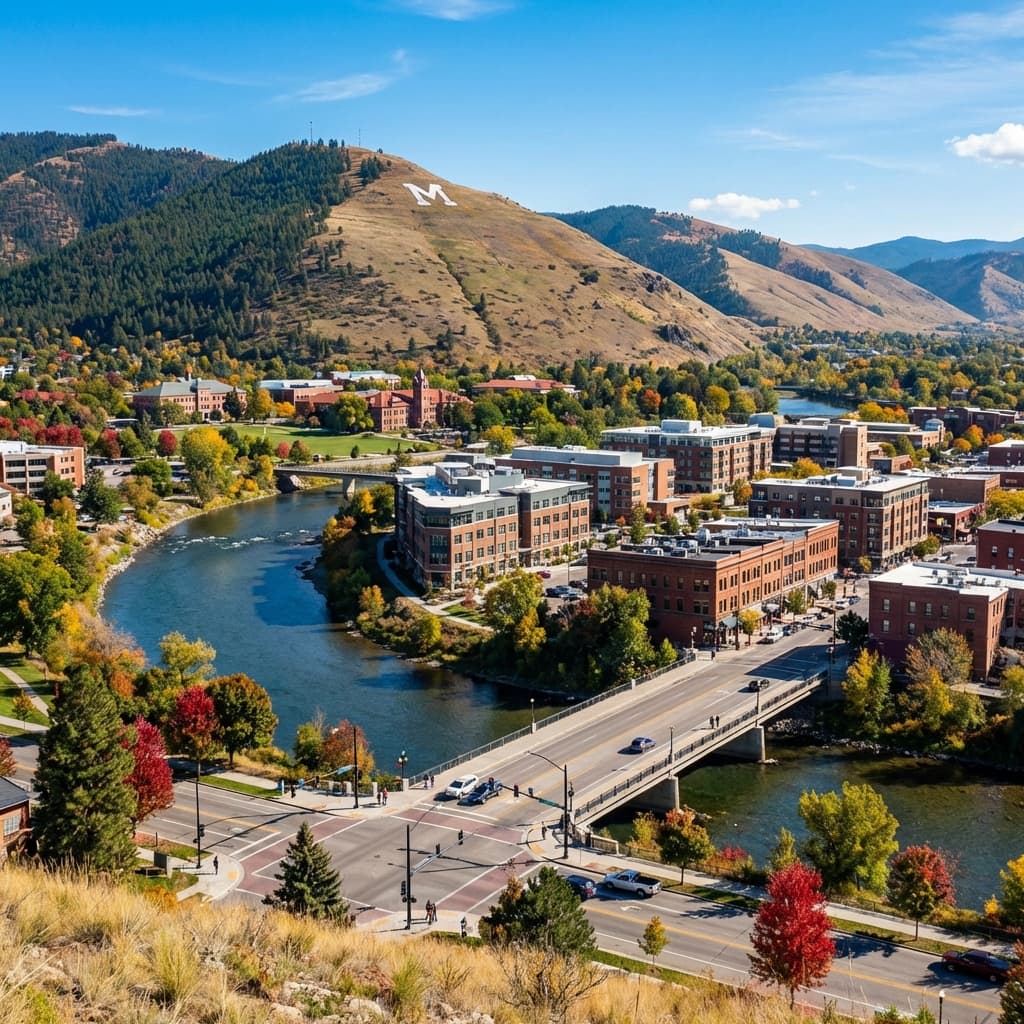
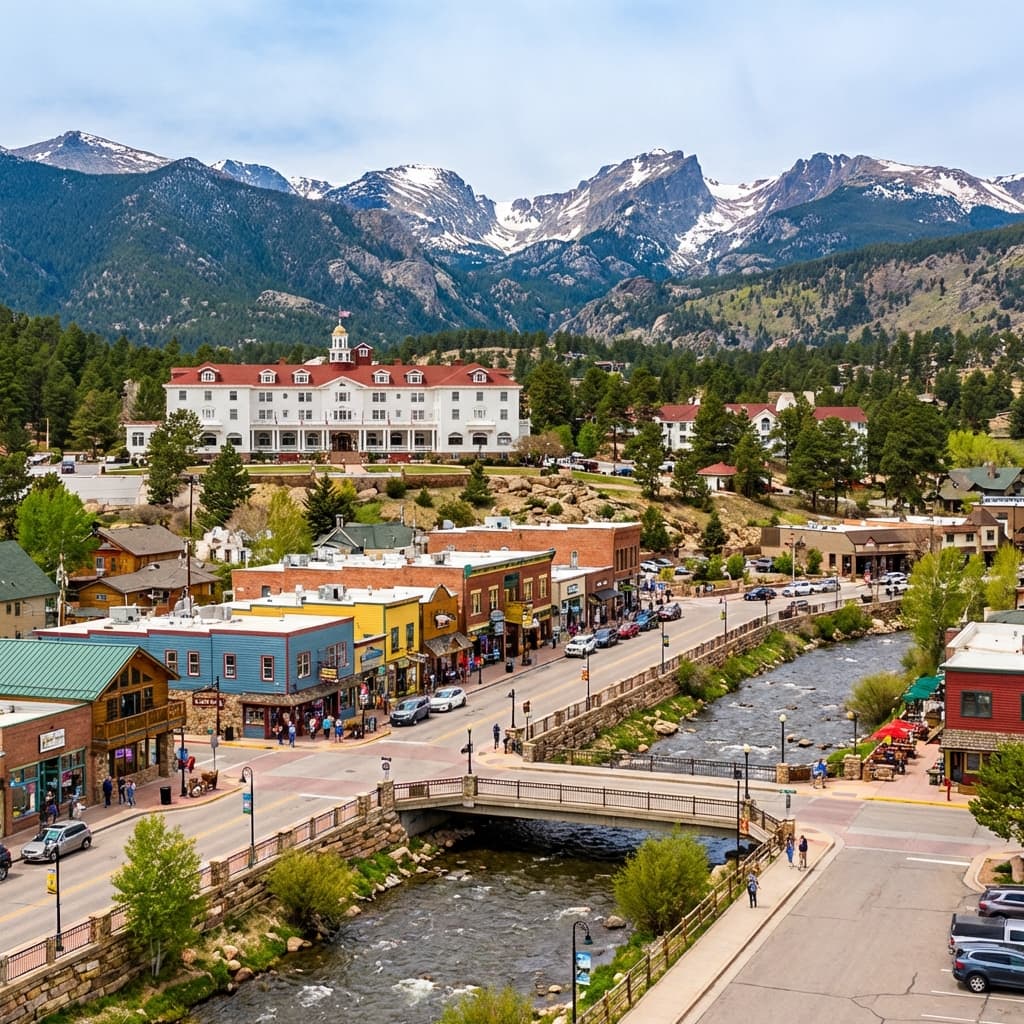
Top 6 cities ranked by guide availability and species data quality.


States Where Cutthroat Trout Are Found
Top Locations for Cutthroat Trout
Seasonal Activity Chart
Cutthroat Trout
Species cutthroat_trout
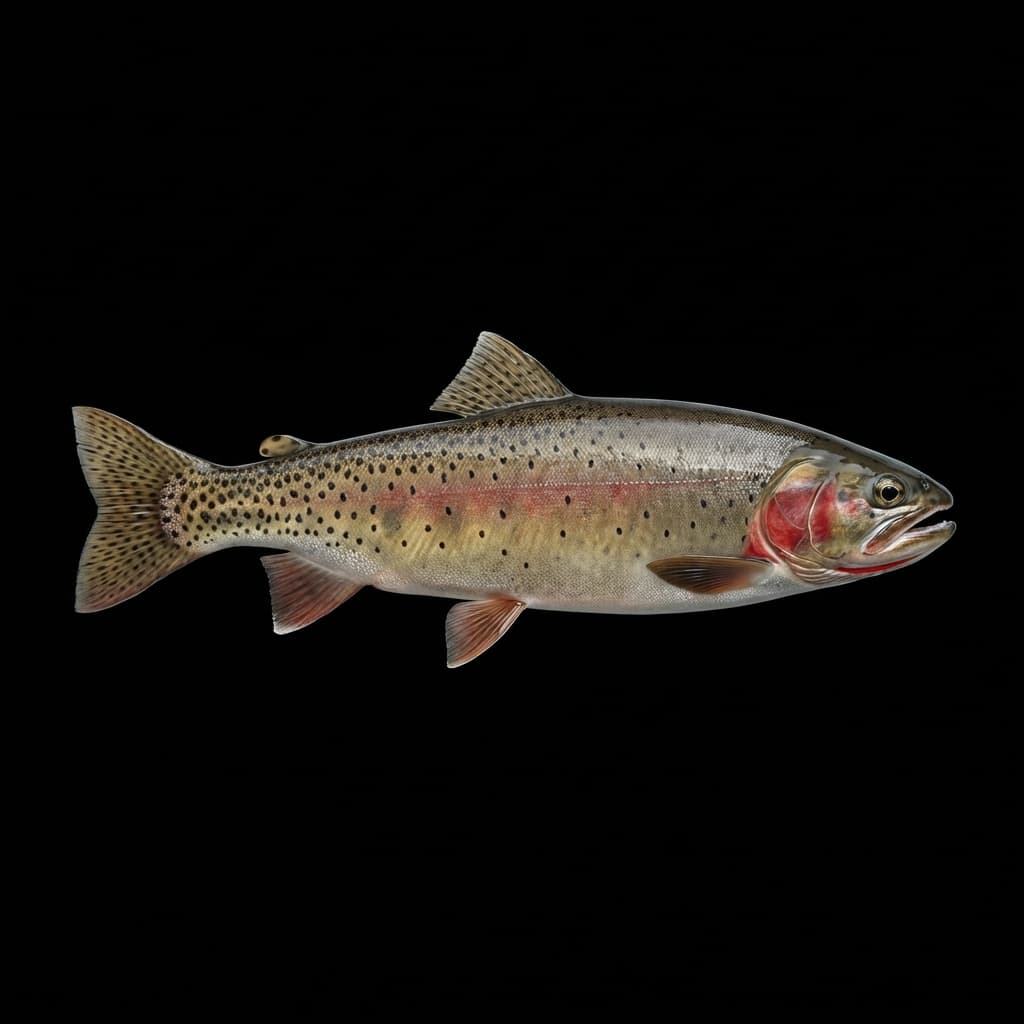
The Cutthroat Trout is a beautiful and highly sought-after freshwater gamefish native to the western United States. Known for the distinctive red or orange slash marks on their lower jaw, these trout inhabit a variety of environments, from high-mountain streams and rivers to large lakes and reservoirs. Anglers are drawn to Cutthroat Trout for their willingness to take a fly, their stunning coloration, and the scenic beauty of their native habitats. Whether you're wading a small stream in Montana or fishing a deep lake in Wyoming, the pursuit of Cutthroat Trout offers a unique and rewarding angling experience.
Fly fishing is the most popular and effective technique for catching Cutthroat Trout. Dry flies, such as Elk Hair Caddis, Adams, and Parachute Adams, are excellent choices for imitating hatching insects. Nymphs, like Pheasant Tails, Hare's Ears, and Copper Johns, are effective when fished subsurface. Streamers, such as Woolly Buggers and Muddler Minnows, can entice larger trout. Spin fishing with small spinners, spoons, and jigs can also be productive, especially in larger rivers and lakes. Use light tackle, such as a 4-6 weight fly rod or a light spinning rod, and be sure to use a fluorocarbon leader to minimize visibility in clear water.
Cutthroat Trout fishing is generally best during the warmer months, from late spring through early fall. As the snow melts and water temperatures rise, trout become more active and begin feeding more aggressively. Spring hatches can provide excellent dry fly fishing opportunities, while summer months offer consistent action with a variety of techniques. Fall can also be a productive time, as trout begin to feed heavily in preparation for winter. In areas like Montana and Wyoming, the months of June through September are typically the prime time for Cutthroat Trout fishing.
For beginner Cutthroat Trout anglers, start by targeting smaller streams and rivers, where the fish are often more abundant and less selective. Focus on reading the water and identifying areas where trout are likely to hold, such as behind rocks, in deep pools, and along undercut banks. Practice your casting and presentation, and be patient. Local fly shops and guides can provide valuable information on current conditions, fly patterns, and fishing techniques. Remember to always practice catch-and-release fishing to help conserve these valuable resources.
How to Catch Cutthroat Trout
Frequently Asked Questions
When is the best time to catch Cutthroat Trout?
Across the US, the best months for Cutthroat Trout are generally April, May, October, though timing shifts by state.
Where can you catch Cutthroat Trout in the US?
Cutthroat Trout is found in 10 states, including California, Colorado, Idaho, Montana, New York, Oregon. Pick a state to see local guides and regulations.
Is Cutthroat Trout a freshwater or saltwater fish?
Cutthroat Trout is a various species.