How to Catch Bluegill
Best places, best times, and expert guides for bluegill fishing.
Featured Bluegill Guides
Expert captains ready to take you on your next Bluegill adventure.
Get Excited Adventure Club
Boca Raton, Florida
Get Excited offers premier Boat & Yacht rentals and charters for South Florida including Boca Raton, Fort Lauderdale, Palm Beach, Miami, Key Biscayne, Deerfield Beach, and Sunny Isle.
Open Water Guide Service
Tiptonville, Tennessee
My name is Shane Walley and I am the head guide for Open Water Guide Service. I offer guided crappie and bluegill fishing trips on Reelfoot Lake in Northwest Tennessee.
Lake Conroe Fishing Guides
Lake Conroe fishing guides. Fishing trips for all areas of the Lake. Full day and half day fishing trips for bass, catfish, hybrid bass, crappie and bream.
Chesapeake Beach Charter Captains
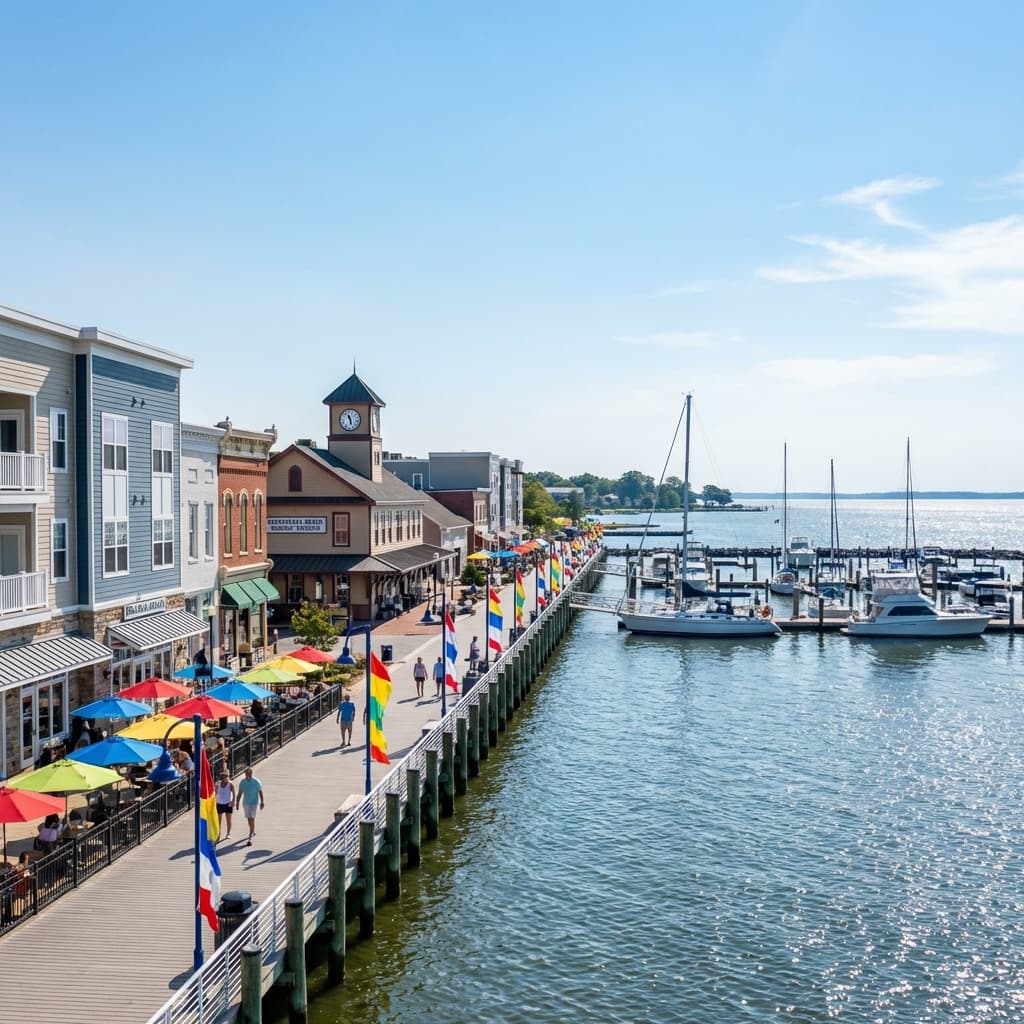
Exciting and FUN Chesapeake Beach charter fishing trips with Sunny Leigh Charters for many Chesapeake Bay fish species.
Plan a Bluegill Fishing Trip
Find the best times and places to catch Bluegill, and get matched with experienced guides.
Best Time to Catch Bluegill
Peak months for Bluegill fishing across the US.
Best Places to Catch Bluegill
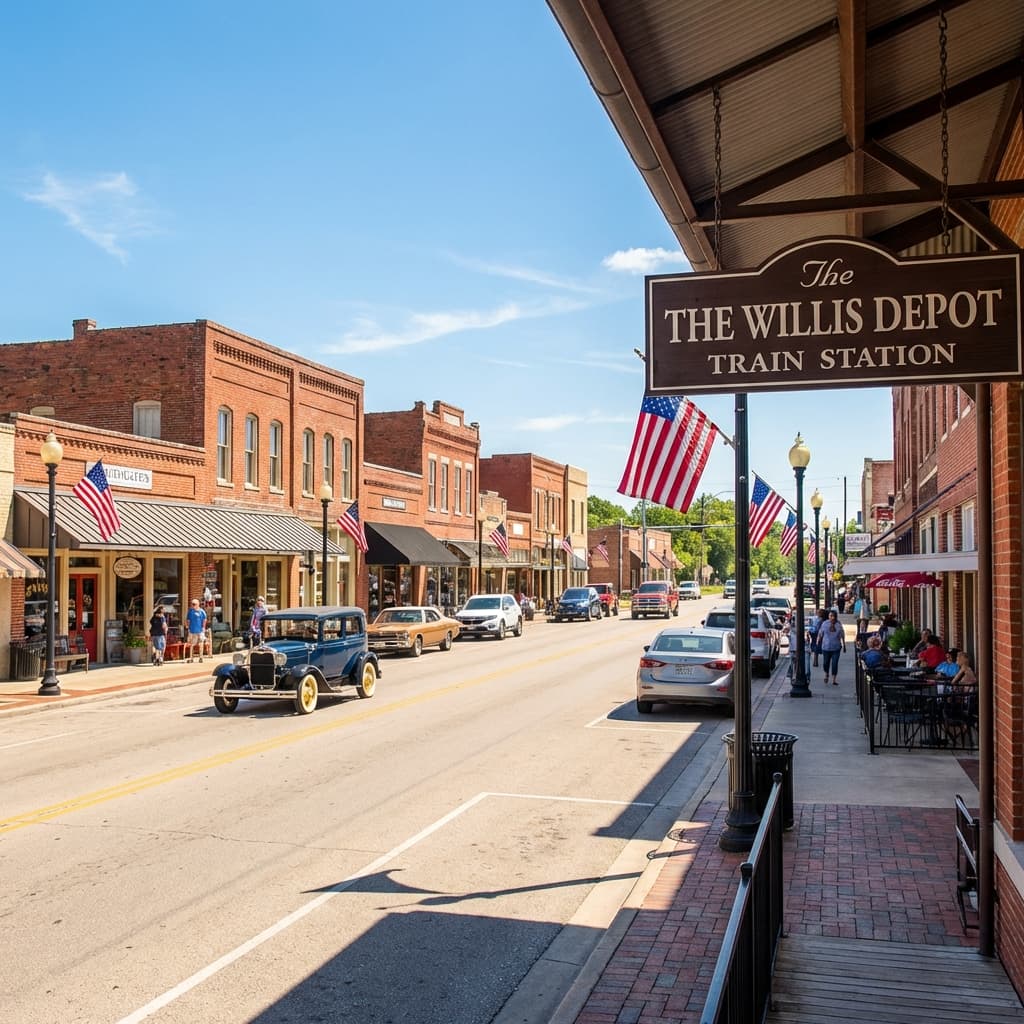
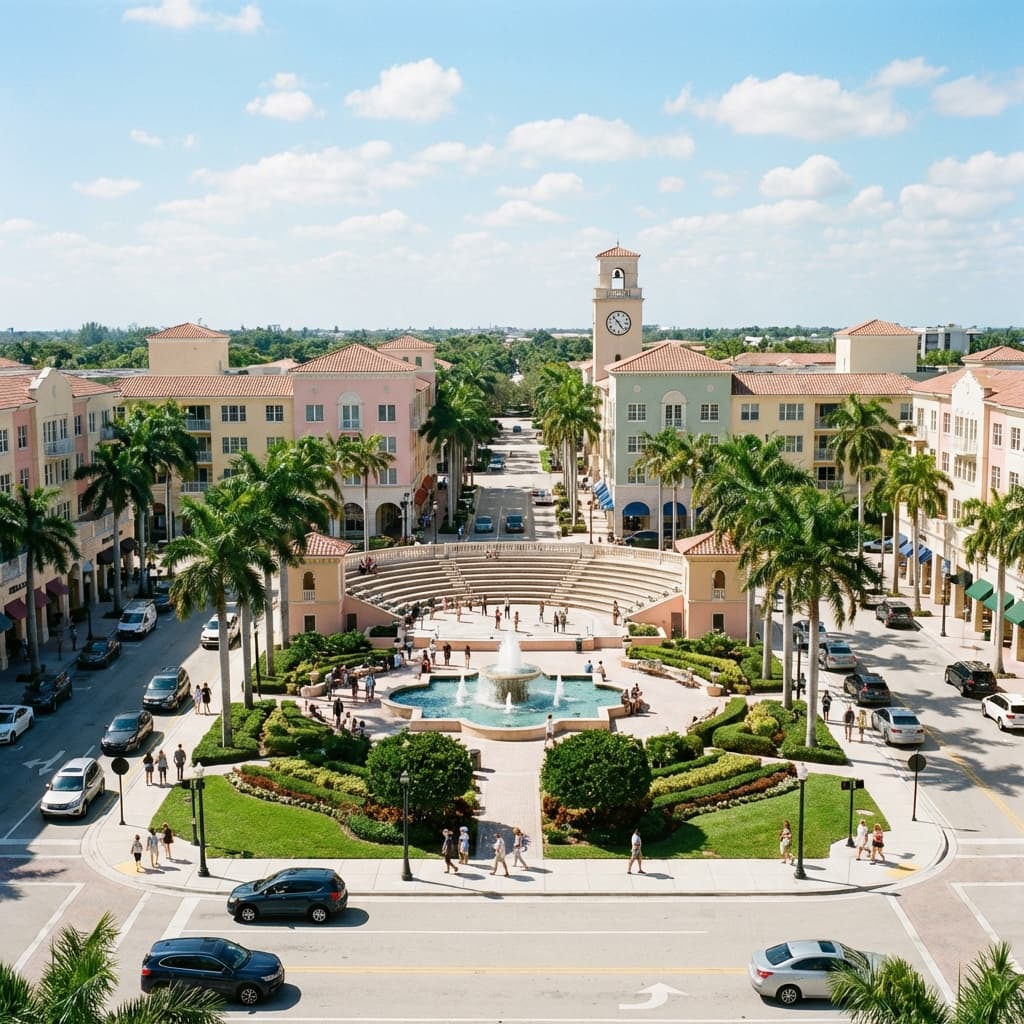
Top 6 cities ranked by guide availability and species data quality.
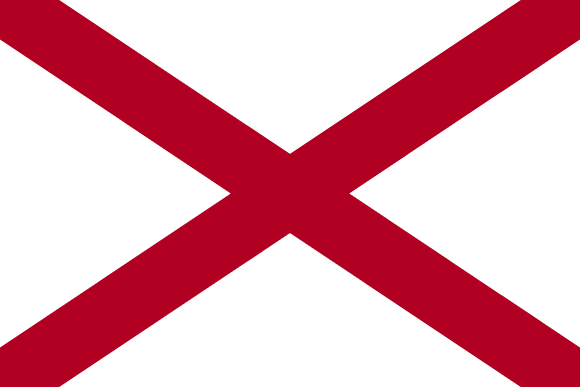
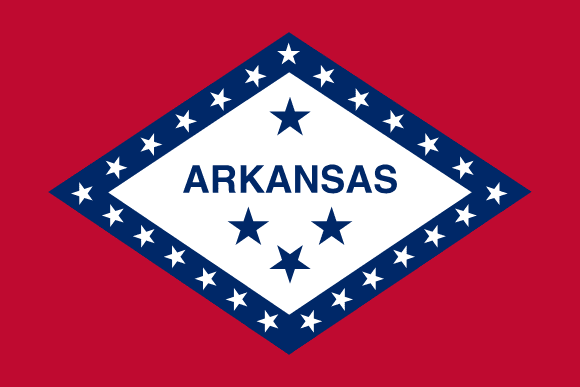
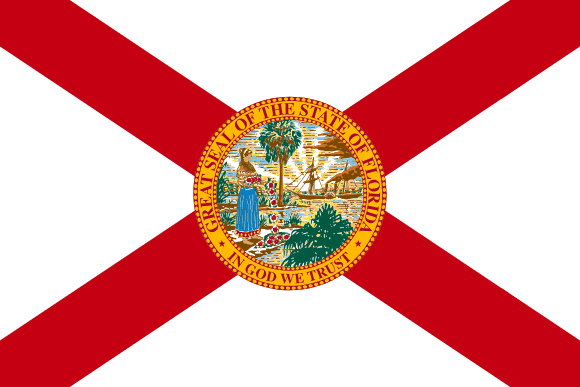
States Where Bluegill Are Found

Top Locations for Bluegill
Seasonal Activity Chart
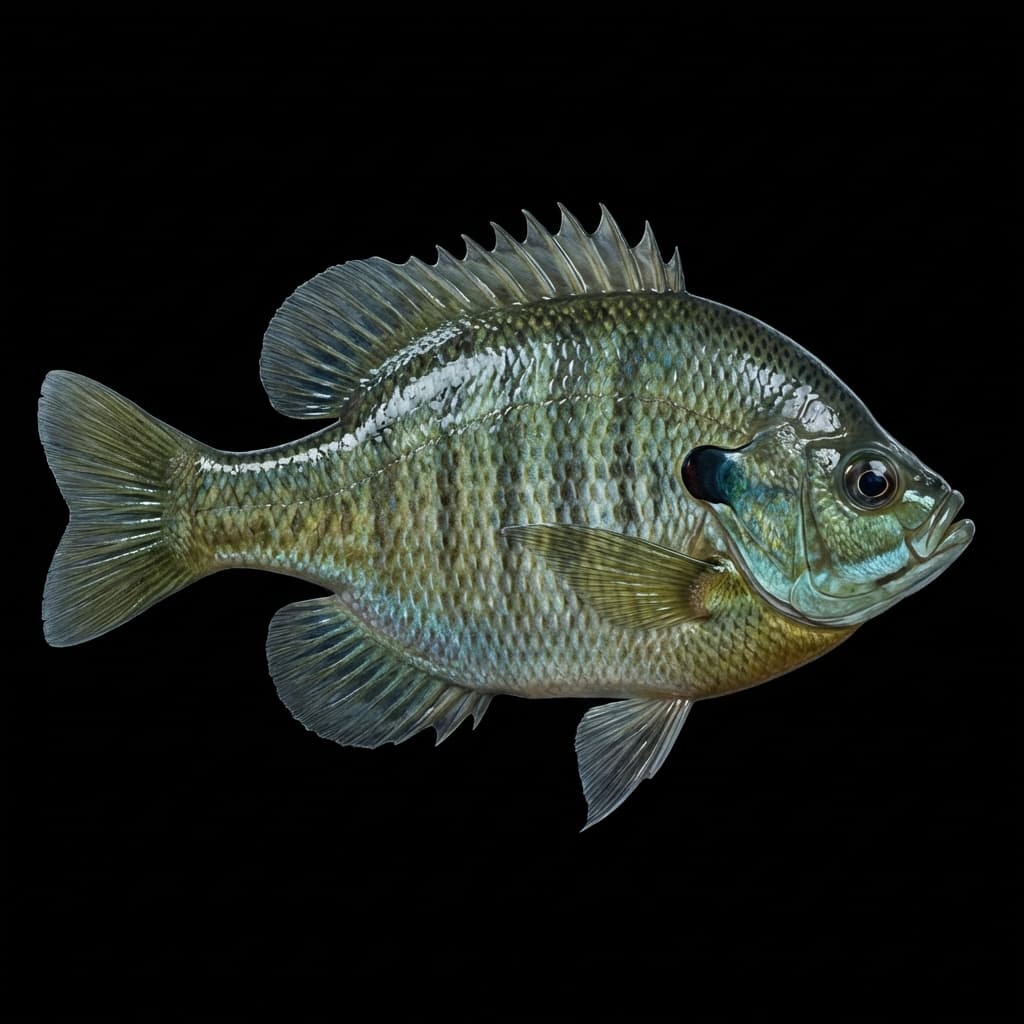
Bluegill
Lepomis macrochirus
Also known as: Bream, Sunny, Lepomis
The bluegill is a quintessential panfish, beloved by anglers of all ages for its accessibility, abundance, and tasty fillets. Easily identified by its vibrant colors and distinctive dark spot on its gill flap, the bluegill thrives in a variety of freshwater habitats, including lakes, ponds, rivers, and streams. They are particularly popular among beginner anglers and children due to their willingness to bite and relatively easy catchability.
Bluegill can be caught using a variety of techniques. Float fishing with a bobber and bait is a classic and effective method, especially for targeting fish in shallow water or around structure. Live bait such as worms, crickets, or mealworms are highly effective. Fly fishing with small nymphs, poppers, or dry flies can also be productive, particularly during the warmer months. Spin fishing with small spinners or jigs is another option for covering more water and targeting active fish. Ice fishing for bluegill is a popular winter activity in colder climates.
Bluegill fishing is generally best during the warmer months, from spring through fall. Spawning season, which typically occurs in late spring or early summer, can be a particularly productive time to target bluegill as they congregate in shallow areas to build nests. Look for shallow, weedy areas with sandy or gravel bottoms. The best time of day to fish for bluegill is usually early morning or late afternoon, when the fish are most active.
For those new to bluegill fishing, start by finding a local pond or lake with public access. Use a simple setup with a light rod and reel, a bobber, and a small hook baited with a worm. Look for areas with structure, such as docks, fallen trees, or weed beds, as these areas often hold bluegill. Popular bluegill destinations include Guntersville, Alabama, Kissimmee, Florida, and Tyler, Texas.
How to Catch Bluegill
Frequently Asked Questions
When is the best time to catch Bluegill?
Across the US, the best months for Bluegill are generally March, April, May, October, November, though timing shifts by state.
Where can you catch Bluegill in the US?
Bluegill is found in 11 states, including Alabama, Arkansas, Florida, Georgia, Kentucky, Louisiana. Pick a state to see local guides and regulations.
Is Bluegill a freshwater or saltwater fish?
Bluegill is a freshwater species. Look for it in lakes, rivers, and reservoirs.
How big does Bluegill get?
Typical Bluegill run about 1-3 lbs, 10-16 inches, though trophy fish exceed that.
What else is Bluegill called?
Bluegill (Lepomis macrochirus) is also known as Bream, Sunny, Lepomis.