How to Catch Arctic Grayling
Best places, best times, and expert guides for arctic grayling fishing.
Featured Arctic Grayling Guides
Expert captains ready to take you on your next Arctic Grayling adventure.
Plan a Arctic Grayling Fishing Trip
Find the best times and places to catch Arctic Grayling, and get matched with experienced guides.
Best Time to Catch Arctic Grayling
Peak months for Arctic Grayling fishing across the US.
Best Places to Catch Arctic Grayling
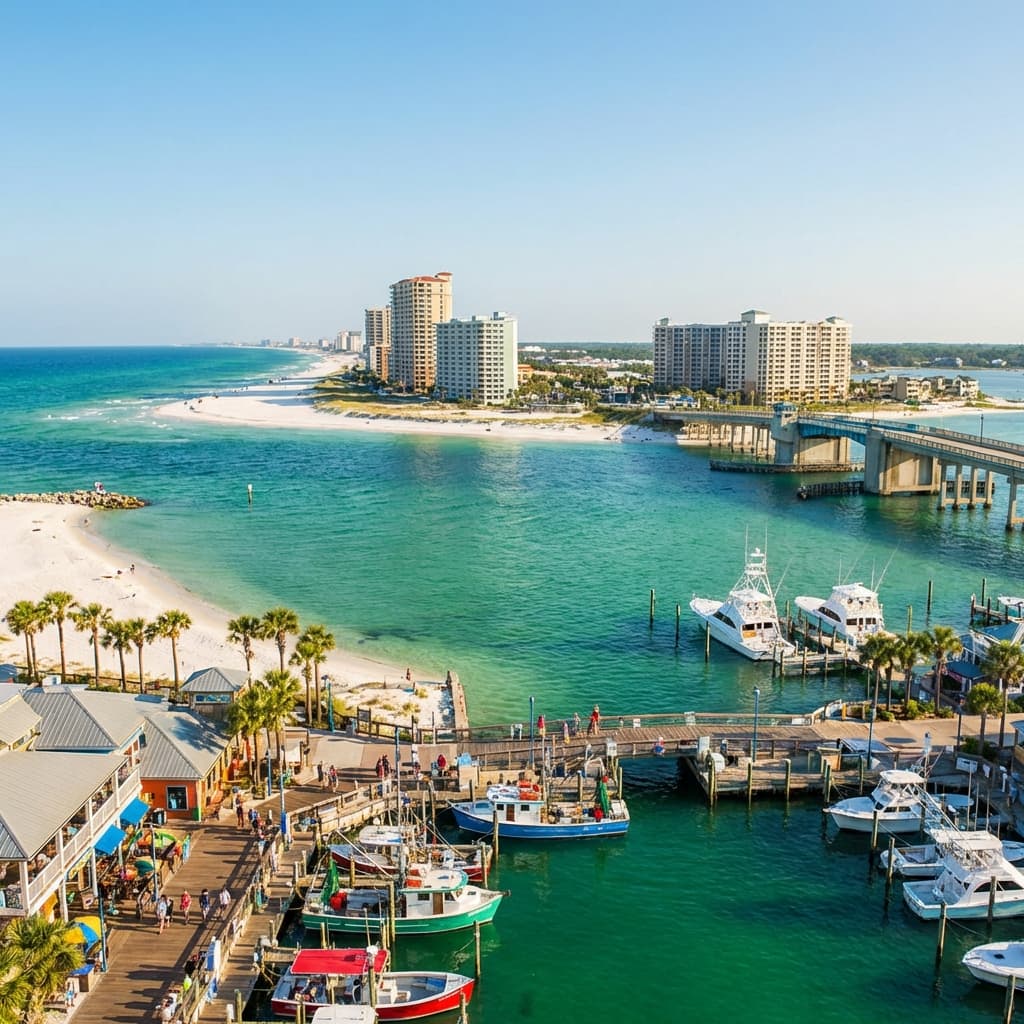
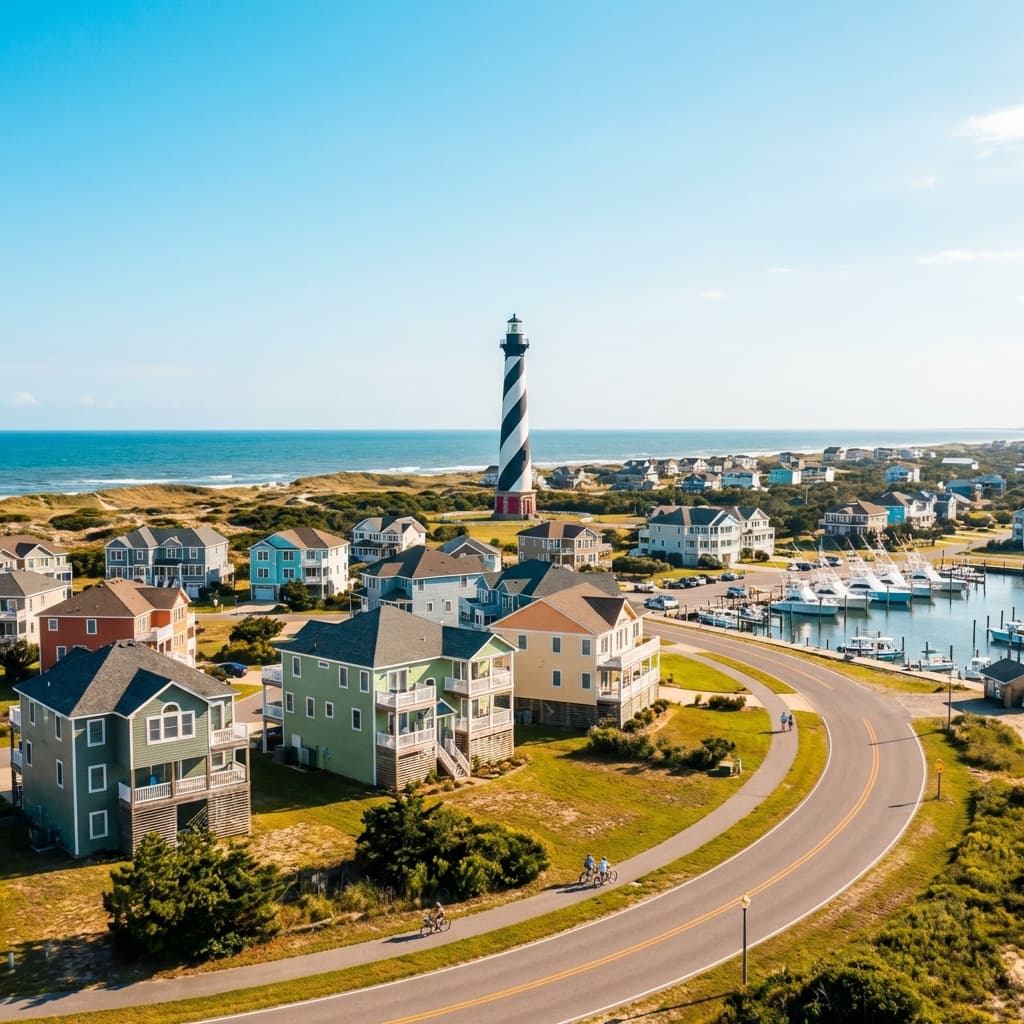
Top 6 cities ranked by guide availability and species data quality.


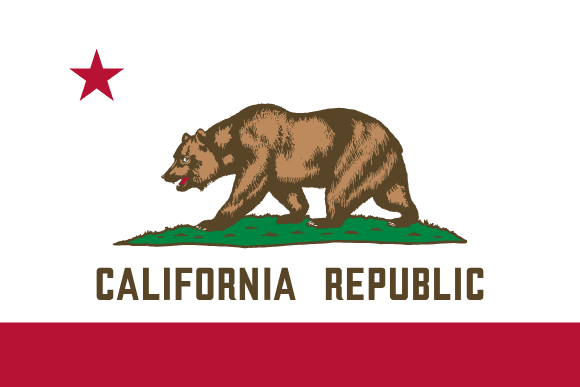
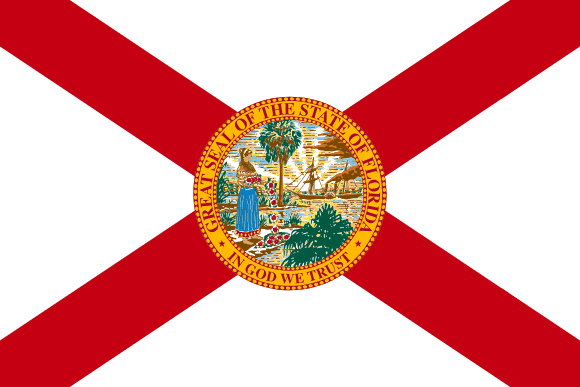
States Where Arctic Grayling Are Found



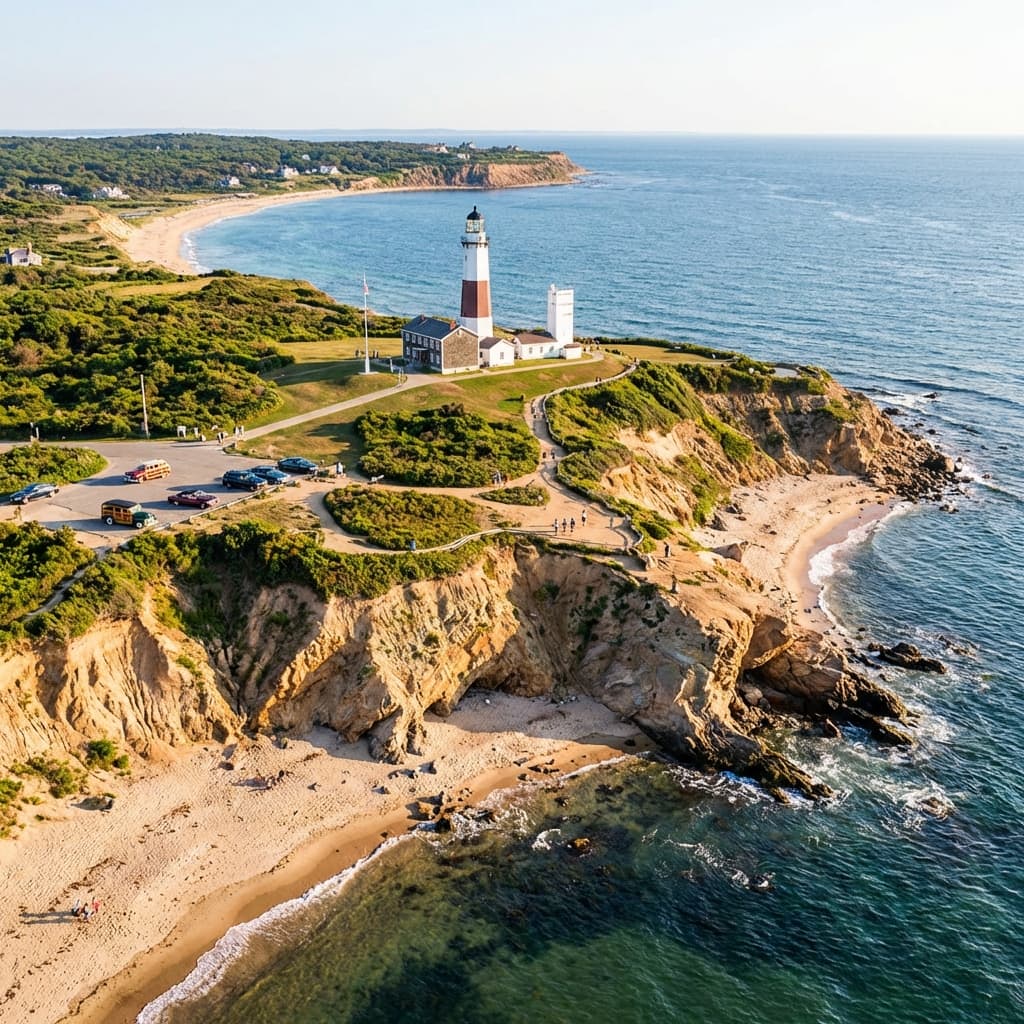
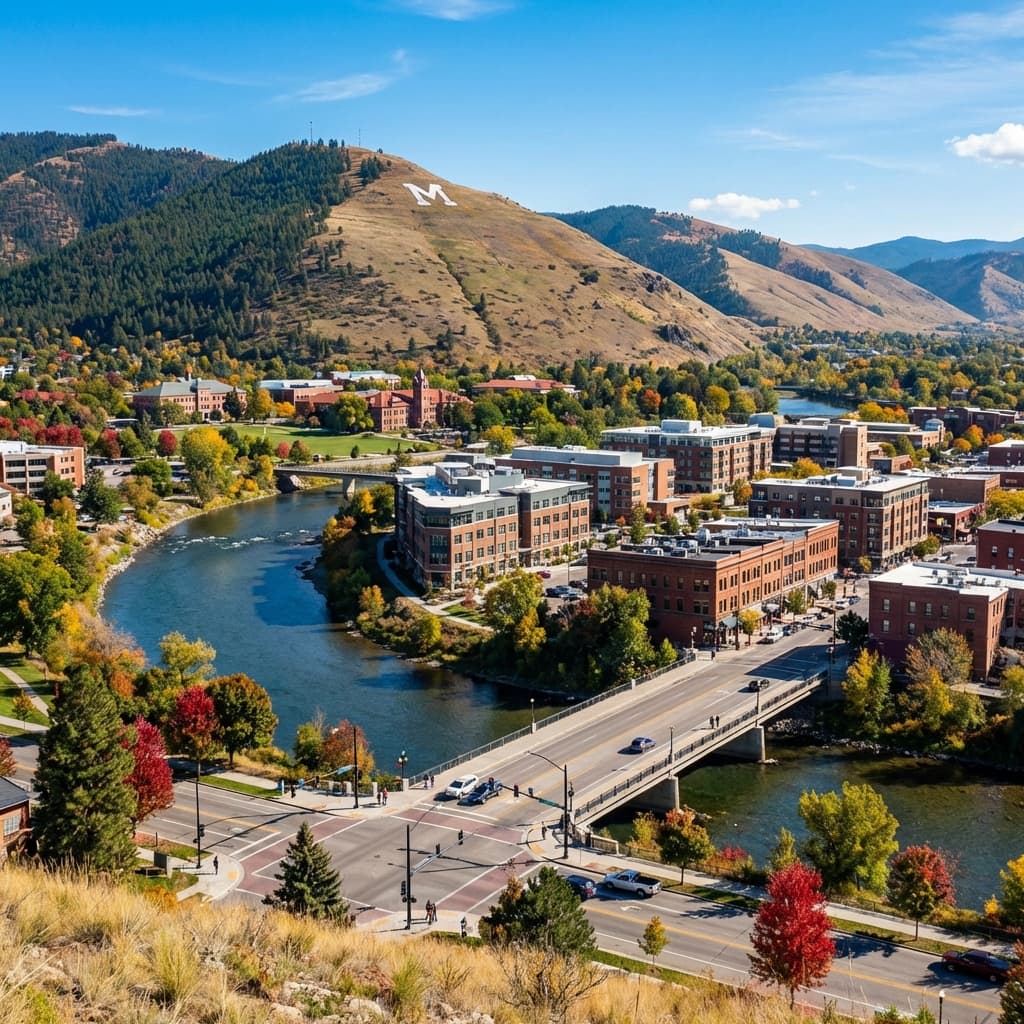
Top Locations for Arctic Grayling
Seasonal Activity Chart
Arctic Grayling
Species arctic_grayling
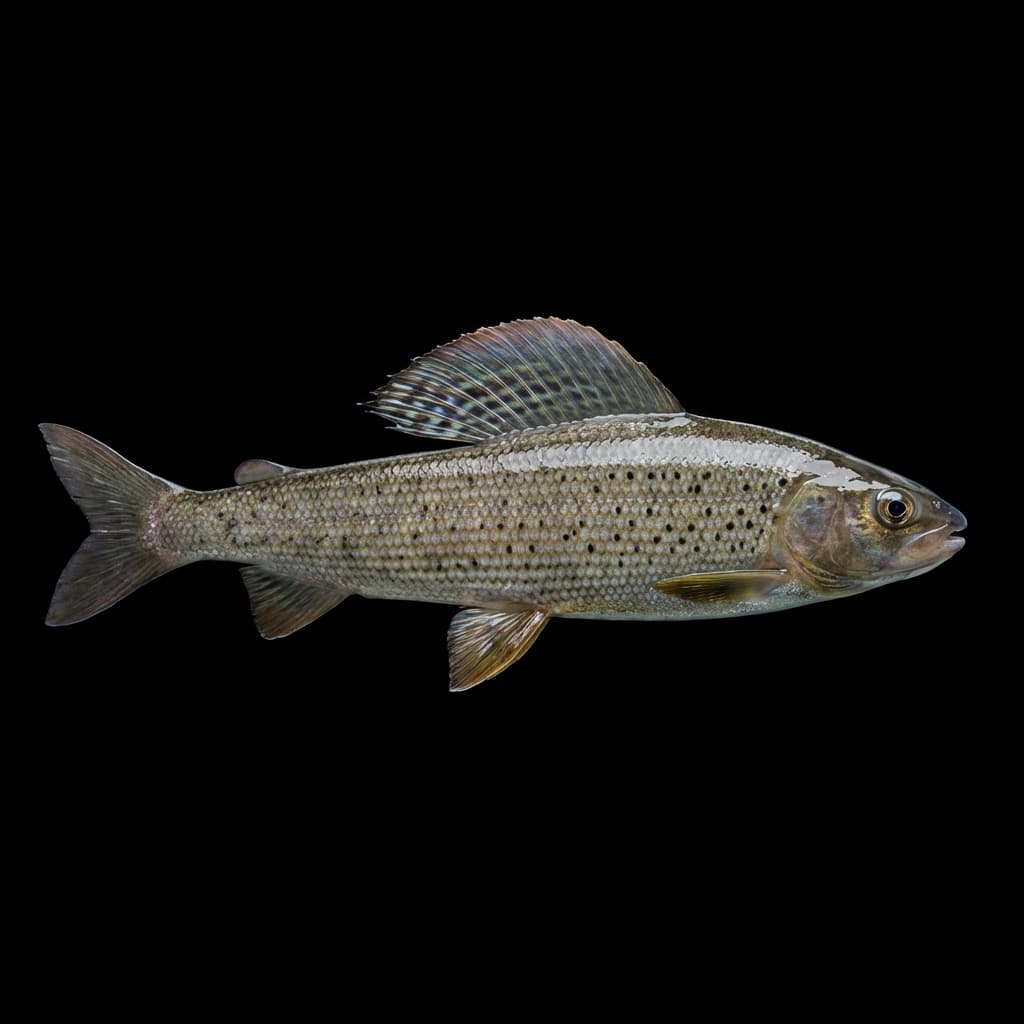
The Arctic Grayling is a stunning freshwater fish known for its iridescent colors and large, sail-like dorsal fin. These fish are highly prized by anglers for their beauty, sporting qualities, and the pristine environments they inhabit. Found in cold, clear rivers and lakes across northern North America, including Alaska, Montana, and parts of Canada, the Arctic Grayling offers a unique fishing experience. Anglers appreciate their willingness to take a variety of flies and lures, as well as their energetic fights. While the listing of top cities is incorrect (Arctic Grayling are not found in those areas), imagine instead the remote rivers of Alaska or the upper reaches of the Missouri River in Montana.
Effective techniques for catching Arctic Grayling include fly fishing with dry flies, nymphs, and streamers. A light-action fly rod (3-5 weight) is ideal for presenting delicate casts. Dry flies, such as Elk Hair Caddis and Adams, are particularly effective during insect hatches. Nymphs, like Hare's Ear and Pheasant Tail, can be used to target grayling feeding below the surface. Spin fishing with small spinners and spoons can also be productive, especially in deeper water. Focus on fishing near riffles, pools, and undercut banks where grayling are likely to hold. Arctic Grayling are not particularly line shy, but using fluorocarbon leader material in clear water can improve your presentation.
Arctic Grayling fishing is best during the summer months, from June through September, when the rivers are ice-free and the insect hatches are abundant. Water temperatures play a significant role in their activity levels, with the most active feeding occurring when the water is cool and well-oxygenated. Grayling are often found in areas with moderate current, where they can easily intercept drifting insects. Be aware of seasonal closures and regulations designed to protect spawning populations. Check local fishing reports and with the relevant fish and wildlife agencies for the most up-to-date information.
For beginners, focus on learning basic fly fishing techniques and identifying common insect hatches. Start with simple dry fly patterns and practice your casting accuracy. Pay attention to the water conditions and adjust your fly or lure accordingly. Remember to practice catch-and-release to help conserve these beautiful fish for future generations. Hiring a local guide can greatly increase your chances of success, especially in unfamiliar waters.
How to Catch Arctic Grayling
Frequently Asked Questions
When is the best time to catch Arctic Grayling?
Across the US, the best months for Arctic Grayling are generally May, June, July, though timing shifts by state.
Where can you catch Arctic Grayling in the US?
Arctic Grayling is found in 10 states, including California, Florida, Georgia, Louisiana, Massachusetts, New Jersey. Pick a state to see local guides and regulations.
Is Arctic Grayling a freshwater or saltwater fish?
Arctic Grayling is a various species.