How to Catch Ahi (Tuna)
Best places, best times, and expert guides for ahi (tuna) fishing.
Featured Ahi (Tuna) Guides
Expert captains ready to take you on your next Ahi (Tuna) adventure.
Epic Fishing Charters
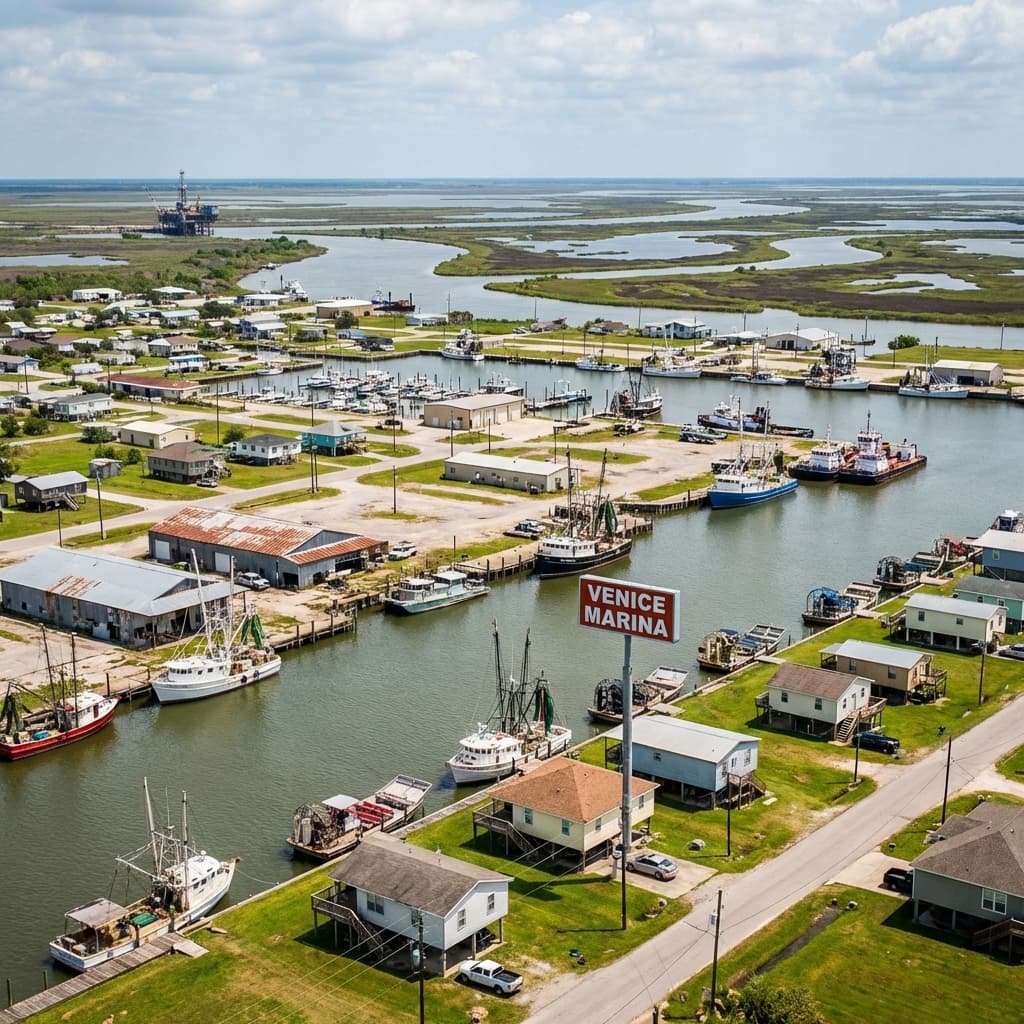
Golden Meadow, Louisiana
Ranked one of the top Louisiana Fishing Charters, Epic Fishing Charters offers packages to meet the needs of every angler. Come out and fish the Gulf of Mexico with Captain Austin Ourso. We offer both Inshore and Offshore Charters where you will catch everything from Speckled Trout and Redfish to Yellowfin Tuna and Marlin. The fishing experience is always epic from Grand Isle to Venice.
Ke Nui Charters
Haleiwa, Hawaii
Haleiwa, North Shore Sport Fishing, Nicest Boat, Oahu Sport Fishing, Most Luxurious Boat, Marlin, Mahi Mahi, Tuna, Ahi, Whale watching, Sunset cruise, Fish
Fin Alley Fishing Charters
Hampton Bays, New York
Fin Alley is an offshore fishing charter boat in Long Island, NY that targets bluefin tuna, yellowfin tuna, big eye tuna, albacore, mahi, and marlin.
Ez Pickens Sportfsihing
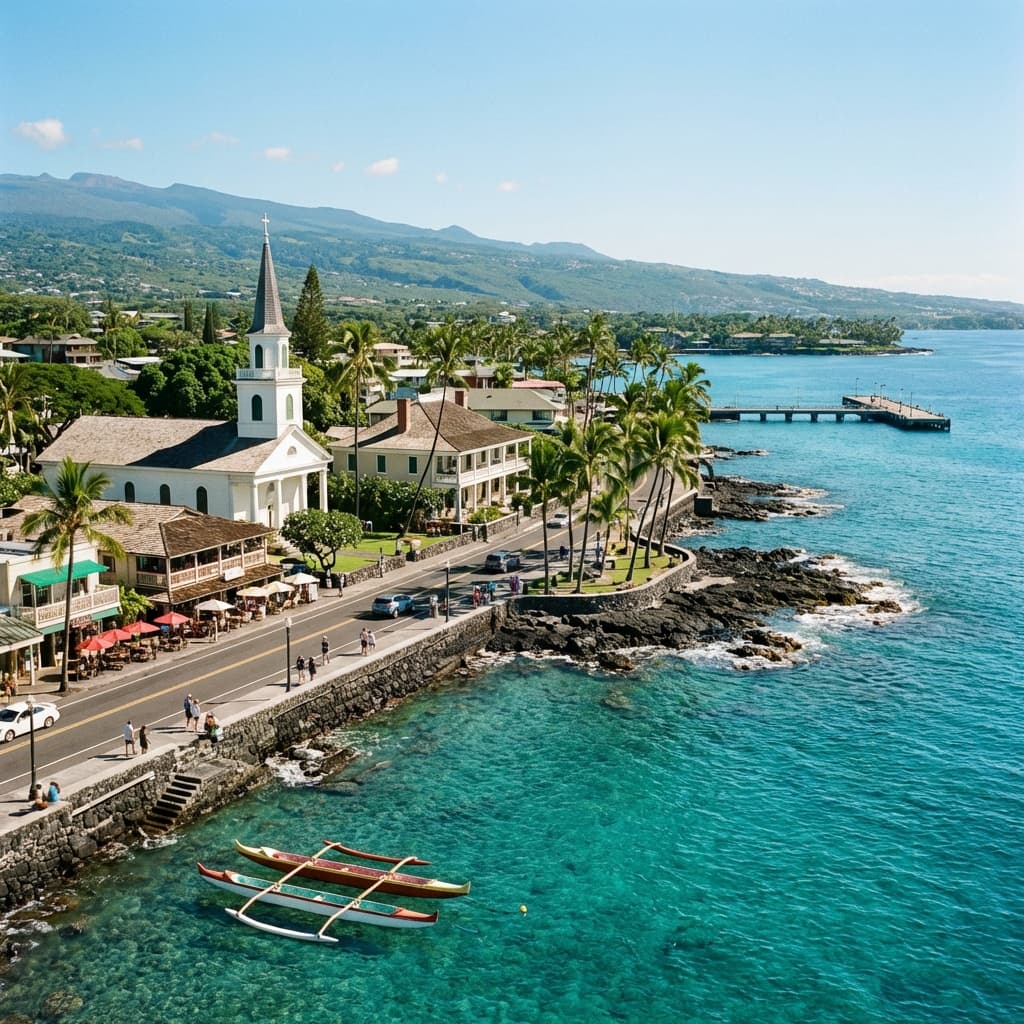
Kona Deep Sea Fishing Charter on a 54' Hatteras. Big game fishing for blue marlin, Spearfish, ahi tuna and mahi-mahi in Kona, Hawaii
Plan a Ahi (Tuna) Fishing Trip
Find the best times and places to catch Ahi (Tuna), and get matched with experienced guides.
Best Time to Catch Ahi (Tuna)
Peak months for Ahi (Tuna) fishing across the US.
Best Places to Catch Ahi (Tuna)
Top 6 cities ranked by guide availability and species data quality.

States Where Ahi (Tuna) Are Found
Top Locations for Ahi (Tuna)
Seasonal Activity Chart
Ahi (Tuna)
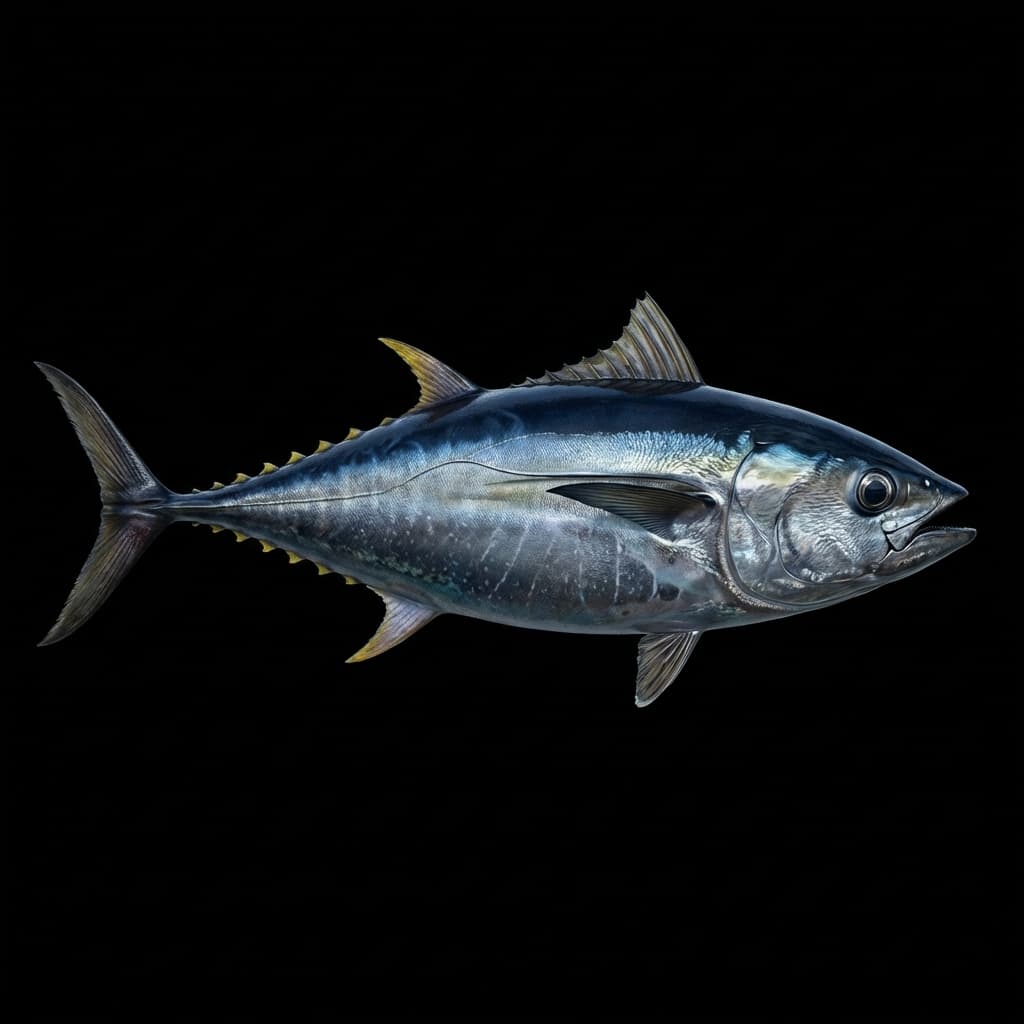
Thunnus albacares
Also known as: Yellowfin Tuna, Ahi
Ahi, or Yellowfin Tuna, are prized gamefish sought after by anglers for their impressive size, incredible speed, and exceptional fighting ability. Found in tropical and subtropical waters worldwide, including off the coasts of the United States, these tuna are a true test of skill and endurance. Their delicious meat also makes them a highly desirable catch. Targeting Ahi offers a rewarding experience for those seeking a challenging and memorable offshore fishing adventure.
Effective techniques for catching Ahi include trolling, chunking, live bait fishing, and jigging. Trolling with artificial lures such as skirted trolling lures, diving plugs, and spreader bars is a popular method for covering large areas and attracting tuna from a distance. Chunking involves drifting with cut bait, such as sardines or mackerel, to create a scent trail that leads tuna to your boat. Live bait fishing with small tuna, mackerel, or squid can also be highly effective when tuna are actively feeding near the surface. Jigging with heavy metal jigs is another productive technique, especially when targeting tuna holding deep in the water column. When selecting tackle, use a heavy-duty conventional rod and reel combo with the capacity to hold several hundred yards of 80-130 pound test line. A fluorocarbon leader of 100-200 pound test is recommended to withstand the tuna's sharp teeth and powerful runs.
Ahi fishing is generally best during the warmer months, from late spring through early fall. Tuna are often more active when water temperatures are stable and baitfish are abundant. Look for areas with temperature breaks, current edges, and underwater structure, as these areas tend to attract tuna. Keep an eye on weather patterns and sea conditions, as rough seas can make it difficult to locate and target tuna effectively. Early morning and late afternoon hours are often productive times to fish, as tuna may be more active during these periods.
If you're new to Ahi fishing, consider hiring a reputable charter boat or fishing guide with experience targeting tuna in your area. They can provide valuable insights into the best spots, techniques, and tackle for catching Ahi. Pay close attention to the advice of experienced anglers and be prepared for a long and challenging fight when you hook into a tuna. Remember to use proper fish handling techniques to ensure the quality of your catch and to practice responsible fishing practices to help conserve tuna populations for future generations.
How to Catch Ahi (Tuna)
Frequently Asked Questions
When is the best time to catch Ahi (Tuna)?
Across the US, the best months for Ahi (Tuna) are generally May, June, July, August, September, October, though timing shifts by state.
Where can you catch Ahi (Tuna) in the US?
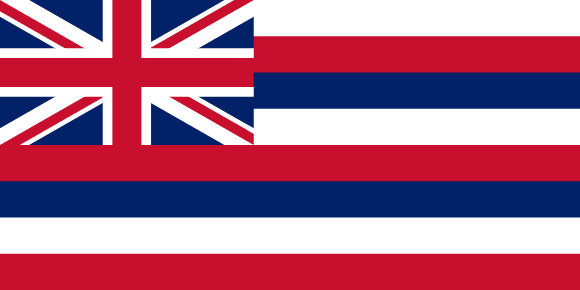
Ahi (Tuna) is found in 1 state: Hawaii. Pick a state to see local guides and regulations.
Is Ahi (Tuna) a freshwater or saltwater fish?
Ahi (Tuna) is a saltwater species. Target it in bays, inlets, and nearshore or offshore waters.
What else is Ahi (Tuna) called?
Ahi (Tuna) (Thunnus albacares) is also known as Yellowfin Tuna, Ahi.